
Last updated November 17, 2026
 Home additions & ADU
 Kitchen remodeling
 Bathroom remodeling
 Roofing
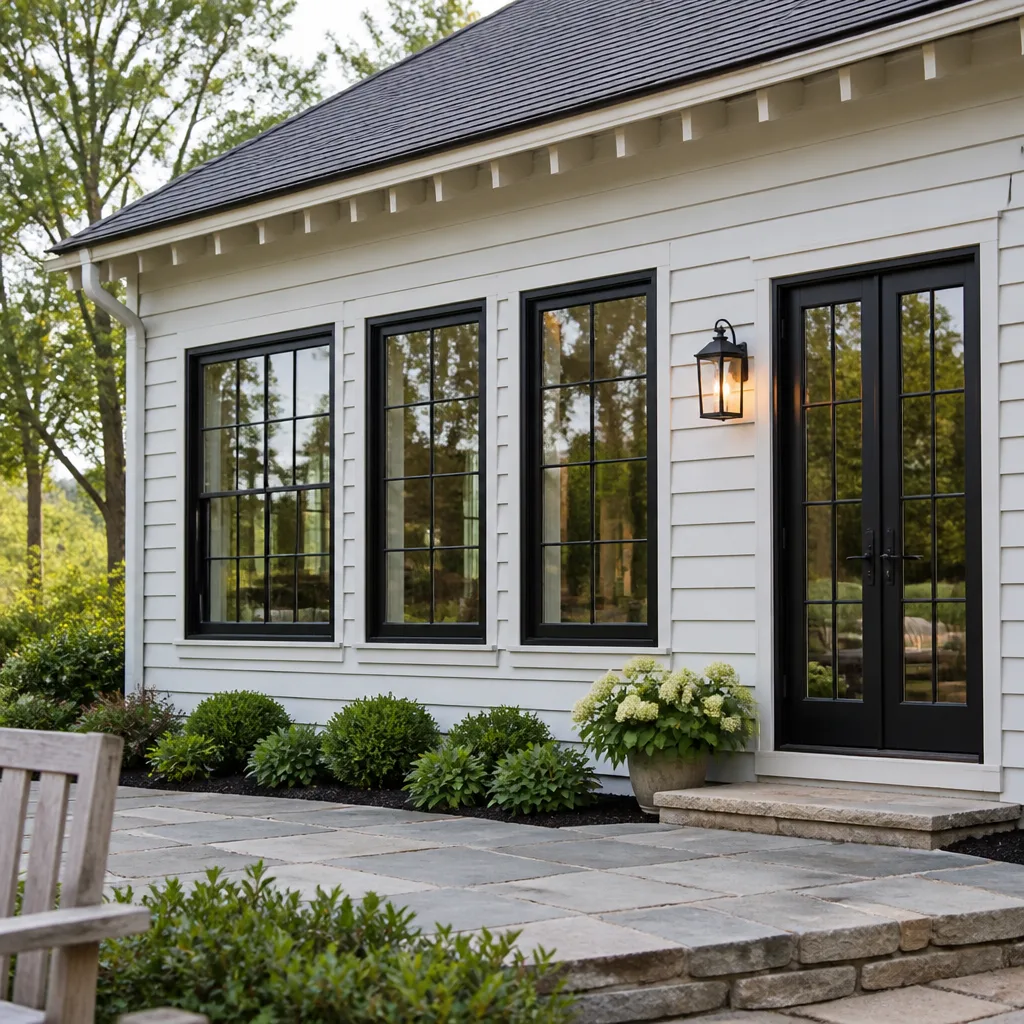 Windows & doors
 Driveway & pavers
 Fence
Free written scope consultation - allowances, timeline, and change-order rules on paper before a single trade is scheduled
Construction Emergency Preparedness Guide for Westminster Homes
Most homeowners we talk to in Westminster have thought hard about the dramatic emergencies: the earthquake kit is in the garage, the flashlights work, the water bottles are rotated. And then we ask where the main water shutoff is, and the room goes quiet. Or we ask what their roofing warranty actually covers, or who they’d call at 9 PM on a Sunday when a supply line fails inside a slab. That gap is where real damage happens. Home emergency readiness is roughly 80% documentation and 20% supplies, and most households have it backwards. This guide walks through what to record before anything goes wrong, how to respond in the first 24 hours of a construction emergency, what’s specific to Westminster’s housing stock and weather, and how to vet a contractor when you’re under pressure and every van in the county is knocking.
Quick Answer
Construction emergency preparedness in Westminster comes down to three things: a documented home file (permit records, warranty documents, shutoff locations, insurance details, contractor contacts), a safe assessment routine after storm damage, and a short list of vetted contractors you’ve already checked out before you need them. Most costly emergency outcomes trace back to missing documentation or a wrong first action in the first 24 hours, not to the emergency itself. Denali Contractors publishes this guide so homeowners can close that gap in an afternoon, not after a roofline fails during a multi-day rain event.
Styles & brands we work with
- Kitchen remodeling
- Bathroom remodeling
- Home additions & ADU
- Roofing
- Windows & doors
- Driveway & pavers
- Fence
Table of Contents
- The Home Documentation Kit: What Westminster Homeowners Should Assemble
- The First 24 Hours of a Construction Emergency
- Assessing Post-Storm Roof and Exterior Damage Safely
- Westminster-Specific Risks Worth Planning For
- How to Vet a Contractor Under Pressure
- Protecting Your Insurance Claim: What to Document and What to Avoid
- The Annual Home Emergency Review: A One-Afternoon Checklist
The Home Documentation Kit: What Westminster Homeowners Should Assemble
The single most useful thing you can do for your home’s emergency readiness takes one afternoon and costs nothing. Build a single file – paper and digital, in two places – that holds everything a contractor, an insurer, or an adjuster would need on day one of an emergency. When a pipe bursts inside a slab or a wind event takes down a fence, the person who can produce records in an hour is in a completely different negotiating position than someone digging through a shoebox.
Here’s what the kit should contain:
- Permit records and inspection sign-offs for any prior work on the property – additions, roof replacement, window and door changes, hardscape. Your city building department keeps these; request copies now, not after a loss.
- Warranty documents for the roof, windows and doors, water heater, and any major appliances. Note what is manufacturer coverage versus installer workmanship, and what voids each.
- Utility shutoff locations – the main water shutoff, the gas meter valve, and the main electrical panel – each with a photo, a written description, and a note on what tool (if any) is needed to operate it.
- Insurance policy details: carrier, policy number, coverage limits, deductible, and the claims phone line. Include a note on whether your policy is replacement cost or actual cash value, because that single difference changes how much documentation matters.
- A vetted contractor contact list – roofing, plumbing, electrical, fencing, and general contracting – with the license status and insurance confirmation you checked before you ever needed them.
- A photo and video baseline of every room, the attic, the roofline from ground level, the fence line, and the driveway. Date-stamped. This becomes your “before” for any future claim.
We recommend storing the paper copy in a fire-resistant box and the digital copy in cloud storage you can reach from a phone. If you’re unsure what your property’s prior work history looks like, a full-scope contractor like Denali Contractors can help you reconstruct what exists and what needs updating – we handle interior and exterior scopes under one contract, so a single walkthrough covers more ground than three specialty calls.
The First 24 Hours of a Construction Emergency
The first day of a construction emergency sets the trajectory for everything after. The people who fare best are not the ones who act fastest – they’re the ones who act in the right order. These steps apply whether the emergency is water inside a slab, a wind-damaged roofline, or a fence down across a shared boundary.
- Make it safe, then stop. If there is water actively flowing, shut off the main. If there’s gas smell, leave the home and call your utility from outside. If there’s structural concern, do not enter. Protect people first; the building can wait an hour.
- Document before you clean up. Photos and video of everything, wide shots first, then close-ups. Any contractor or adjuster will tell you the same thing: the homeowner who cleans up before photographing has hurt their own claim. Keep damaged materials in place until they’ve been documented.
- Stop further damage without permanent repairs. Tarps, boarding, and temporary shoring protect the structure. Permanent work is a decision for after you have a written scope and a conversation with your insurer. Doing permanent work before documentation can complicate a claim.
- Call your insurer before you call a contractor. Open the claim, get a claim number, and ask what documentation they want and in what format. Some carriers want specific photo angles or contractor written estimates. Knowing that on day one saves a week later.
- Call a vetted contractor for a written scope. Not a verbal guess on the phone. A written, line-item scope of what failed, what needs repair, and what the temporary stabilization will protect. This document is what the adjuster reviews.
- Write down the timeline. When you noticed the problem, when you shut off water, when you called the insurer, when the contractor arrived. Timestamp everything. The timeline matters if the claim is ever questioned.
If the emergency involves the roofline, windows, or structural enclosure, call (833) 749-1562. We answer 24/7. A call outside dispatch hours is booked into the next opening, Sunday through Friday, 7am to 7pm. Denali Contractors handles roofing, windows and doors, fencing, and interior work under one contract, which means the temporary protection and the permanent repair come from one written scope rather than a handoff between vendors.
Assessing Post-Storm Roof and Exterior Damage Safely
After a storm event in Westminster, the instinct is to walk the property and look up. That’s fine from the ground. It’s not fine on the roof. Height work and steep-roof assessment are a genuine safety line – more homeowners are hurt checking a roofline than are hurt by the roofline itself. The right approach is a ground-level assessment with a camera and binoculars, documented carefully, followed by a professional inspection for anything that isn’t obviously cosmetic.
Here’s what to look at from the ground, in order:
- The roofline silhouette. Missing, lifted, or visibly displaced shingles or tiles. On a GAF, Owens Corning, or CertainTeed asphalt roof, granule loss in gutters and downspouts after a wind event is a signal to look closer.
- Gutters and downspouts. Sagging or detached sections often indicate the fascia behind them is compromised. Water staining at the gutter line points to overflow or a failing edge detail.
- The stucco and exterior walls. Cracks that follow a straight line, gaps at window and door penetrations, or hollow-sounding areas (tap with a broom handle from the ground, never poke with anything sharp) all warrant inspection. Stucco damage after a rare cold snap can appear days after the temperature returns to normal.
- The fence line. Post-to-panel attachment, and whether any section is leaning on a neighbor’s property. A fence that lands on the other side of the property line becomes a shared issue, and the sooner both households have it documented, the calmer the conversation.
- The interior ceiling and walls. Water staining on ceilings, bubbling paint, or moisture smells indicate a roof or window failure that isn’t visible from outside.
- The driveway and hardscape. Settled or displaced pavers, especially along edges and near downspout discharge points. A settled section can become a trip hazard and a drainage problem at the same time.
For anything that isn’t obviously intact, get a professional inspection. Our technicians have up to 9 years of experience assessing storm damage on the types of homes common across Westminster, and we can put the assessment in writing with photos annotated for your insurer. If your windows and doors took a hit and need replacing, our Denali Contractors window and door line carries PGT, CGI, ES Windows, Therma-Tru, and ECO Window Systems, so you have material options after the storm rather than a single take-it-or-leave-it spec.
Westminster-Specific Risks Worth Planning For
The emergencies that actually cost Westminster homeowners the most are not the ones on the news. In our experience walking properties across the city, the pattern is mundane: a roof that fails during a three-day rain event after months of dry weather, a water line buried inside a slab foundation, an aging cooling system that gives out during the first real heat wave, and a shared fence that comes down in a wind event. Each is predictable, and each has a prep step.
Slab foundation water line failures. Much of Westminster’s housing stock is built on slab foundations, which means the water supply and drain lines run under or through the concrete rather than in a basement or crawlspace. When a line under the slab develops a leak, the first symptom is often an unexplained bump in the water bill or a warm spot on the floor, not a visible puddle. Know where your main shutoff is, and know how to read your meter: a slow overnight reading with all fixtures off points to a leak that should be investigated before it undermines floor coverings or the slab itself.
Aging cooling systems in peak summer. Mechanical systems have a service life, and Westminster’s summers push them hard. If your system is at the end of its life, plan its replacement on your schedule, not on the 100-degree day when it quits and every HVAC company in the region is booked out. A scheduled replacement is a construction decision. An emergency replacement is a scramble.
Stucco damage after rare cold events. Westminster’s winters are mild, but cold snaps happen. Stucco and its associated sealants can develop hairline cracks at penetrations and corners when temperatures swing. These cracks are usually cosmetic; left unchecked over seasons, they let water behind the cladding. A brief exterior walkthrough after a cold snap, with photos, catches them early.
Wind events and shared fences. A wind storm that takes down a fence often does it along a shared property line, which brings a neighbor into the conversation about repair and cost. Knowing the boundary line in advance, and having a fence contractor already vetted, turns a tense negotiation into a scheduled repair. Our fence installation scope covers repair and replacement, and we handle the neighbor-facing conversation about boundary and access as part of a written scope.
Driveway and hardscape drainage. Heavy rain in a short window can overwhelm drainage that’s fine the rest of the year. Inspect paver driveways for settled areas and confirm downspouts discharge away from the foundation. If you’re replacing a failing driveway, our driveway & pavers scope includes Belgard, Unilock, Techo-Bloc, Tremron, and Cambridge Pavers, with drainage designed in from the start rather than retrofitted after the first flood.
Additions and ADUs during construction. If you have a project underway and weather interrupts, the temporary protection stage matters. Our home additions & ADU scope includes site-built and prefab ADU systems through Abodu, Dvele, Mighty Buildings, and Boxabl, and every project runs with a documented weather-protection plan so the unfinished phase is protected as carefully as the finished one.
How to Vet a Contractor Under Pressure
After every significant weather event, and especially after a regional one that draws media attention, contractors from outside the area arrive in neighborhoods with clipboards and urgency. Some are legitimate. Many are not. Under pressure, the rush to get help can override the vetting instinct, and that’s exactly what unlicensed operators count on. The red flags are specific and consistent.
Watch for these signals:
- No written license or insurance documentation on request. A licensed contractor in California can produce license status and proof of insurance on the spot. Excuses, delays, or “our office will send it” from a door-to-door operator are the first sign to walk away.
- No physical address, or an out-of-area one that doesn’t match the work. Legitimate contractors have an established presence. A truck with an out-of-county number and no local history is worth a second look.
- Pressure to sign today, with a “today only” price. Real contractors do not need same-hour decisions on anything but temporary protection. If the pressure is on the signature, the pressure is the point.
- Large deposit before any scope. California limits how much a contractor can collect up front. A request for a large cash deposit before a written scope exists is a hard stop.
- No written, line-item scope. Verbal estimates that don’t specify materials, quantities, or the specific repair are unusable for insurance purposes and unenforceable if the work goes wrong.
- Willingness to “handle the insurance for you.” You work with your insurer; the contractor works with you. Anyone offering to negotiate your claim or handle the paperwork directly is a red flag. Denali Contractors will work with your insurer on documentation and scope – we do not speak for you on your claim.
Do the vetting before the emergency. A vetted contact list assembled in calm weather is worth more in a wind event than any badge on a truck. Ask for the license, verify it, check insurance, and confirm the scope in writing. Our technicians are experienced across the seven service lines we cover, and our written line-item estimates include materials, labor, and permit responsibilities, so there’s no mystery in the number.
Protecting Your Insurance Claim: What to Document and What to Avoid
Most claims that go sideways do so because of what the homeowner did (or didn’t do) in the first day or two, not because of how the emergency started. Protecting your claim is mostly about restraint and record-keeping. On the documentation side, what your insurer needs is a clear “before and during” and a clean record of the “after.” On the avoidance side, there are a handful of actions that can complicate or void coverage and are worth knowing before you’re in the situation.
Document this, before cleanup:
- Wide photos and video of every affected area, then close-ups. Date stamps on.
- The damage itself, before anything is removed or cleaned. Every adjuster will ask for this.
- Receipts for any temporary protection materials (tarps, plywood, fans), which are usually reimbursable.
- A written scope from the contractor, itemized by line, with material brands specified. Your materials partners matter here: a scope that says “countertop: Silestone or Caesarstone” is more precise than one that says “countertop: replace.”
- Correspondence with your insurer, in writing where possible, and a call log for anything verbal.
Avoid these actions, which can jeopardize a claim:
- Making permanent repairs before the damage is documented. This is the single most common claim complication. Wait for the insurer’s direction on permanent work.
- Discarding damaged materials before an adjuster sees them.
- Signing a contract with a “we’ll handle your insurance” clause, or assigning your claim benefits to a contractor.
- Accepting a verbal scope and a verbal price. Get it in writing before work begins.
- Waiting to call your insurer while you “figure out what to do.” Open the claim early; you can always close it if it turns out to be minor.
If the damage involves a kitchen or bath, note every finish and fixture that needs replacement – brand and finish name where you can find them. A scope that specifies Kohler, Grohe, Moen, or Blanco makes the adjuster’s work easier and keeps the replacement aligned with what was there. Our kitchen and bath remodeling scopes carry Cambria, Caesarstone, and Silestone for countertops and Kohler, Grohe, Toto, Moen, Blanco, KraftMaid, and Wellborn for fixtures and cabinetry, which means the replacement spec matches the original spec in most cases.
The Annual Home Emergency Review: A One-Afternoon Checklist
The best time to be ready for an emergency is a quiet Sunday afternoon when nothing is happening. Once a year, walk the property with the documentation kit in hand and update what’s changed. The full review takes about two hours and is worth more than any emergency kit on a shelf.
- Test and photograph the shutoffs. Confirm the main water shutoff still operates (don’t leave it half-closed), the gas valve is accessible, and the main electrical panel is clear. Photograph each one for the file.
- Update the warranty and permit file. If you’ve had work done in the last year – roof, windows, fence, ADU, hardscape – add the permit record, inspection sign-offs, and warranty documents.
- Walk the roof from the ground. Binoculars and a phone camera. Look for displaced or lifted roofing material, granule loss in gutters, and staining at the fascia.
- Inspect the exterior walls and stucco. Photograph any new crack or gap at a window or door penetration, and note the location in the file.
- Check the fence line and driveway. Confirm fence posts and shared sections are upright and attached, and that no paver section has settled enough to become a trip hazard or a drainage problem.
- Confirm the contractor contacts. Re-verify license and insurance status for each contact on your list. Numbers change; license statuses change; the list is only useful if it’s current.
- Review your insurance policy. Note the deductible, coverage limits, and claims number. If you’ve made significant upgrades to the home in the last year, tell your insurer – coverage should match the home you now own.
If any step surfaces something that needs a professional opinion, get it quoted before the season that could turn it into an emergency. Free estimates are how we work, and a written line-item quote in calm weather is a calmer decision than one made in the middle of a rain event.
Common Mistakes to Avoid
- Cleaning up before documenting. The single most common claim mistake. Photograph the damage first, clean up after, and only after an adjuster or contractor has confirmed the documentation is sufficient.
- Not knowing where the main water shutoff is. In a slab-foundation home, water damage from a failed line can spread quickly. The few minutes spent finding the shutoff now save the hours spent finding it during a failure.
- Making permanent repairs before the insurer has weighed in. Temporary protection is fine and expected. Permanent repair before documentation can complicate a claim in ways that are hard to undo.
- Hiring the first unmarked truck that arrives after a storm. Vetting under pressure is exactly what unlicensed operators count on. A written scope and a verified license cost nothing and protect everything.
- Assuming a roof inspection isn’t needed because no water is inside yet. Water staining often appears days after a failure. A ground-level photo baseline after every major rain event gives you a comparison for later.
- Letting a shared fence dispute sit. Wind events expose boundary questions, and the longer a downed fence sits across a property line, the harder the neighbor conversation becomes. Document and address it early.
- Treating an aging cooling system as “fine until it breaks.” Replacements planned on your schedule cost less and cause less disruption than replacements made in the middle of a heat wave with the region’s crews booked out.
See the difference
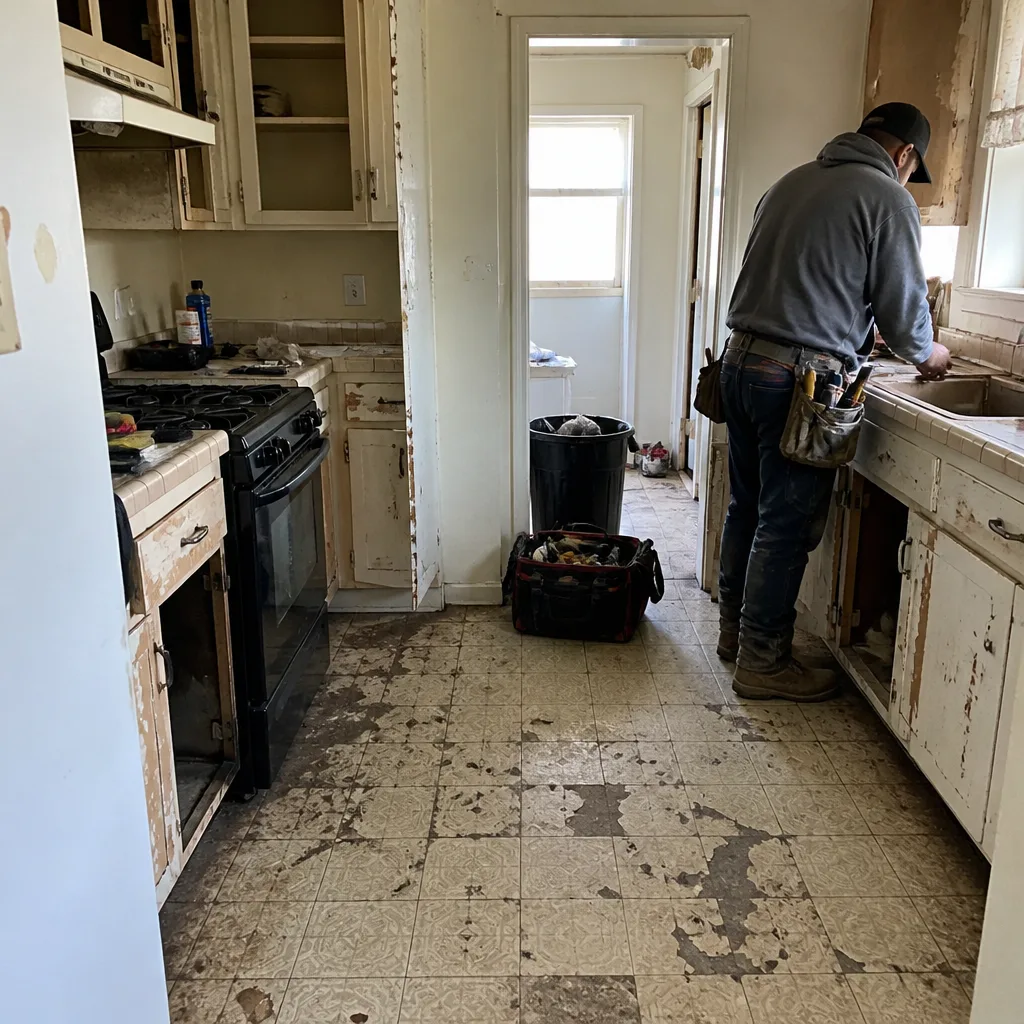 Before
 After
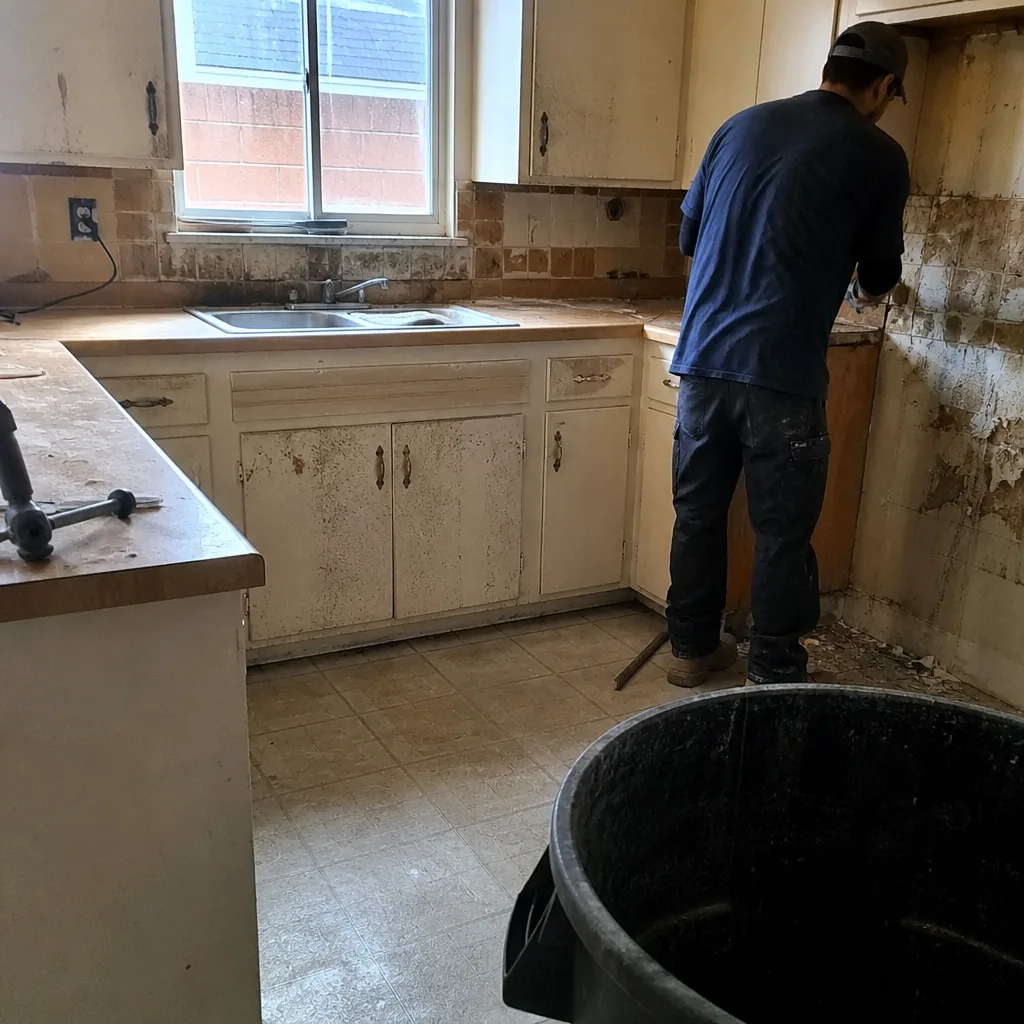 Before
 After
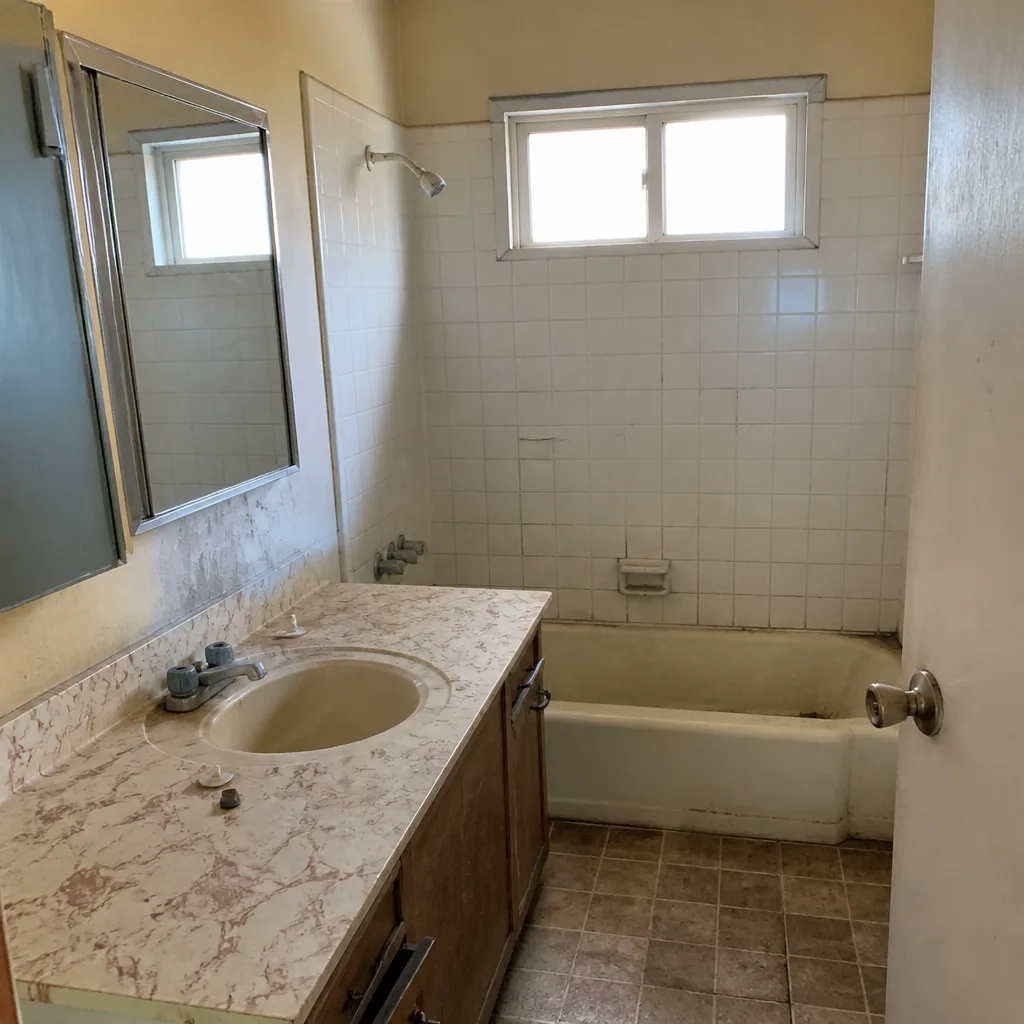 Before
 After
When to Call a Professional
Call a professional before you do anything that involves height work, the electrical panel, gas lines, or anything that could compromise the structure. Those four areas have real injury risk, and a homeowner with a ladder is not the person to assess them. Beyond safety, call a professional when the damage scope is unclear, when the repair crosses more than one trade (roofing plus stucco, windows plus framing), when the loss will be insured and you need a written line-item scope for an adjuster, and when the work involves permits. Also call before a problem becomes an emergency: a crack at a window penetration, a settled paver section, a fence post that’s pulling, a cooling system approaching end of life. Denali Contractors offers free estimates in Westminster – call (833) 749-1562. Our technicians have up to 9 years of experience, and we handle the full envelope – roof to kitchen – so a single written scope can cover what would otherwise be three vendor conversations.
Frequently Asked Questions
Build the documentation kit: permit records, warranty documents, utility shutoff locations with photos, insurance policy details, and a vetted contractor contact list. That one afternoon of work is what protects the home and the claim when something fails. Call (833) 749-1562 if you want a professional walkthrough to help identify what needs documenting; estimates are free.
Cost depends entirely on what failed and the scope of repair, which is why the written estimate sets the final price. Temporary protection (tarps, boarding) is far less than permanent repair, and a full roof or window replacement is a different category from a patched section. Call (833) 749-1562 for an exact quote; estimates are free and itemized by line.
Coverage depends on your policy and the cause of loss, so the answer is best confirmed by your insurer early. In general, sudden events like a slab water line failure, wind damage, or storm-related roof damage are more likely to be covered than damage from deferred maintenance. Call your insurer first, then get a written scope from a contractor to support the claim.
Yes. Permits are pulled for any repair or replacement that requires one under the applicable building codes, and inspections are scheduled and passed as part of the job. Our written estimates specify who is responsible for which permit so there’s no gap in the paperwork. Call (833) 749-1562 with the address and the scope, and we’ll include the permit responsibility in the estimate.
Document it immediately: photos of the downed section, the boundary line, and any damage to the neighbor’s property. Then talk to your neighbor before repairs begin, because a shared boundary fence may be a shared responsibility depending on the situation. Get a written repair scope so both households are working from the same numbers. Our fence installation scope covers repair and replacement, and we can include both sides of the property line in a single written scope.
Yes, and it’s usually the right first conversation. Most repairs after a weather event are straightforward, but an aging roof or a set of windows at end of life is worth evaluating as a replacement. A written assessment that lays out repair cost alongside replacement cost – with material options specified – is the right decision document. Call (833) 749-1562 for a free assessment; we can put it in writing so you have something to compare against your insurer’s scope.
The Bottom Line
Construction emergencies in Westminster are usually mundane: a roof that fails during a three-day rain, a water line inside a slab, a shared fence down in a wind event, a cooling system that quits in a heat wave. The damage is not the whole story. What folds into the outcome is what you did before: whether the shutoff was located, whether the warranty and permit records existed, whether a vetted contractor was already on the list. Do the documentation, keep a photo baseline, and vet the contractors before the pressure arrives. If a problem is already underway, call (833) 749-1562. We answer 24/7. Fast dispatch from 7am to 7pm, Sunday through Friday. Estimates are free and written line-item, and the written estimate sets the price.
Written by the team at Denali Contractors.