
Last updated November 17, 2026
 Home additions & ADU
 Kitchen remodeling
 Bathroom remodeling
 Roofing
 Windows & doors
 Driveway & pavers
 Fence
Free written scope consultation - allowances, timeline, and change-order rules on paper before a single trade is scheduled
Construction Warning Signs: A Westminster Homeowner’s Reference Guide
A hairline crack in stucco is not a cosmetic issue in a 1960s Westminster home. It’s the exterior envelope telling you that the wall framing or foundation below it has moved. The crack is never the problem; it’s the receipt for a problem that started somewhere else. Most Westminster homeowners wait until that receipt becomes a structural conversation, a subfloor replacement, or a roofing bill they didn’t plan for. This guide teaches you to read your house’s language early, specifically in the context of Westminster’s aging concrete-block and wood-frame housing stock. You’ll learn what to monitor, what to fix now, and when to call.
Quick Answer
The most reliable construction warning signs in a Westminster home are: hairline stucco cracks that widen over time (structural movement, not cosmetics), interior bubbling paint or soft drywall near bathrooms and kitchens (waterproofing failure), granule loss and ponding on low-slope roofs (membrane failure), and driveway cracks that track alongside soil settlement rather than surface wear. Any crack wider than a nickel, any soft spot in a floor or wall, and any water stain that reappears after a rain are call-a-contractor-now signals. Everything else is a monitor-and-photograph situation.
Styles & brands we work with
- Kitchen remodeling
- Bathroom remodeling
- Home additions & ADU
- Roofing
- Windows & doors
- Driveway & pavers
- Fence
Table of Contents
- How do you tell cosmetic stucco cracks from structural movement?
- What roof warning signs matter most on Westminster’s low-slope homes?
- What indoor moisture signals point to hidden waterproofing failure?
- What do driveway and hardscape cracks tell you about the ground beneath?
- Which interior warning signs should you never ignore?
- When is it a monitor-and-watch situation versus a call today situation?
- What makes Westminster’s older housing stock different?
- Common Mistakes to Avoid
How do you tell cosmetic stucco cracks from structural movement?
Stucco cracks are the number one thing Westminster homeowners misread. In a concrete-block home, stucco is bonded directly to masonry, and the masonry does not flex. In a wood-frame home, stucco sits on lath over sheathing, and the whole assembly moves with temperature and framing settlement. The two crack differently, and that difference is your first diagnostic tool.
Cosmetic cracks are usually shorter than 1/8 inch, run in random spider patterns, and appear where stucco is thinnest – around window corners, door frames, or at the top of a wall. They stop moving. Structural cracks are the opposite: they’re wider than a nickel, they run diagonally or vertically, they follow a straight line, and they widen over a period of months.
Here is a simple method to track whether a stucco crack is active:
- Clean the crack with a dry brush and let it dry fully.
- Take a close-up photo with a small ruler or coin held next to the widest point for scale.
- Mark the crack ends with a small pencil line and the date in a spot that won’t be painted over.
- Photograph the same spot every 60 days for six months.
- If the pencil marks separate by more than 1/16 inch or the crack extends past a mark, call a professional.
Stucco is also Westminster’s most common exterior finish on concrete-block homes from the 1950s through 1970s, which means most of the city’s housing stock was finished with a rigid exterior over a rigid substrate. That combination is durable but unforgiving. When the ground moves or framing shifts, stucco doesn’t stretch – it cracks. And once a stucco crack opens, moisture enters behind the finish and can stay trapped against the framing for years. A widening crack at a wall-to-wall or wall-to-fascia juncture is a structural question, not a cosmetic problem.
One thing we’ve learned: cracks that reappear in the same place after patching are never a patching problem. The patch is a cover-up. The movement underneath is what you address.
What roof warning signs matter most on Westminster’s low-slope homes?
Westminster tract homes, especially the mid-century stock, frequently use low-slope and flat roof assemblies rather than steep pitched roofs. That means most generic roof-check guides don’t apply. On a pitched roof, the warnings are missing shingles, granule loss, and worn flashing. On a low-slope membrane roof, the game is entirely different.
Watch for these low-slope problems specifically:
- Ponding water that sits more than 48 hours after rain. Standing water stresses seams and accelerates membrane failure. A small dip in a flat roof is normal; a pond that persists is a drainage problem.
- Seam separation on the membrane. Seams are where flat roofs fail first. A seam that lifts, bubbles, or shows a visible gap needs a professional look.
- Blistering or bubbling on the membrane surface. Trapped moisture or air under the membrane means the system is delaminating.
- Interior ceiling stains that show up after rain, even small ones. On a low-slope roof, a small interior stain often means a bigger leak upstream from where it appears.
- Visible sagging along the roofline or in the sheathing. This can indicate water damage to decking, a call-now signal.
For pitched sections and shingle areas, we work with GAF and CertainTeed roofing materials, which is useful because matching existing materials matters on a repair. Granule loss in gutters and shingle edges curling upward are the standard warnings there. But the low-slope areas are what most Westminster homeowners miss, because they’re harder to see from the ground and don’t have the familiar shingle checklist attached to them.
One practical note: on a low-slope roof, the most common cause of premature failure isn’t the membrane – it’s improper drainage geometry. If you have a flat roof that has never had the pitch checked, have it evaluated. A professional can verify the fall and determine whether roof drains or scuppers are undersized for the roof area. That is a very different fix from a full re-roof, and getting the drainage right often extends the roof’s life considerably.
What indoor moisture signals point to hidden waterproofing failure?
The most expensive moisture problems in Westminster homes are the ones you can’t see yet. Bathroom and kitchen waterproofing fails quietly: no dripping, no visible damage, just a slow moisture migration into framing, subfloor, or ceiling below. By the time it shows up as a stain or bubble, the damage is usually months old.
Here are the indoor signs that usually indicate waterproofing failure rather than a new, surface-level leak:
- Paint bubbling or peeling on a bathroom wall or kitchen backsplash area. Bubbling paint is trapped moisture pushing outward, not a paint problem.
- Grout that fails repeatedly in the same zone, especially shower floors and the first row of wall tile above a tub or shower pan. Repeated grout failure in the same place means the waterproofing behind it is compromised.
- A slight “musty” smell in a bathroom or kitchen that doesn’t clear with ventilation. This is often an early signal of moisture in framing or subfloor.
- A spongy or soft spot in the floor near a toilet, tub, or shower. Softness means the subfloor has absorbed water.
- Ceiling stains below an upstairs bathroom, even faint ones. These are almost always shower pan or floor drain failure above.
- Tile that sounds hollow when tapped. Hollow tile means the thinset has lost its bond, often from moisture movement behind it.
This is where material choice matters. Grohe and Sterling shower valves and trim are common in Westminster bathrooms, and when they’re installed correctly they protect the wall assembly as much as they control the water. But any shower valve can leak behind the wall for years without a drip showing. If you’re unsure, a moisture meter placed against the opposite side of a shower wall tells you fast whether there’s a hidden problem. When we approach Denali Contractors projects that involve a bathroom, we always verify the waterproofing assembly before we install new tile or fixtures, because a beautiful finish over failing waterproofing is a repeat job waiting to happen.
What do driveway and hardscape cracks tell you about the ground beneath?
Driveway and hardscape cracking is where most homeowners stop at “surface wear.” But the pattern and direction of the crack tells you a lot about the soil and drainage underneath. In Westminster, the soil is a mix of sandy loam and clay-heavy sections, and those two respond to moisture very differently. Clay expands and contracts with seasonal moisture; sandy loam drains fast and settles.
Read cracks this way:
- Hairline, random cracking on a concrete driveway is usually normal curing and thermal movement. Monitor it.
- Long, straight cracks that follow the joint lines are often a clue that the base wasn’t compacted correctly or the slab is settling unevenly.
- Cracks that widen at one end in a wedge shape point to differential movement – one side of the slab is moving relative to the other. That’s a subsurface issue, not surface wear.
- Areas where water collects near the garage apron or along the driveway edge mean drainage is failing and the base material is eroding. Continued erosion will lift or shift the slab.
- Pavers that cup, sink, or move independently of the field indicate the base course has settled. Repointing or resetting the surface won’t fix the base.
When we plan driveway & pavers work – including Belgard, Techo-Bloc, Unilock, and Cambridge pavers – the base prep is where we spend the most time. The base course determines the lifespan of the surface. On a driveway that is showing repeated settlement in the same spot, the fix is not a new surface layer over a bad base – the base needs to be corrected, and the material choice follows.
The same principle applies to fence line and hardscape edges. A fence that leans or leans differently after rain is signaling base movement. That’s a base question, not a fence question.
Which interior warning signs should you never ignore?
Interior warning signs are quieter than the exterior ones, but some of them are genuinely urgent. The tricky part is knowing which interior signals mean stop, and which ones are cosmetic. We’ve learned that most homeowners ignore the wrong ones – they panic over a scuff, and they miss a soft subfloor for eighteen months.
Here are the interior signs that deserve immediate attention:
- Doors and windows that suddenly don’t latch or close in the same room where you’ve seen a crack. This is the wall assembly moving, not the door hardware.
- A floor that feels different underfoot in a specific zone, especially near a bathroom or kitchen – softness is a subfloor signal.
- Reappearing cracks in drywall in the same exact location after repair. Drywall with active movement will crack again in the same line.
- Bubbling paint in a ceiling or wall corner near a window or roof penetration. This is trapped moisture from above.
- A faint moisture smell in a room that stays even after weeks of good weather. That’s active moisture, not stale air.
- Baseboard separation from the wall, or gaps that open and close seasonally. That’s foundation movement.
One interior warning sign that is almost always a call-today situation: any soft spot you can push with your thumb. Soft subfloor indicates active moisture and eventual framing issues. A hard, but uneven floor is a monitor-and-watch signal; a soft one is a repair signal.
For interior remodels – whether that’s a kitchen, bath, or a larger structural project – our approach is to address warning signs before finish work begins. If a subfloor or wall assembly has moisture or movement problems, the correct sequence is diagnose, repair, then finish. Skip the diagnose step and every finish layer above it will fail. Homeowners who are planning a kitchen or bath remodel should have any active moisture or movement signals checked first, before a single cabinet or tile order goes in.
When is it a monitor-and-watch situation versus a call today situation?
Most construction warning signs in Westminster fall into one of two categories: monitor-and-watch or call-today. Getting that distinction right saves you money. Here are specific thresholds we use.
Monitor and watch:
- Stucco cracks under 1/8 inch, random pattern, no extension after 60 days.
- Hairline driveway cracks along joint lines with no vertical displacement.
- A single, small water stain that doesn’t grow after a year of rain.
- Granule loss in gutters without visible shingle wear.
- Minor grout failure in a single line that doesn’t repeat.
Call today:
- Any crack wider than a nickel in stucco or drywall, especially diagonal or vertical.
- Ponding water that sits more than 48 hours after rain.
- Any active water stain that reappears in the same spot after rain.
- Soft spots in subfloor, sheathing, or walls.
- Doors or windows in the same wall that suddenly stop latching.
- Reappearing drywall cracks in the same line after repair.
- Any visible sagging in roofline or floor structure.
The pattern to understand is that the “call today” list is almost always active movement or active moisture. A cosmetic crack doesn’t progress. A structural crack does. And active moisture in a wall or floor assembly doesn’t dry out on its own in the Westminster climate – it stays trapped and it spreads.
What makes Westminster’s older housing stock different?
Westminster homes built from the 1950s through the 1970s were built with a specific material logic: concrete-block walls with stucco, wood-frame interior framing, and low-slope roofing on tract homes. That combination holds up well overall, but each element has a distinct failure signature. Understanding those signatures is how you read your own house.
The key differences for older Westminster homes:
- Concrete-block stucco cracks differently than wood-frame stucco. Block is rigid, so cracks that appear in block are usually from foundation movement, not thermal cycling. Wood-frame stucco cracks more often but matters less unless it’s growing.
- Low-slope roofing is common on mid-century tract homes, and it uses membranes rather than shingles. Membrane failure is a seam and drainage issue, not a shingle-wear issue.
- Original windows and doors on mid-century homes often have worn weatherstripping and frame movement that shows up as drafts and difficulty latching. A window that sticks in the same frame but latches fine elsewhere is a frame-movement signal.
- Original plumbing and waterproofing in bathrooms from this era often has reached the end of its service life. Moisture signals in a 1960s bathroom are more likely to indicate active failure than a newer home.
Where these older homes meet modern improvement plans, the correct sequence matters. If you’re considering a home additions & ADU project, the existing structure’s warning signs need to be read and addressed in the design phase. An addition built onto a structure with unresolved movement or moisture problems creates a bigger problem later. Prefab ADU systems – Abodu, Dvele, Mighty Buildings, Boxabl – can be a fast path to an addition, but they still connect to the existing house at walls, roof, and foundation. Any active warning sign at the connection point should be resolved before the ADU goes in.
Common Mistakes to Avoid
- Treating a widening stucco crack as a cosmetic problem. Patching a crack that is actively growing just hides the movement. Address the cause before you re-stucco.
- Ignoring low-slope roof ponding. Standing water after rain is a drainage geometry failure, not a weather event. Fixing it early extends roof life significantly.
- Repainting over bubbling paint. Bubbling is trapped moisture pushing outward. Painting over it traps the source of the problem behind the new coat.
- Re-grouting the same tile line repeatedly. A grout line that fails in the same place every time is a sign the waterproofing behind it has failed. Re-grouting over failing waterproofing is a repeat purchase.
- Replacing a driveway surface over a failing base. If the slab or pavers are settling in the same spot, the base course needs correction. A new surface over a bad base will fail on the same timeline.
- Skipping the moisture check on a bathroom before remodeling. New finish materials over a wet wall assembly will fail no matter how well they’re installed.
- Chalking up door and window failure to hardware. Doors and windows in the same wall that suddenly stop latching are a movement signal, not a hinge problem.
See the difference
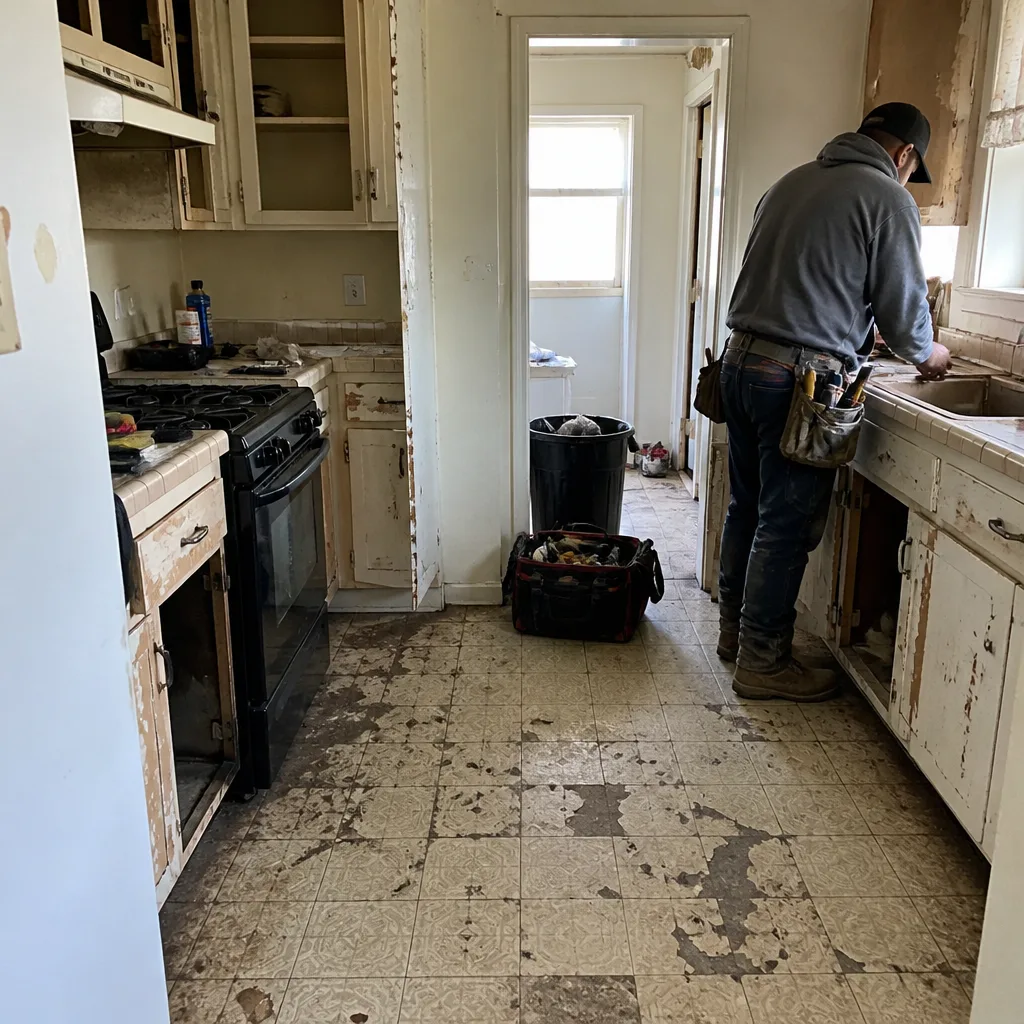 Before
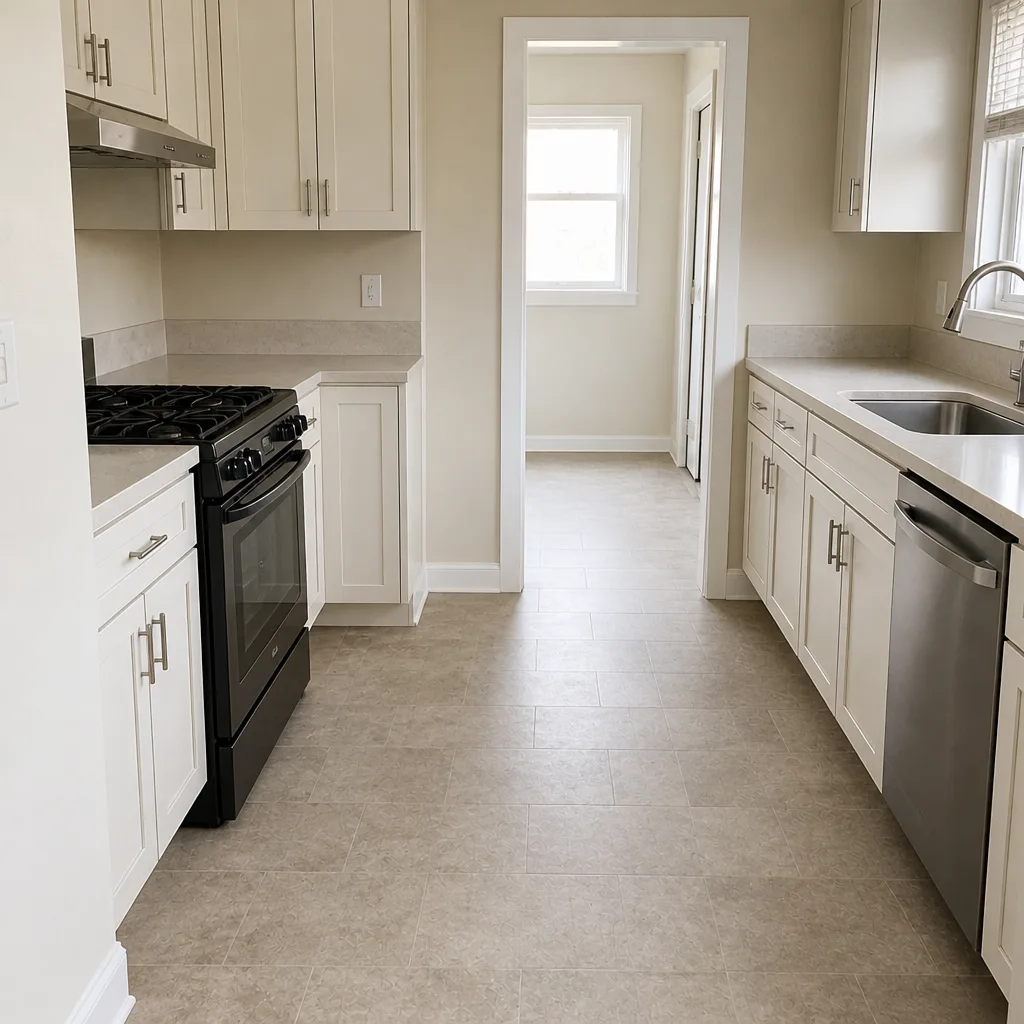 After
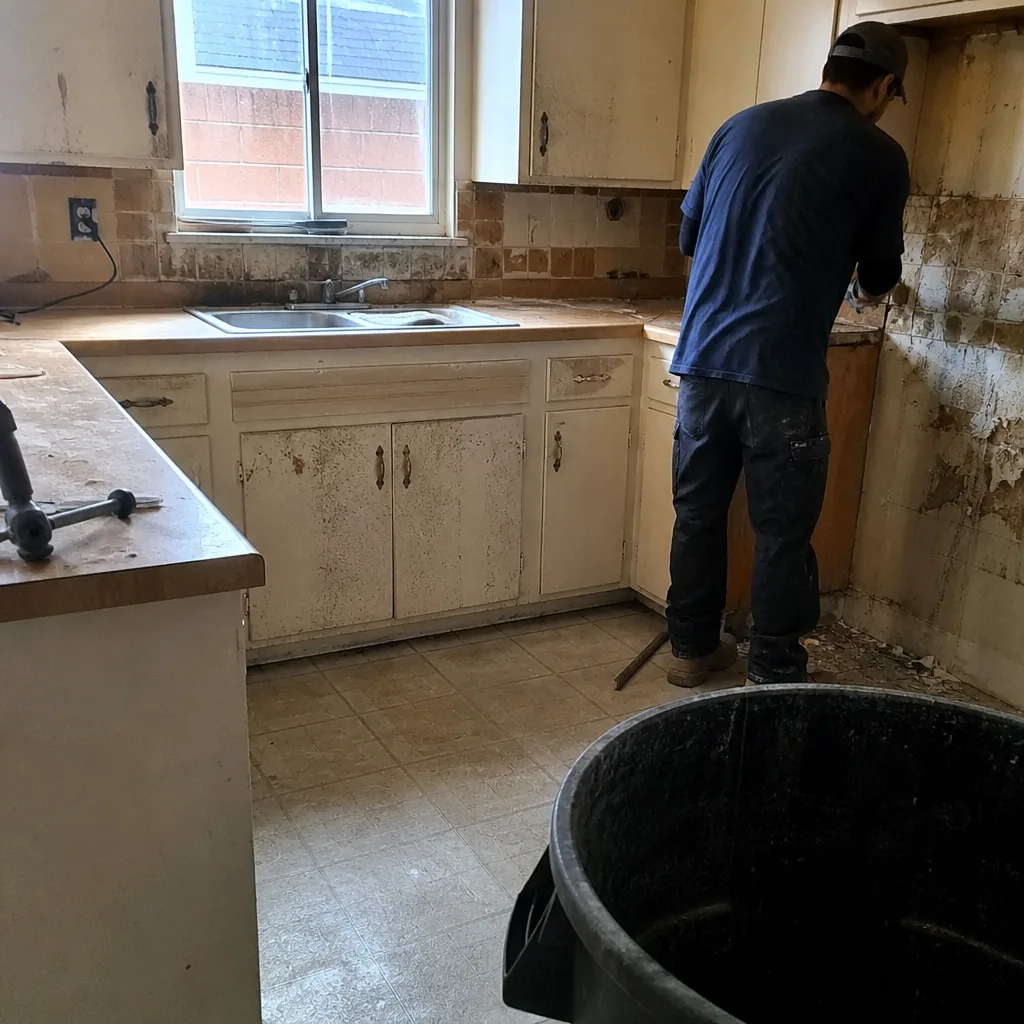 Before
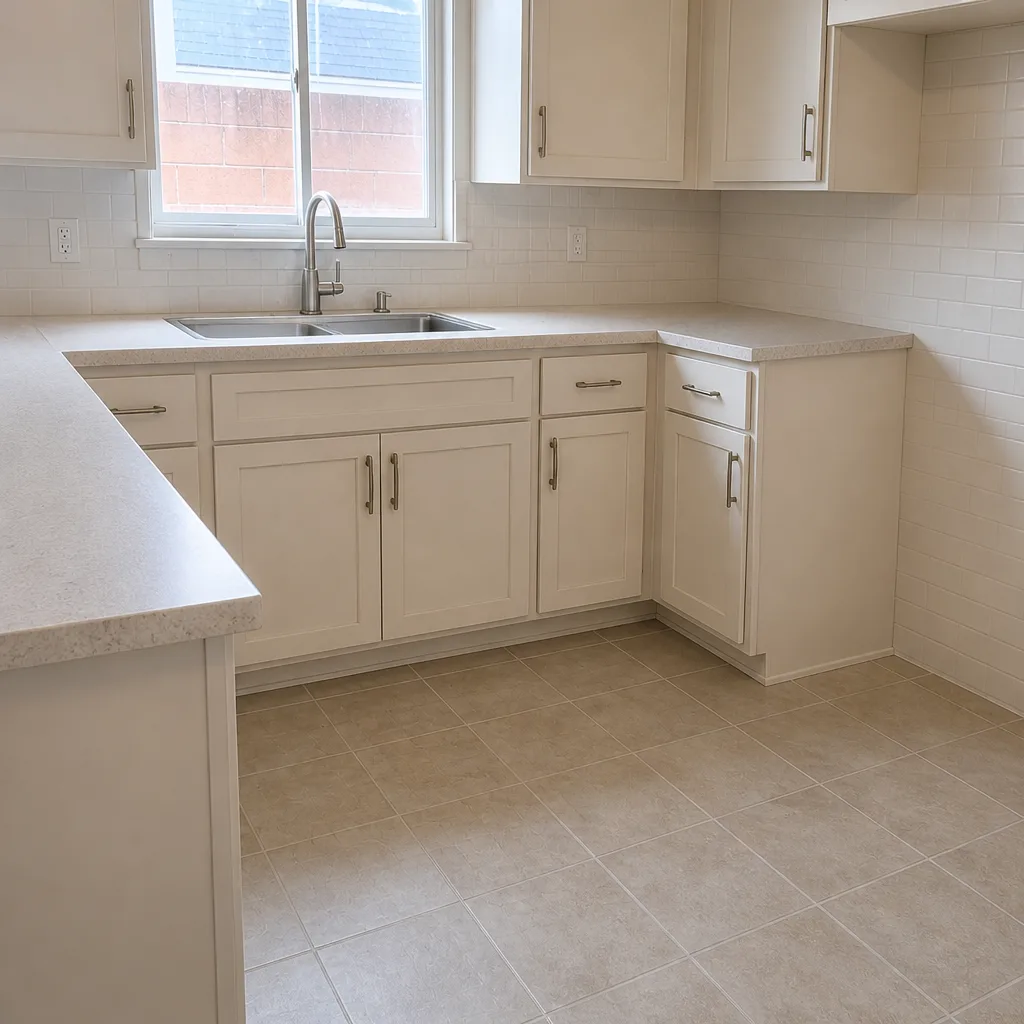 After
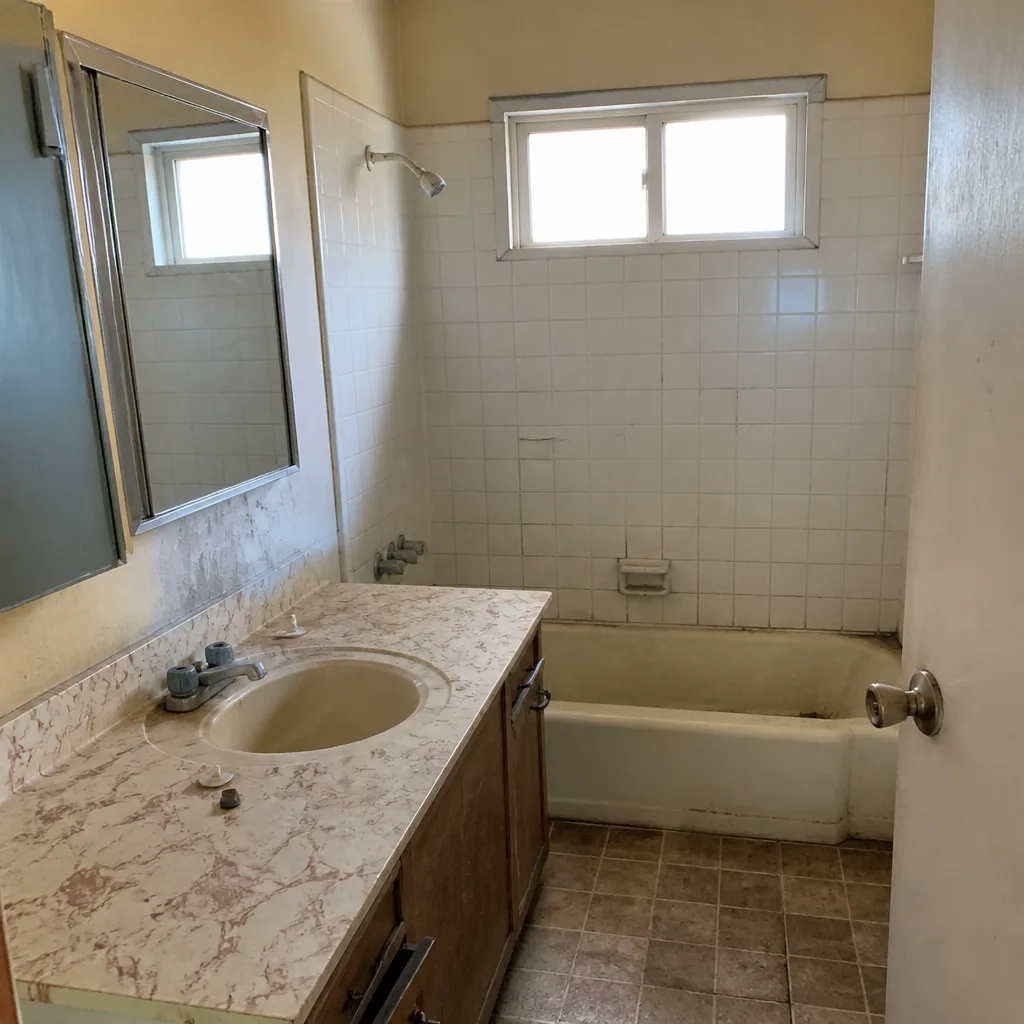 Before
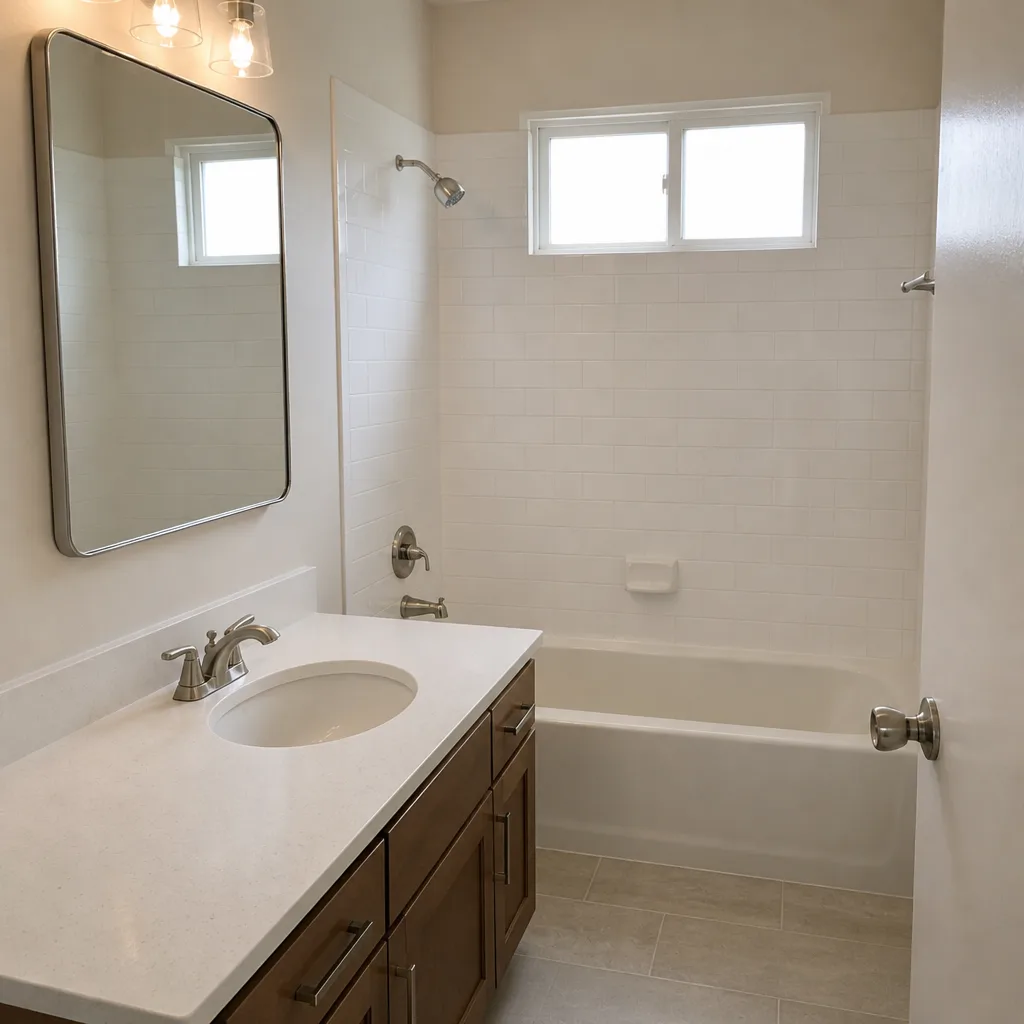 After
When to Call a Professional
Call a professional when you see a stucco or drywall crack wider than a nickel, any active water stain that reappears after rain, a soft spot in a floor or wall, visible roof ponding after storms, or a group of doors and windows that suddenly stop latching in the same wall. These are active movement or active moisture signals, and they don’t resolve on their own. Denali Contractors offers free estimates in Westminster – call (833) 749-1562. We answer 24/7 with fast dispatch from 7am to 7pm, Sunday through Friday. If you’re still in the monitor-and-watch category, keep photographing and note your dates – a professional can read a crack’s history from a set of dated photos, and that gives you a much clearer picture of whether it needs attention now or later.
Frequently Asked Questions
No. Hairline cracks under 1/8 inch in a random pattern with no movement after 60 days are usually cosmetic and typical of stucco curing over time. But any crack that widens, runs diagonally, or reappears after patching is a structural-movement signal, not a cosmetic one. Photograph and date your crack to know which category you’re in.
Watch for ponding water that sits more than 48 hours after rain, seam separation, blistering, and interior ceiling stains that reappear in the same spot. Any of these signals on a low-slope roof in Westminster means the membrane or drainage has a real issue, not just wear. Call (833) 749-1562 for an inspection and estimate.
Cosmetic cracks are shorter than 1/8 inch, run in random patterns, and stop moving. Structural cracks are wider than a nickel, follow a line, and widen over time. Any crack you can measure growing over a period of months is structural. Cracks that only appear once and never change are usually cosmetic.
No. Grout that fails repeatedly in the same zone is a sign the waterproofing behind it has failed. There’s usually no visible drip because the moisture is trapped behind the tile and moving into framing or subfloor. Have it checked before you re-grout – the fix is behind the tile, not on the surface.
Not always. Hairline cracks along joint lines are often thermal movement and are usually cosmetic. But a wedge-shaped crack, a crack that widens at one end, or a section that’s settling relative to the rest is a subsurface or base-compaction problem, not surface wear. That needs a base evaluation, not a new surface coat.
Address them before the remodel. Active moisture or movement signals under new finish materials will cause the finish to fail regardless of material quality. The right sequence is diagnose, repair, then finish. That’s how we structure our bathroom remodeling work, where we always verify the waterproofing assembly before installing new tile or fixtures.
Yes – in specific ways. Concrete-block stucco from that era cracks from foundation movement more than from thermal cycling. Low-slope roofing on mid-century tract homes uses membranes, not shingles. And original plumbing in 1960s bathrooms is more likely to be at the end of its service life. Reading your house’s actual era matters more than a generic checklist.
The Bottom Line
Westminster construction warning signs are almost always slow and understated. A hairline stucco crack that widens over months. A subtle pond on a low-slope roof. A soft spot in a subfloor near a bathroom. A driveway crack that widens at one end. The pattern to remember is simple: cosmetic cracks stop moving, structural cracks widen. Active moisture in a wall or floor assembly doesn’t dry out on its own. And the correct sequence for any project involving a warning sign is diagnose, repair, then finish – never finish over an unresolved problem. If you’re past the monitoring stage, we can help. From the driveway to the roofline, including driveway & pavers and fence installation, our team reads the warning signs across the whole property. Call (833) 749-1562 for a free estimate. We answer 24/7. Fast dispatch, 7am-7pm, Sunday through Friday.
Written by the team at Denali Contractors.