
Last updated November 17, 2026
 Home additions & ADU
 Kitchen remodeling
 Bathroom remodeling
 Roofing
 Windows & doors
 Driveway & pavers
 Fence
Free written scope consultation - allowances, timeline, and change-order rules on paper before a single trade is scheduled
DIY vs Professional Construction: The Westminster Homeowner’s Decision Guide
Most homeowners think the DIY-versus-hire call comes down to skill. It doesn’t. In California, the decision you’re really making is about permit exposure, liability, and what shows up on a disclosure form years later when you sell. Pull an owner-builder permit in Westminster and you’re legally certifying something specific about your future plans for that house – and that certification follows the property into resale negotiations in ways most people never plan for. This guide treats DIY as a real option for narrow, well-defined projects and draws a clean line where California law, not pride, draws it for you.
Quick Answer
Skilled DIY is genuinely appropriate for painting, landscaping, non-structural demolition, and tile work in dry areas. Anything that touches structure, roofing, electrical, gas, plumbing, or wet-area waterproofing belongs with a licensed professional – not because you can’t learn it, but because owner-builder permits in California carry a five-year resale restriction and unpermitted work discovered during a Westminster home sale costs far more to fix than the original project would have. When a project requires a permit or affects how the home transfers, hire it. When it doesn’t, DIY can make sense.
Styles & brands we work with
- Kitchen remodeling
- Bathroom remodeling
- Home additions & ADU
- Roofing
- Windows & doors
- Driveway & pavers
- Fence
Table of Contents
- What California Owner-Builder Rules Actually Require
- Where Skilled DIY Is Genuinely Appropriate
- Where DIY Creates Legal and Insurance Exposure
- How Unpermitted Work Surfaces During a Westminster Home Sale
- The Real Cost Comparison for Mid-Complexity Projects
- How to Work Alongside a Contractor to Cut Cost
- Westminster Housing Stock and What It Means for Your Project
- A Step-by-Step Way to Decide
What California Owner-Builder Rules Actually Require
California is one of the strictest states in the country for owner-builder work, and the restrictions come from a specific place in the law, not from your city building department. Under California Business and Professions Code sections 7044 and 7044.5, an owner-builder is someone who improves their own residence or the residence of a member of their immediate family. That definition matters because it limits who can legally perform permitted work under an owner-builder permit. If you buy a flip to improve and sell, you don’t qualify. If you’re building on land you don’t live on, you don’t qualify.
The clause most Westminster homeowners never hear about until it’s too late sits in the same code. When you pull an owner-builder permit, you sign a disclosure acknowledging that you have lived in the home for at least one year prior to the work, and that you will not sell the home for five years after the permit is finalized without disclosing in the sale that the work was performed by an owner-builder. That five-year window is a real constraint. It shows up in listing disclosures, in buyer negotiations, and in how a future lender or appraiser evaluates the property.
- Owner-builder permits are limited to your own residence or that of immediate family – not rental properties, not flip projects, not properties held in certain entities.
- The five-year resale disclosure obligation attaches to the permit, not to your intent at the time you pulled it.
- If you plan to sell inside that window, the disclosure requirement is real and buyers will ask about it.
- Worker protections still apply to anyone you bring onto the project as a helper.
- Unpermitted work performed without any permit at all sits outside this framework and creates separate disclosure problems on its own.
This is why we frame the decision the way we do on this page. The question isn’t whether you’re handy. The question is whether California law treats your project as owner-builder territory or as licensed-contractor territory. When it’s the latter, DIY stops being a skill question and becomes a structural one.
Where Skilled DIY Is Genuinely Appropriate
We’ve walked into plenty of Westminster homes where the owner had done impressive work themselves, and we say so when it’s true. There’s a real list of projects where DIY is the smarter move and hiring a contractor is more coordination than the job requires. Here’s where we draw the line in your favor.
Interior painting
Painting walls, ceilings, and trim in a space you already occupy is almost always owner territory. The prep work matters more than the paint brand, and you can do it at your own pace. Rolling walls in a Westminster living room doesn’t need a permit and doesn’t touch any system in the house.
Landscaping and yard projects
Planting, sod, garden beds, low walls under the height threshold, and irrigation line work in soil you’re hand-trenching sit firmly in DIY territory. Larger hardscape projects are different, and we’ll get to that below.
Non-structural demolition
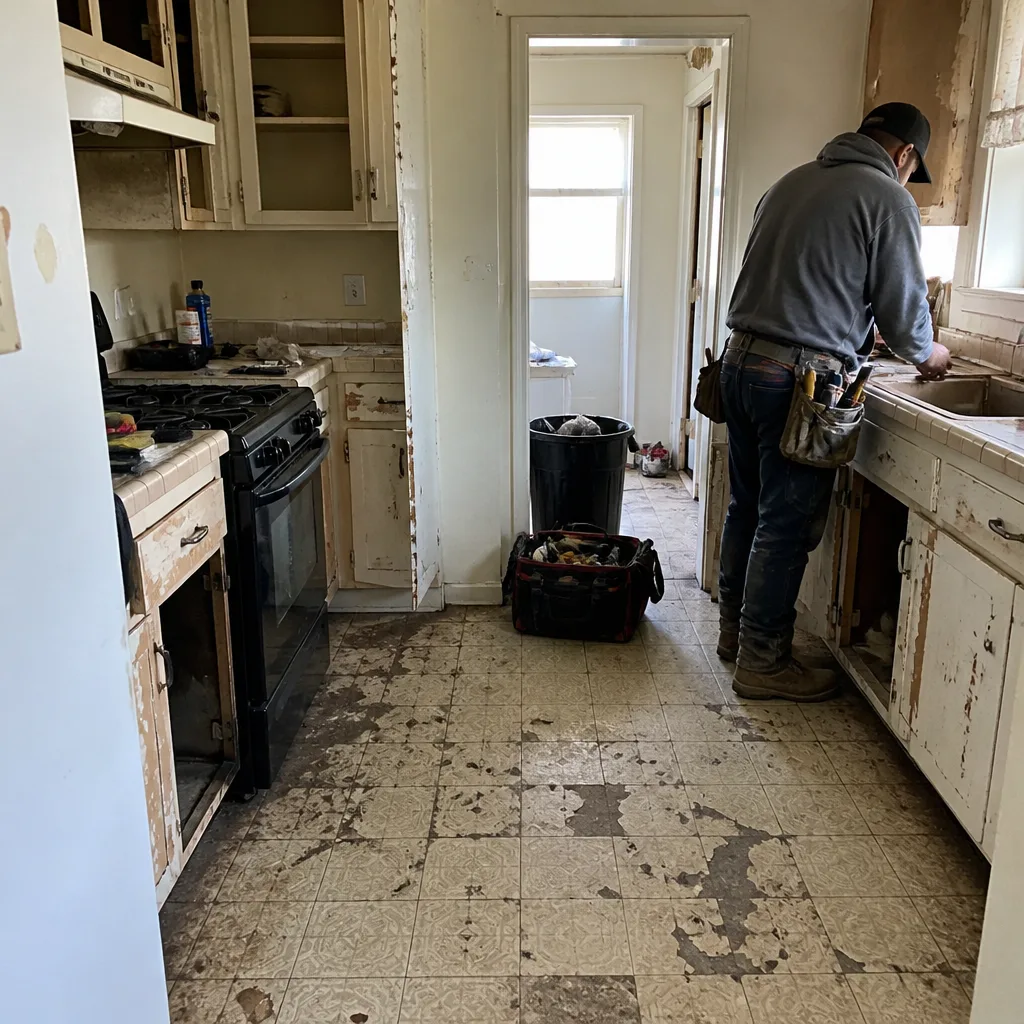
Pulling out a non-load-bearing closet, tearing down cabinets in a kitchen you’re planning to remodel, or ripping out old flooring is often best handled by the homeowner, especially when the demo is small and the debris hauling is manageable. Always confirm the wall isn’t structural before you swing a sledgehammer – that confirmation sometimes means a contractor or engineer looks at it first.
Tile in dry areas
Tile in a hallway, an entryway, or a laundry closet that doesn’t see standing water is a fair DIY project when you’re willing to do the surface prep properly. Wet areas – showers, tub surrounds, and anything that involves waterproofing membranes – are a different category entirely, and they’re covered in the next section.
Fencing and smaller exterior repairs
A short section of fence or a gate repair is often doable. Full fence installation in Westminster moves into permit and property-line territory quickly, so it’s usually the point to bring in a crew. For larger projects, our fence installation service is where most homeowners choose to have it handled, and there’s no shame in that call either.
Where DIY Creates Legal and Insurance Exposure
This is where the DIY-versus-hire question stops being about pride and starts being about whether you have coverage if something goes wrong. Every project on this list either requires a permit, affects a safety system in the house, or exposes a hole in your homeowner’s policy when the work is done by a non-professional.
- Structural changes. Removing a wall you believe isn’t load-bearing without a structural review is the classic way a small remodel becomes a six-figure repair. Load paths in older Westminster homes don’t always follow what the framing suggests on first glance.
- Wet-area waterproofing. Shower and tub surrounds depend on a waterproofing system behind the tile that you can’t see. A single missed seam means water soaking into framing for a year before it shows up as a stain on the ceiling below.
- Electrical beyond a fixture swap. Anything that involves new circuits, panel work, or outlet runs in wet areas requires a licensed electrician in California. The safety consequences of improvisation here are severe.
- Gas lines. Moving a stove, adding a range, or running gas to an outdoor kitchen is licensed-plumber territory, full stop. We don’t recommend any DIY approach to gas.
- Roofing. Roof work involves height, structural attachment, and water intrusion control that a first-time roofer is unlikely to get right. It’s also one of the projects most likely to void a homeowner policy when self-performed and water damage later occurs.
- Windows and doors on exterior walls. These are structural openings, require permits, and affect both energy performance and water management. Improper installation shows up as rot – sometimes years later.
Homeowner policies typically cover damage caused by sudden events, not damage caused by improper workmanship you performed yourself. If a shower you tiled leaks into the subfloor and the adjuster determines the failure traces back to installation error, you may be on your own for the remediation. That’s the insurance side of the line. And if someone helping you gets hurt on your property, the exposure falls differently than when a licensed contractor’s policy is in play.
How Unpermitted Work Surfaces During a Westminster Home Sale
Unpermitted DIY work has a way of staying quiet until you try to sell. Then it surfaces – usually during buyer inspection, sometimes during appraisal, occasionally during title review. Here’s what actually happens, and what it costs to remediate.
Where it’s discovered
- Buyer’s home inspection. An inspector checking a converted garage, an added bathroom, or a bonus room behind the kitchen will ask for permits. If none exist, it goes in the report.
- Appraiser review. The appraiser may refuse to count the unpermitted square footage in the home’s value. That directly affects what a lender will lend on the property.
- Title and county records. A title search will show if a permit was pulled. A county record search will show if the finished work was ever inspected.
- Buyer’s disclosure review. A buyer’s agent will ask directly whether the seller performed any work without permits. Answering truthfully triggers negotiation. Answering inaccurately creates real legal risk.
What remediation costs
Remediation usually means one of three paths: legalize the work (pull the permit after the fact and bring it to code), remove the work (tear it back out), or disclose it and negotiate a price reduction with the buyer. Legalizing is often the cleanest outcome and also the most expensive, because bringing unpermitted work up to current code is sometimes more involved than doing it correctly the first time. Buying a property with unpermitted work also complicates the buyer’s own financing in ways that push down what they’ll offer.
None of this is a reason to panic. It’s a reason to plan. If you’re going to do permitted work in Westminster, do it with a permit and an inspector on the project from day one. That closes this entire category of risk before it can open.
The Real Cost Comparison for Mid-Complexity Projects
Done honestly, the DIY math on a mid-complexity project looks very different from what the YouTube tutorials suggest. Here’s the comparison we walk through with homeowners who are weighing their own time against a professional bid, using a mid-range bathroom refresh as the example. Exact numbers vary by scope, so we’re showing the structure of the math rather than a specific bid.
- Materials, DIY. Tile, vanity, fixtures, paint, waterproofing system, misc. supplies. You’ll often buy at retail or semi-retail because you don’t get contractor pricing – that’s sometimes a significant line item you didn’t expect.
- Materials, professional. A contractor with access to manufacturer partnerships typically prices materials at or near the same level you’d pay, sometimes better, and passes the savings through on the estimate.
- Permits, DIY. Same fee as a professional pays – the county doesn’t care who pulls the permit. The difference is that the professional is used to the inspection sequence and can navigate corrections efficiently.
- Permits, professional. Same fee. The professional absorbs their time spent coordinating inspections inside the estimate.
- Time, DIY. Weekends and evenings on a bathroom refresh that would otherwise be a two- or three-week project for a professional crew. That time is real, and it compounds if you hit a problem.
- Error correction, DIY. The hidden line item. Every mid-complexity DIY project has at least one moment where work has to come back out and be redone. Sometimes it’s a single tile row. Sometimes it’s the entire shower pan because the pre-slope was wrong.
- Error correction, professional. Covered under the workmanship warranty. You don’t pay twice for the same task.
Run the math and a lot of mid-complexity projects land closer than people expect. Add the five-year resale disclosure that comes with the owner-builder permit, and the professional bid starts looking like a value, not an expense. This isn’t a sales pitch – it’s the honest comparison, and we’ve watched plenty of homeowners make the opposite call after doing the math themselves. We respect either outcome. What we don’t want is someone thinking DIY saves them 60% when the real number after time and error correction is closer to 20%.
How to Work Alongside a Contractor to Cut Cost
There’s a middle path most homeowners never hear about, and it works well in Westminster. Instead of deciding fully between DIY and a full professional bid, you split the project into tasks and specify the split up front in the contract. This is legitimate, common, and profitable for both sides – provided you get it in writing.
Tasks that are usually yours
- Demo. Doing your own non-structural demolition saves real labor cost, and the debris goes into a rented bin you manage.
- Site prep. Clearing the driveway area before a paver project, moving furniture out of a kitchen before cabinets come out, pulling up old flooring where it doesn’t affect the substrate.
- Paint and finishes. Painting after the contractor’s drywall and mud work is finished is a good split on a kitchen or bathroom project.
- Landscaping and finish detail. Planting, garden beds, and final cleanup around a driveway or hardscape install.
Tasks that are almost never yours
- Permit-scoped work. Any task under the permit has to be documented by the licensed party on the permit. You can do demo, but you can’t frame, plumb, or wire under someone else’s permit.
- Waterproofing and wet-area tile. Same reason – once the permit’s open, this category stays with the licensed crew.
- Roofing, electrical, and gas. Non-negotiable for the safety and coverage reasons covered above.
Get the split in writing
Whatever split you agree to, put it in the contract as a line item so it’s clearly defined. That’s the single protection that keeps your insurance intact – an adjuster looking at a claim needs to see which scope was the contractor’s and which was yours. Contractors who work with you here are the ones worth hiring. Our team does this openly on driveway & pavers and interior remodels where homeowners want to participate. The written estimate spells out every task and who owns it, so there’s no ambiguity sitting on the back end.
Westminster Housing Stock and What It Means for Your Project
Westminster’s housing mix has a real effect on which projects make sense to DIY and which don’t. A large share of the city’s single-family homes date from the post-war mid-century wave, and the tract homes built through the 1960s and 1970s share a set of features that matter for a project decision. Older wiring in many of these homes has been modified over the years, sometimes more than once. Plumbing is often a mix of original supply lines and later repairs. And plenty of these homes have had additions or enclosed patios added at some point – some permitted, some not.
That matters for a simple reason: the condition you inherit affects what’s realistic. A kitchen remodel in a 1960s Westminster tract home often reveals wiring that needs updating once the wall’s open. A bathroom remodel in the same home often reveals a shower pan that was built before modern waterproofing standards. In both cases, a homeowner planning to do the work themselves has to be ready for what the demo turns up – and ready to hire a licensed electrician or plumber on short notice when it does.
Westminster’s climate helps in a few places. Winters are mild, so an exterior project that would be a scheduling headache elsewhere can move forward through most of the year. That buys flexibility if you’re doing a driveway or fence project and want to time it around your own schedule. It doesn’t buy you anything on the permit side, though. The city’s building department still requires permits for the same projects as anywhere else in Orange County, and inspections are inspections.
Where we see the full-envelope advantage in these homes is on whole-property projects. A homeowner planning a kitchen remodel plus a driveway update plus a roof in the same year is doing three separate coordination efforts if they hire three contractors. That’s where one contractor for the whole property starts saving real time. Whether you go DIY, professional, or a mix, planning across the full project is the underrated decision. Have a look at our Denali Contractors overview for how the pieces connect if you’re thinking about a multi-phase project.
A Step-by-Step Way to Decide
If you’re still on the fence after all of the above, run through these six steps in order. It forces the decision into a sequence that catches the important cases early.
- Does the project require a permit in Westminster? Call the city building department and ask. If yes, you’re in licensed-contractor territory for the permit scope, and your only DIY options are the tasks outside the permit.
- Does the project affect structure, roofing, electrical, gas, plumbing, or wet-area waterproofing? If yes, hire. There’s no version of this that works long-term.
- Are you planning to sell the home within five years? If yes, think carefully about pulling an owner-builder permit. The resale disclosure obligation follows the property into that sale.
- Do you have another place to live during the project? Bathroom and kitchen remodels done yourself mean a lot of nights without a working shower or stove. That’s a real cost the math usually forgets.
- What’s the total project scope including error correction? Compare that number honestly to the professional bid. Get both numbers on paper before you decide.
- Do you want to split the project? If it helps, ask any contractor you engage whether they’ll work with you on a task split. Good contractors say yes and put it in the contract.
This sequence isn’t designed to push you toward hiring – it’s designed to surface the constraints that matter before you’ve committed time and money. Plenty of homeowners run through this and correctly decide to DIY. Plenty of others realize the project is bigger than they thought and bring in a professional. Both outcomes are the right outcome when they’re based on the actual picture.
Common Mistakes to Avoid
- Pulling an owner-builder permit without reading the five-year resale clause. The certification you sign at the permit counter is a legal commitment, not a formality. If you might sell inside that window, know what you’re agreeing to before the inspector shows up.
- Assuming your homeowner policy covers workmanship failures. Sudden damage is one thing. Shower pan leaks from a DIY install, or a roof that starts leaking because a flashing detail was skipped, may be treated differently by an adjuster. Read the policy or call your agent before you commit.
- Removing a wall without confirming it’s non-structural. The framing inside an older Westminster home isn’t always what it looks like from below. Get a structural confirmation before the sledgehammer comes out.
- Skipping the permit because the project is “small.” A small permitted project with a clean paper trail is a resale asset. A small unpermitted one is a question mark on inspection day. The permit fee is the cheapest part of any project.
- Overbuying materials based on tutorial quantities. Ordering 20% extra on tile for a DIY job is fine; ordering the way tutorials suggest for a professional install is a fast way to lose the savings you were trying to protect.
- Underestimating the time on wet-area tile. A shower surround isn’t a weekend project. The waterproofing cure times alone can eat the entire weekend. Plan for the calendar, not the motivation.
- Forgetting the running-other-trades problem. If your DIY project turns up wiring that needs a licensed electrician or plumbing that needs a licensed plumber, you’re now coordinating those trades yourself, mid-project, on short notice. That’s the coordination overhead a contractor absorbs for you.
See the difference
 Before
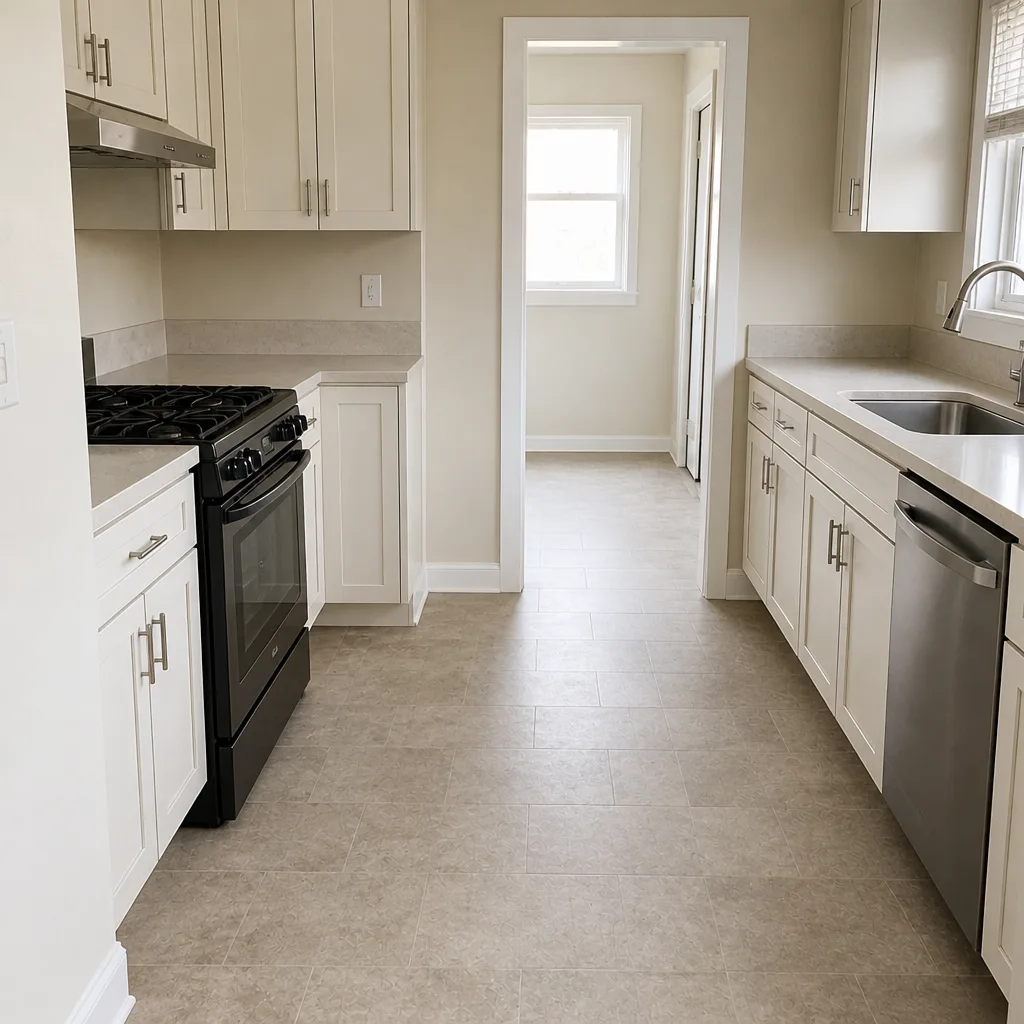 After
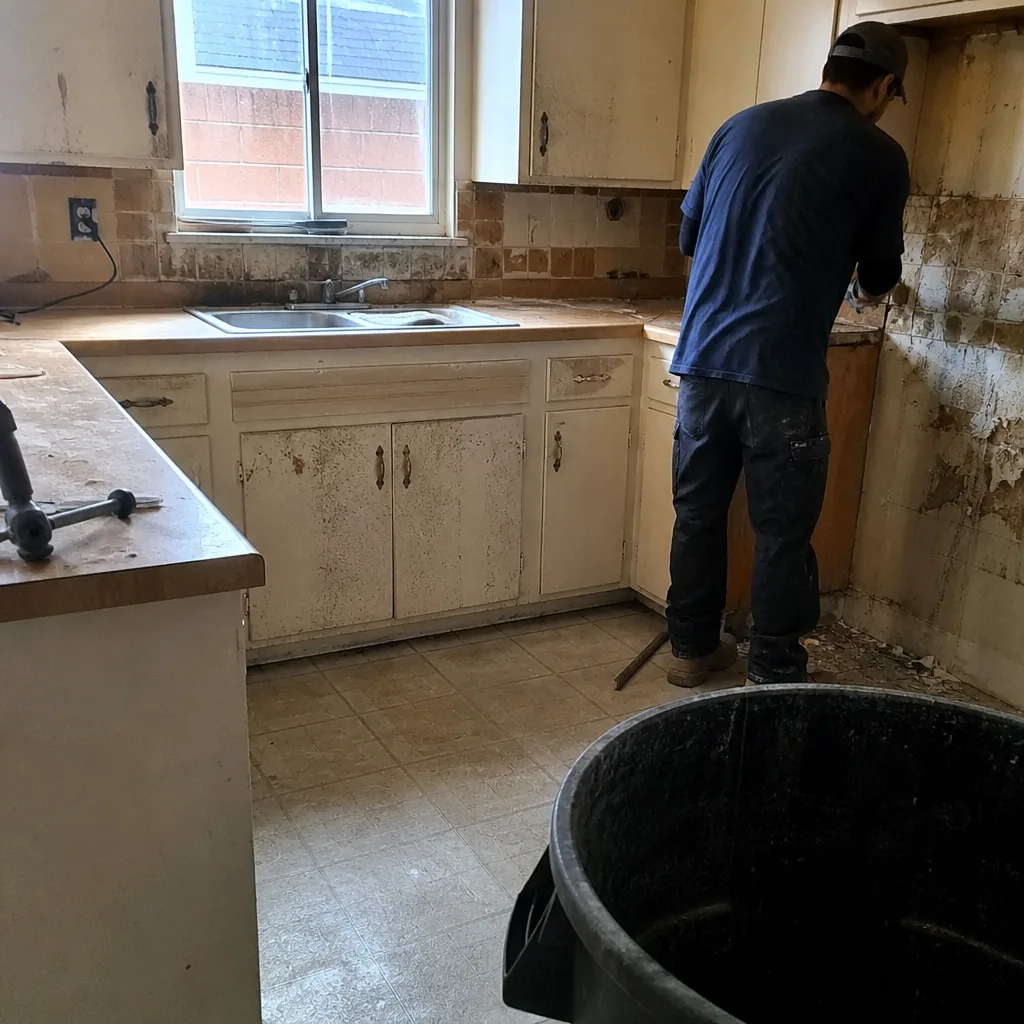 Before
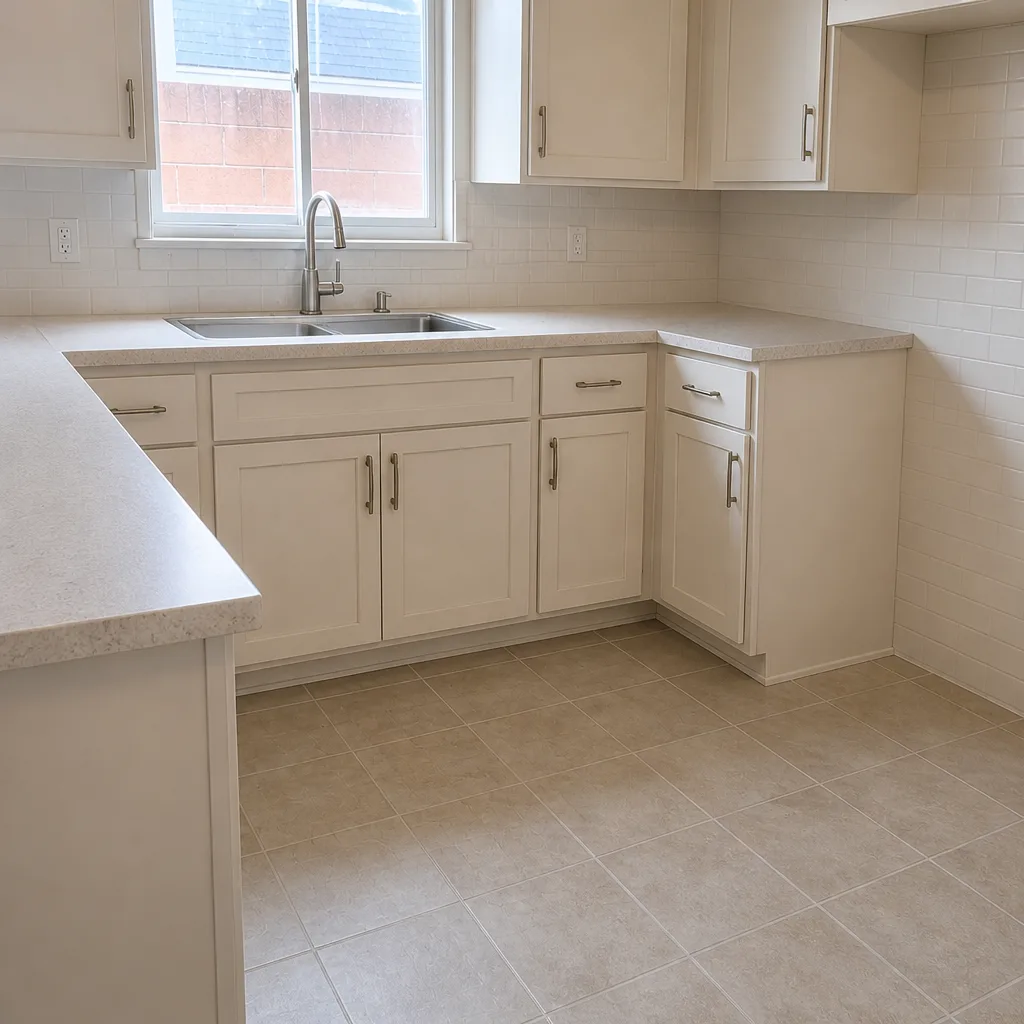 After
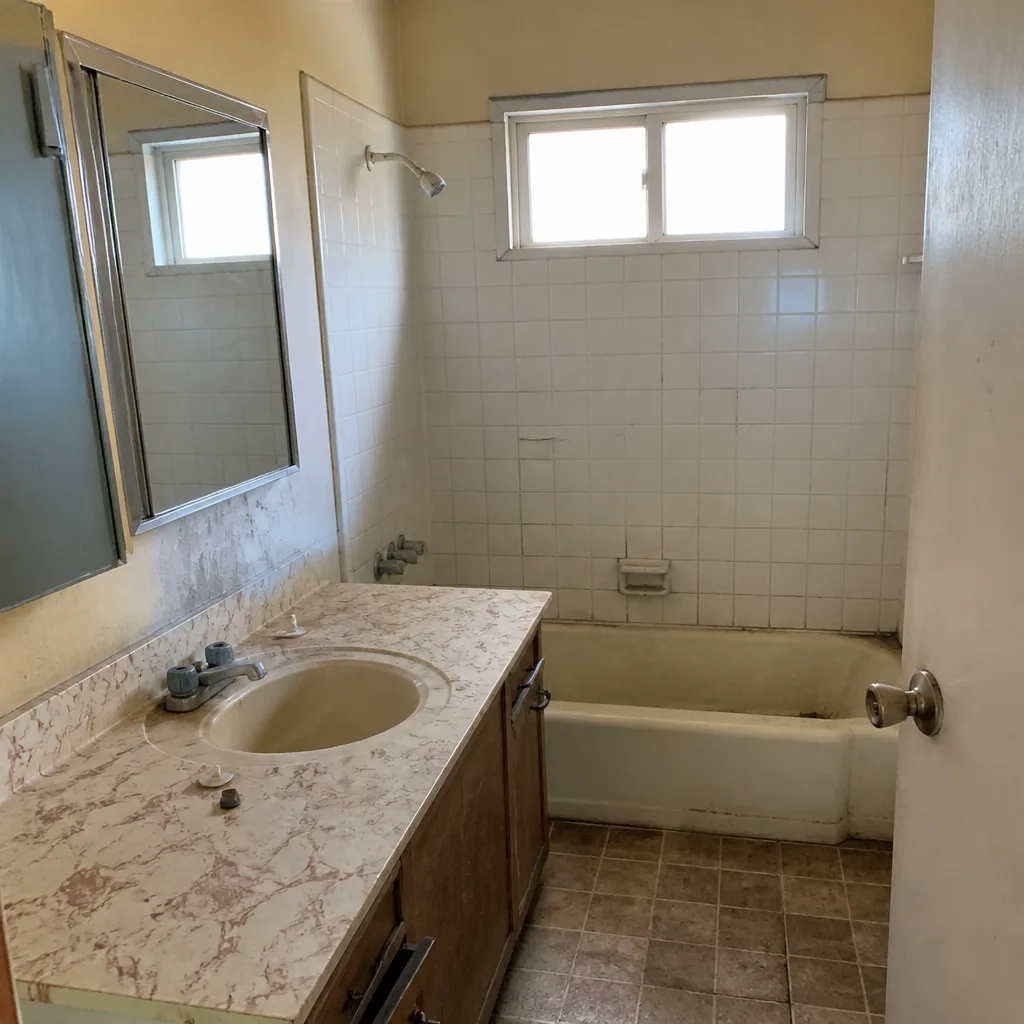 Before
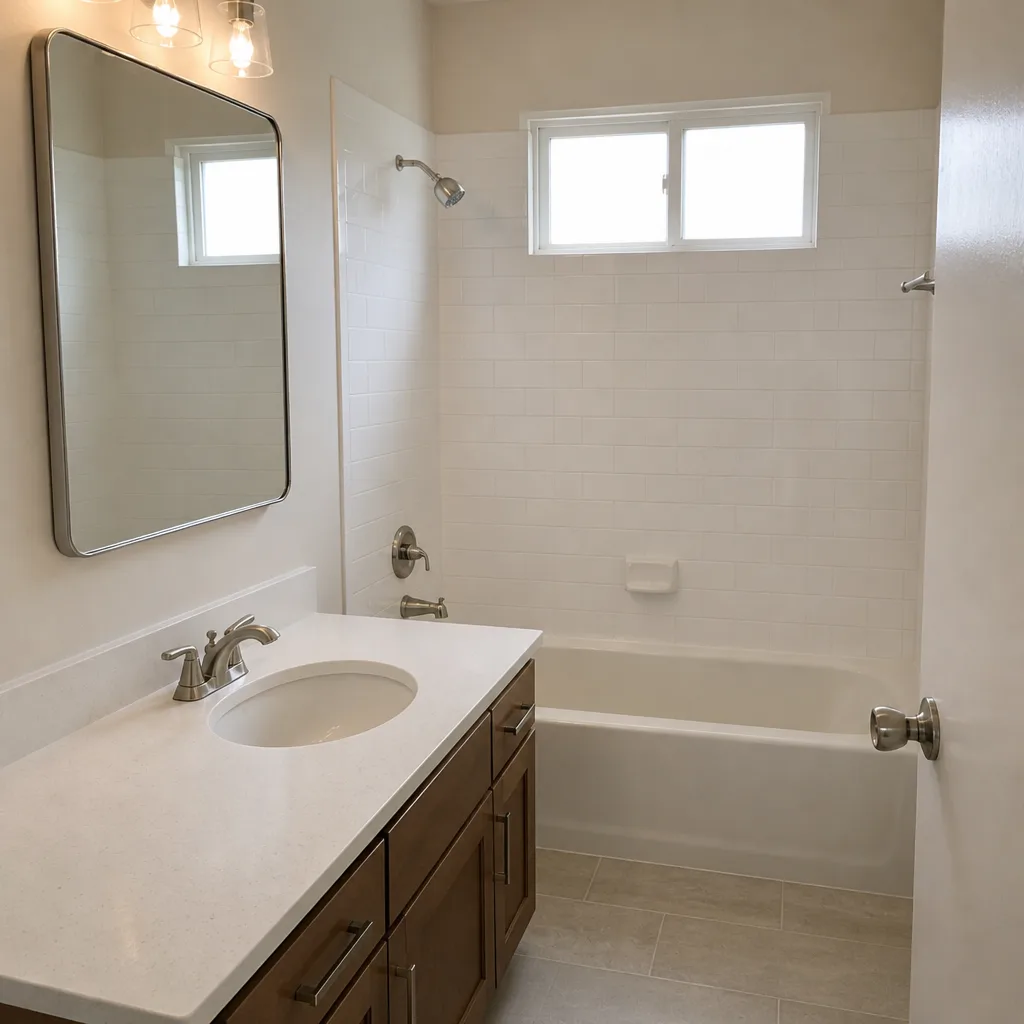 After
When to Call a Professional
Call a professional when the project touches structure, roofing, electrical, gas, plumbing, or wet-area waterproofing. Call when the project requires a permit and you plan to sell within five years. Call when the scope keeps growing – a homeowner planning a bathroom and getting a full gut renovation on discovery of water damage underneath is a common enough starting point that it’s worth planning for. Call when the project ties into anything exterior above ground level: rooflines, second-story openings, exterior openings on older Westminster homes where flashing details matter. Call when windows and doors are structural openings that will show up on inspection. Call when the whole-property question gets real and you’d rather not juggle three contractors for one upgrade.
Denali Contractors offers free estimates in Westminster – call (833) 749-1562. Estimates are written, line-item, and there’s no obligation to move forward. We answer 24/7. Fast dispatch from 7am to 7pm, Sunday through Friday.
Frequently Asked Questions
Yes, for the same projects a contractor would need one for – structural work, roofing, electrical, gas, plumbing, windows and doors on exterior walls, and additions or ADUs. Skilled cosmetic DIY (painting, landscaping, non-structural demo, tile in dry areas) generally doesn’t need a permit, but confirm with the city building department for anything borderline before you start. Call (833) 749-1562 if you’d like us to point you in the right direction – estimates are free.
An owner-builder permit lets you permit work on your own residence or the residence of an immediate family member, and it commits you to a five-year resale disclosure under Business and Professions Code section 7044. You sign a certification acknowledging the one-year residency requirement and the five-year window. If you’re planning to sell inside that window, the disclosure follows the property into the sale, and buyers will ask about it. Call (833) 749-1562 to talk through whether your project fits owner-builder territory or needs a licensed contractor.
For mid-complexity projects done honestly – including time spent, retail material pricing, and error correction – DIY typically saves less than homeowners expect, and the savings shrink as project complexity rises. For genuinely cosmetic projects (painting, landscaping, dry-area tile), DIY usually wins outright. For anything requiring a permit or a licensed trade, the professional path usually costs less once you account for remediation risk and coordination time. The written estimate is the honest comparison – call (833) 749-1562 for a free one.
It’s commonly caught during the buyer’s inspection, appraisal, or title review – particularly for converted garages, added bathrooms, bonus rooms, or enclosed patios. Even if an individual inspection misses it, the seller disclosure form asks directly whether the seller performed unpermitted work. Answering truthfully triggers negotiation, and answering inaccurately creates real legal exposure. Getting a permit before the work closes the entire question. Call (833) 749-1562 to get the permit side handled by a professional.
Yes – many homeowners do exactly this on Westminster projects, and it’s a legitimate way to reduce cost. The workable splits are usually demo, paint, and landscaping in your scope while the contractor handles anything under the permit plus trades work. It has to be spelled out in the contract line by line so your insurance stays intact if something goes wrong. Our written estimates list every task and who owns it. Call (833) 749-1562 to plan a split project – estimates are free.
DIY projects routinely run two to four times longer than professional estimates on mid-complexity work because of sequencing, cure times, and the redo cycle when the first attempt doesn’t land. A kitchen or bathroom remodel that runs a professional crew two to three weeks often becomes two to three months of weekends for a first-time DIY. Skilled DIY on cosmetic work runs closer to the professional timeline. Call (833) 749-1562 for an honest schedule on your specific project – estimates are free.
The Bottom Line
The DIY decision in Westminster isn’t about whether you’re handy – it’s about which projects California law lets you touch and which ones expose your resale, your insurance, and your time. Skilled DIY genuinely wins on painting, landscaping, non-structural demo, dry-area tile, and small fence repairs. It loses on anything structural, anything under a permit, and anything tied to a safety system, because the five-year owner-builder resale disclosure and the insurance gap on workmanship failures are real constraints, not theoretical ones. Run the honest math though – materials plus time plus error correction against the professional bid – and most homeowners land on the right answer for their project. Our technicians have up to 9 years of experience across one contractor serving every corner of your home.
If your project lands on the professional side of the line – or if you want to plan a split project that keeps DIY in the picture without giving up coverage – call Denali Contractors at (833) 749-1562 for a free, written, line-item estimate for your Westminster home. We answer 24/7. Fast dispatch from 7am to 7pm, Sunday through Friday. Whether you’re planning a whole-property overhaul or a single room, choosing materials with one contractor across roofing, kitchens, baths, windows and doors, or home additions & ADU work keeps the coordination on our side of the table. Honest quotes, written scopes, and an inspector on the permit from day one.
Written by the team at Denali Contractors.