
Last updated November 17, 2026
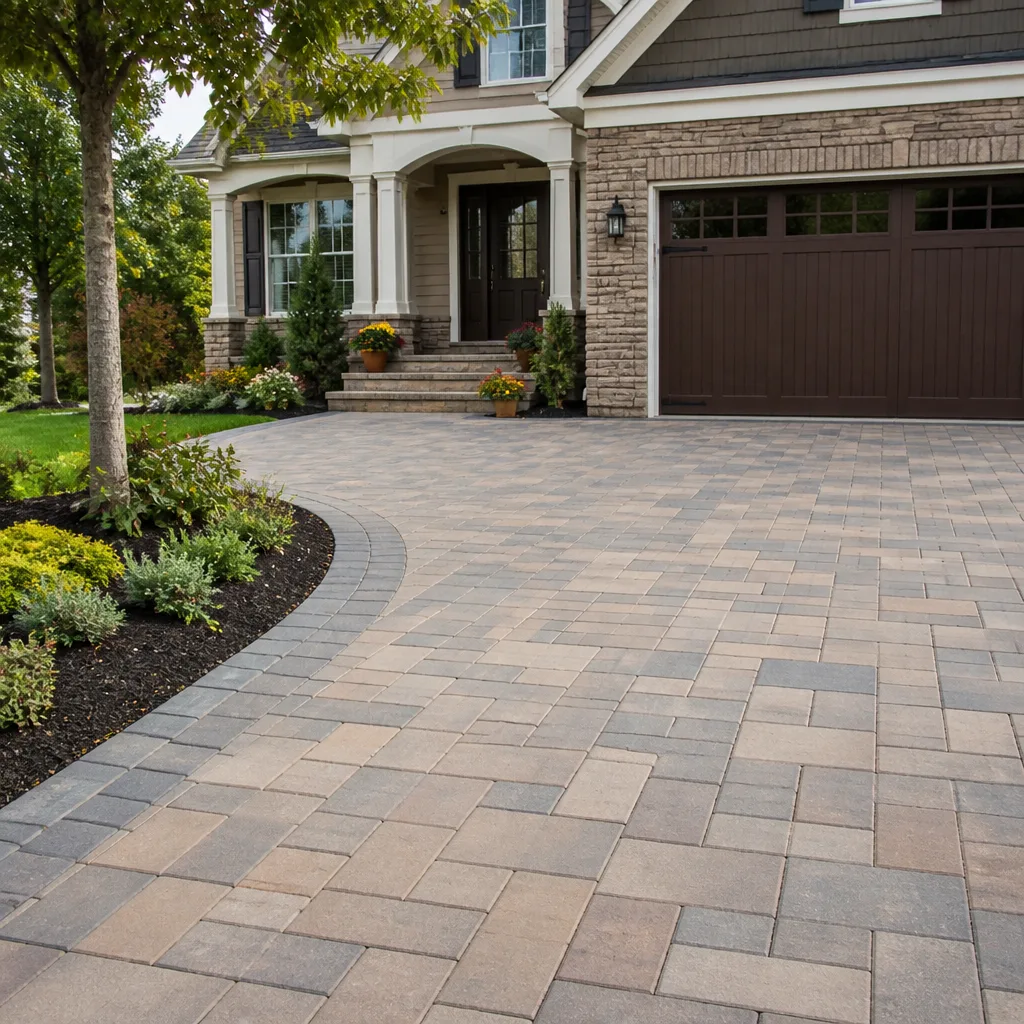 Driveway & pavers
 Kitchen remodeling
 Bathroom remodeling
 Home additions & ADU
 Roofing
 Windows & doors
 Fence
Free written scope consultation - allowances, timeline, and change-order rules on paper before a single trade is scheduled
The Complete Driveway & Pavers Guide for Westminster Homeowners
Most driveway paver guides are written for a generic American suburb, and that’s the first problem. Westminster sits on expansive clay soils that swell when they’re wet and shrink when they dry, and a base built to the national minimum will move with that clay until every paver above it shows the shift. Add a mild but genuinely variable climate, planned-community HOA rules that dictate color and material, and city permit thresholds that catch homeowners off guard, and you have a project where the details under the surface matter more than the pavers you pick. We’ll walk through base depth, material choice, permits, HOA verification, and real cost structure so you can price a Westminster driveway with your eyes open.
Quick Answer
A driveway paver project in Westminster needs an aggregate base deeper than the standard spec because of the city’s expansive clay subsoil – plan on a compacted base in the 6-inch range rather than 3 inches, with proper geotextile separation. Concrete pavers, travertine, and permeable systems all work here, but the base and drainage decide whether they last. Expect a typical installed cost in the $12 to $28 per square foot range depending on material and base depth, with the written estimate setting the final price.
Styles & brands we work with
- Kitchen remodeling
- Bathroom remodeling
- Home additions & ADU
- Roofing
- Windows & doors
- Driveway & pavers
- Fence
Table of Contents
- Why Westminster’s Clay Soil Changes the Base Spec
- How Deep Should a Paver Base Be in Westminster?
- Which Paver Material Holds Up in Westminster?
- What Does a Paver Driveway Cost in Westminster?
- When Does a Westminster Driveway Need a Permit?
- HOA Rules in Westminster Planned Communities
- How a Paver Driveway Goes In, Step by Step
- Keeping Pavers Solid Through the Seasons
Why Westminster’s Clay Soil Changes the Base Spec
Expansive clay is the single most important local fact for anyone pricing pavers in Westminster. This soil holds water, swells, and pushes upward; when it dries it contracts and leaves voids. A driveway is a rigid surface resting on that moving ground, so the base has two jobs: spread the load of vehicles across a wide area, and isolate the pavers from the clay’s seasonal movement. Skip the second job and the first one fails.
National paver guidance is usually written for stable, well-draining subgrades. Applied here without adjustment, a shallow base cracks, settles into dips, and rocks at the joints. The failure doesn’t show up in the first month. It shows up after a couple of wet winters, which is why cheap base prep is the most expensive mistake in this market.
What a proper Westminster base involves:
- Excavation past the organic layer down to stable subgrade, not just skimming the surface.
- Geotextile separation fabric between the clay and the aggregate, so fines don’t pump up into the base.
- Compacted aggregate in lifts, each layer compacted before the next goes down, not dumped and smoothed in one pass.
- Positive drainage away from the garage and street, planned before the first shovel of aggregate.
If a contractor quotes your Westminster driveway without asking about soil, drainage, or how water currently leaves the property, that quote is a guess. Our technicians have up to 9 years of experience reading local ground conditions, and the first thing we look at is what the clay is doing under the existing surface. For the full service picture, see our driveway & pavers page.
How Deep Should a Paver Base Be in Westminster?
For a residential driveway in Westminster, plan on a compacted aggregate base around 6 inches rather than the 3 to 4 inches common in generic specs, and go deeper where the clay is heaviest or the driveway carries heavier vehicles. The base is the part of the job you never see and the part that determines everything above it.
Here’s what the difference actually buys you:
| Base Depth | Typical Use | Behavior on Westminster Clay |
|---|---|---|
| 3 inches | Footpaths, light patios | Too thin for vehicle loads; movement telegraphs quickly |
| 4 to 5 inches | Light residential use on stable soil | Marginal here; risk of settling at joints and edges |
| 6 inches | Standard for Westminster driveways | Spreads load and buffers seasonal clay movement |
| 8 inches and up | Heavy vehicles, poor drainage, deep clay | Best long-term stability where conditions demand it |
The cost difference between a 3-inch and a 6-inch base is real – more excavation, more aggregate, more compaction labor, more disposal. It’s also the smallest line item you’ll ever regret skipping. A driveway that fails in two seasons costs far more to rebuild than the deeper base would have cost the first time.
Two local conditions push toward the deeper end: clay that holds water long after rain, and driveways that slope toward the garage or street. In both cases, water has to go somewhere, and the base and surface grading need to send it there deliberately.
Which Paver Material Holds Up in Westminster?
Three families of paver make sense in Westminster: concrete pavers, travertine, and permeable pavers. Each handles the local UV load and occasional heavy winter rain differently, and the right pick depends on sun exposure, drainage, and how the driveway is used.
Concrete pavers
The workhorse choice. Modern concrete pavers from brands like Belgard, Unilock, Techo-Bloc, Tremron, and Cambridge Pavers come in a wide range of colors and finishes and hold their color well under strong sun. They’re the most forgiving material on a properly built clay-soil base and the easiest to repair if a single unit ever shifts – you lift and reset it rather than replacing a slab. If you want material choice rather than a take-it-or-leave-it spec sheet, this is where the brand range matters.
Travertine
Travertine gives a cooler surface underfoot and a distinctive look, and it performs well in warm, sunny conditions. It’s heavier and typically more expensive, and it needs a solid, well-drained base because it’s less tolerant of movement than concrete pavers. On a Westminster clay site, travertine only makes sense with a deep, well-compacted base underneath.
Permeable pavers
Permeable systems let water pass through the joints and base into the ground, which is a genuine advantage on a lot where runoff has nowhere to go. They’re also worth discussing with the city if your project touches drainage or impervious-surface limits. The catch is that the base is even more critical – the system only works if the open-graded aggregate and soil below can actually accept water.
- Best all-round for Westminster: concrete pavers on a 6-inch compacted base.
- Best for a premium look in shade or partial sun: travertine with extra base attention.
- Best where runoff is a problem: permeable pavers with engineered drainage.
What Does a Paver Driveway Cost in Westminster?
A typical installed paver driveway in Westminster runs roughly $12 to $28 per square foot, depending on material and base depth, with the written estimate setting the final price. That’s an estimate range for planning; the exact number depends on square footage, excavation, drainage work, and material choice.
Where the money goes, as line items:
- Demolition and disposal of the old surface: roughly $2 to $5 per square foot.
- Excavation and base prep: roughly $4 to $8 per square foot, and the line that grows with base depth.
- Paver material: roughly $4 to $12 per square foot, the widest spread of any line.
- Installation, edge restraints, and compaction: roughly $4 to $8 per square foot.
- Drainage or grading additions: priced into the estimate based on what the site needs.
The base depth difference is the quiet cost driver. Going from a 3-inch to a 6-inch base adds excavation, aggregate, disposal, and compaction labor – but it’s a fraction of what a rebuild costs after a shallow base fails. Ask for a written line-item quote that separates base prep from the pavers themselves, so you can see exactly what you’re paying for. A contractor who won’t break it out is telling you something.
For a whole-property project that pairs hardscape with fencing, windows, or interior work, one contract across those lines saves you the coordination overhead of managing separate trades. Call (833) 749-1562 for a free estimate – we’ll put the numbers in writing.
When Does a Westminster Driveway Need a Permit?
A driveway replacement in Westminster can trigger a grading or stormwater permit depending on scope, and the rule that catches homeowners off guard is the one about impervious surface. Before any work starts, ask the city’s building department whether your project crosses a threshold – and get the answer in writing.
Common triggers to ask about:
- Adding impervious surface or expanding the driveway footprint. If you’re going from gravel to pavers or widening the approach, ask whether the added impervious area requires a stormwater review.
- Changes to grading or drainage. Any regrading that redirects water toward a neighbor, the street, or a drainage channel usually needs review.
- Work in the public right-of-way. If the driveway approach meets the street and the work touches the sidewalk or curb, expect right-of-way rules to apply.
- Structural changes. Retaining walls, drainage structures, or major grade changes at the property line often carry their own review.
The safest path: describe the project to the city in plain terms and ask which permits, if any, apply. Permits pulled and inspections passed protect you when you sell and when a future contractor touches the property. If your project grows into an outbuilding, garage conversion, or accessory unit, the scope moves into permitting territory that’s separate from pavers entirely – that’s where our home additions & ADU work comes in, and it’s worth planning both pieces together so grading and access line up.
HOA Rules in Westminster Planned Communities
Many Westminster planned communities set color and material restrictions on driveways, and buying the wrong pavers before checking can mean buying twice. Verify the rules before you order a single unit.
How to verify, in order:
- Read your CC&Rs and design guidelines. They typically list approved colors, materials, and finishes, and some name specific product lines.
- Submit an architectural request before ordering. Most HOAs require prior approval; retroactive approval is harder than it sounds.
- Get neighbor precedent in writing. If nearby homes use a specific paver and color, ask whether it’s on the approved list rather than assuming.
- Confirm material restrictions. Some communities restrict travertine, stamped concrete, or certain finishes; permeable systems may have their own rules.
Bring the HOA approval and the design guideline to your contractor before finalizing material selection. With access to 50+ vetted manufacturer brands across our service lines, we can usually find an approved product that works with the design you actually want – that’s the point of a real material range. If a community restricts one paver line, there’s almost always a compliant alternative.
How a Paver Driveway Goes In, Step by Step
A properly built paver driveway in Westminster follows a sequence, and each step depends on the one before it. Here’s what a typical job involves from start to finish.
- Site assessment. We look at current drainage, soil behavior, grade, HOA and permit status, and how the driveway is used.
- Removal of the existing surface. Old concrete, asphalt, or gravel comes out, along with any base that’s failed.
- Excavation to proper depth. The clay subgrade is cut down to the depth the base requires – typically about 6 inches of compacted aggregate present.
- Subgrade preparation and geotextile. Stable, graded, and separated from the aggregate so fines stay put.
- Aggregate base in lifts. Each layer is compacted before the next goes down, checked for flatness and drainage slope.
- Edge restraints. The perimeter is restrained so pavers can’t migrate under load.
- Paver installation. Laid in the selected pattern with proper spacing, then cut at edges and obstacles.
- Plate compaction and joint sand. The finished surface is compacted and joints filled so the field locks together.
- Cleanup and final check. Site cleared, surface swept, drainage verified.
That sequence is why base depth matters: steps three and five take the most time, and shortcuts there don’t show up until the surface tells you about them. If you’re pairing the driveway with a new perimeter, our fence installation work is planned around the same grade and drainage so the two pieces don’t fight each other.
Keeping Pavers Solid Through the Seasons
A paver driveway in Westminster needs very little upkeep if it’s built right, and a fair amount if it was built shallow. The maintenance you do should focus on water and joints, not on the surface itself.
- Replenish joint sand when it washes low. Joint sand is part of the structure; when it erodes, the field loosens.
- Watch the drainage lines. After heavy rain, check that water still leaves the driveway the way it’s supposed to.
- Keep weeds out of the joints. Small joints that stay clear lock better and last longer.
- Address a rocking or dipping paver early. A single shifting unit is often a drainage or base warning, not a paver problem.
- Avoid heavy loads on a single spot. A parked trailer or a concentrated load sits on the base, and the base is what you paid to build.
If you see settlement along the garage apron or the street approach – the two places that take the most water – have it looked at before it spreads into the field. Local advice written for dry desert or wet coastal climates doesn’t match what happens on clay, so trust what your driveway is doing. See how the full-scope service framing works on our Denali Contractors page.
Common Mistakes to Avoid
- Using the national minimum base depth. A 3-to-4-inch base is written for stable subgrades; on Westminster clay it’s the most common failure path.
- Skipping the geotextile fabric. Without separation, clay fines migrate into the aggregate and the base loses its structure.
- Buying pavers before checking HOA rules. Many Westminster planned communities restrict color and material; buying first means buying twice.
- Assuming a driveway replacement never needs a permit. Grading, drainage, and impervious-surface thresholds can all pull your project into review.
- Choosing a paver by color alone. Travertine, concrete, and permeable systems perform differently on clay, and the wrong pick for the site costs more over time.
- Letting drainage get designed after the base. Water has to leave the property on purpose, planned before excavation, not patched in afterward.
- Accepting a one-line quote. If base prep isn’t broken out from the pavers, you can’t see where the money goes – and that’s usually where the shortcuts are.
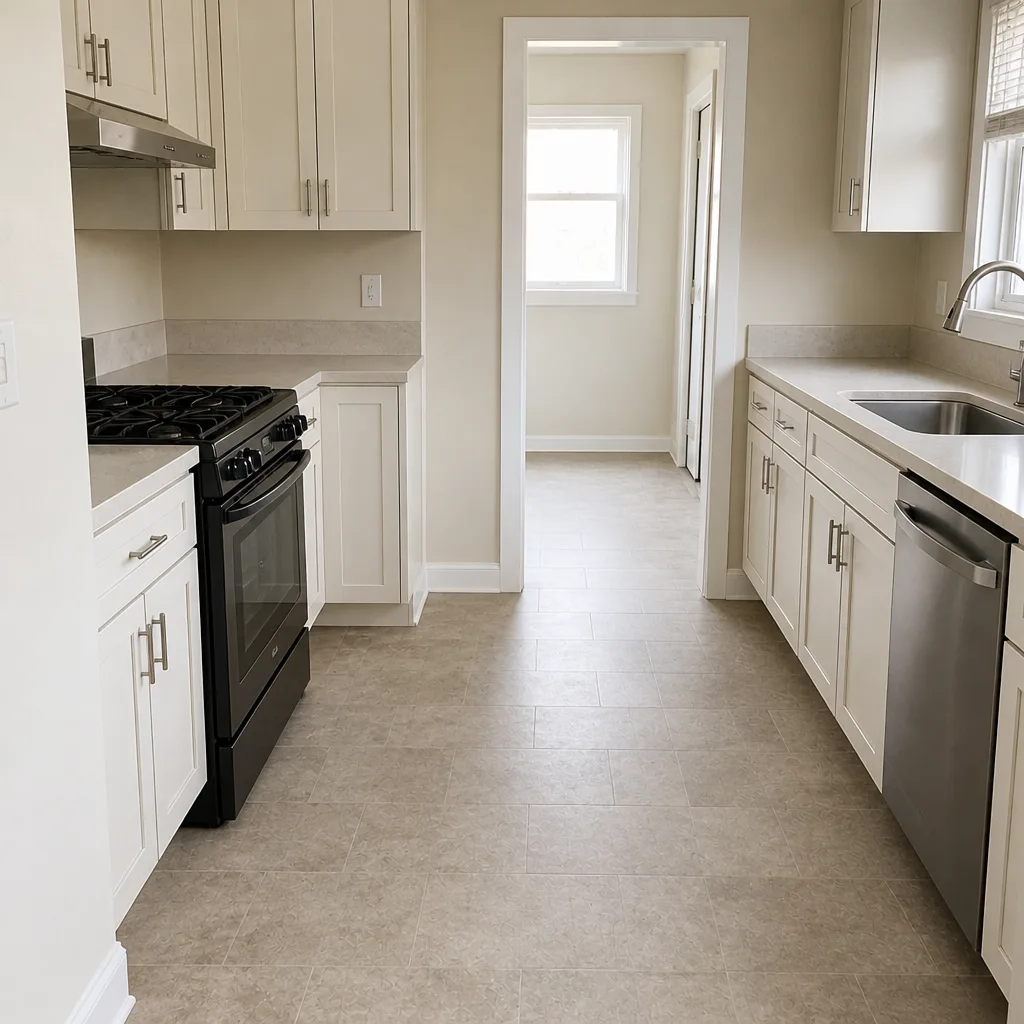
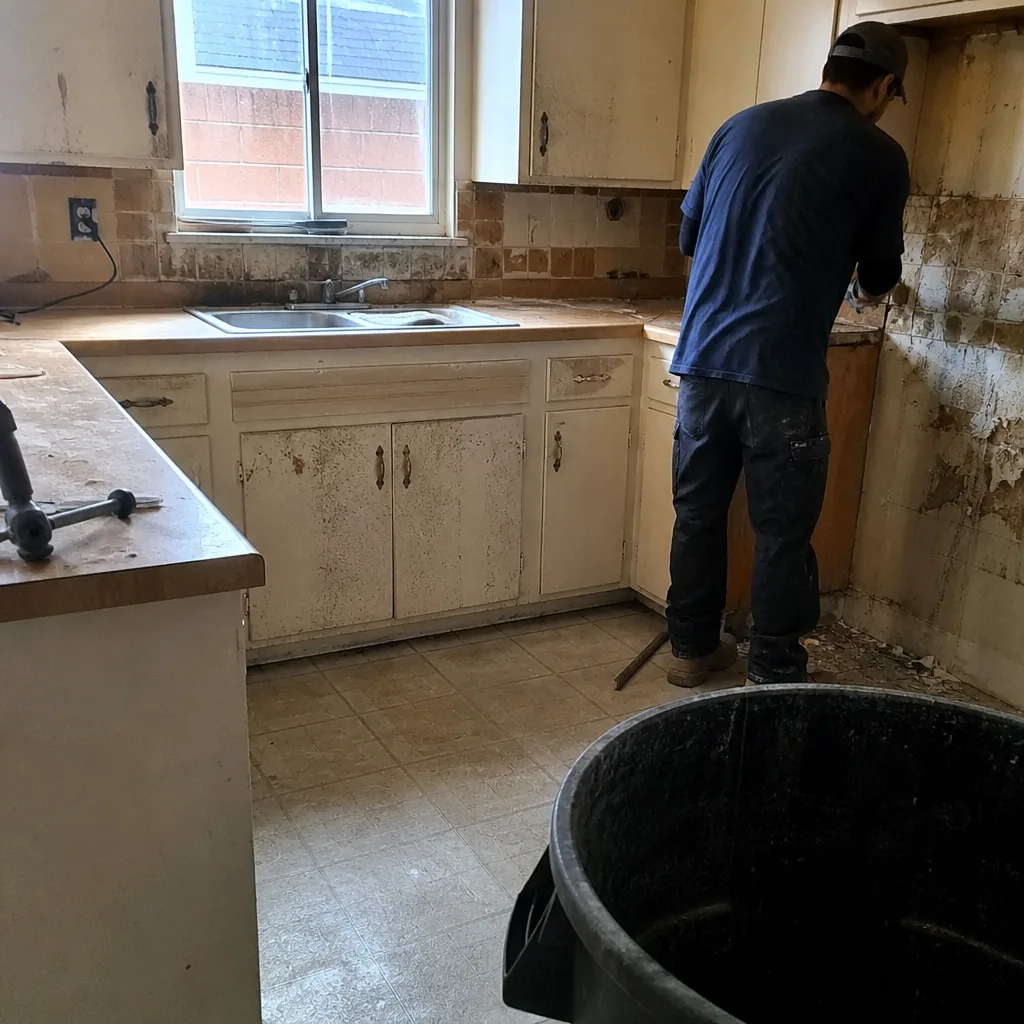
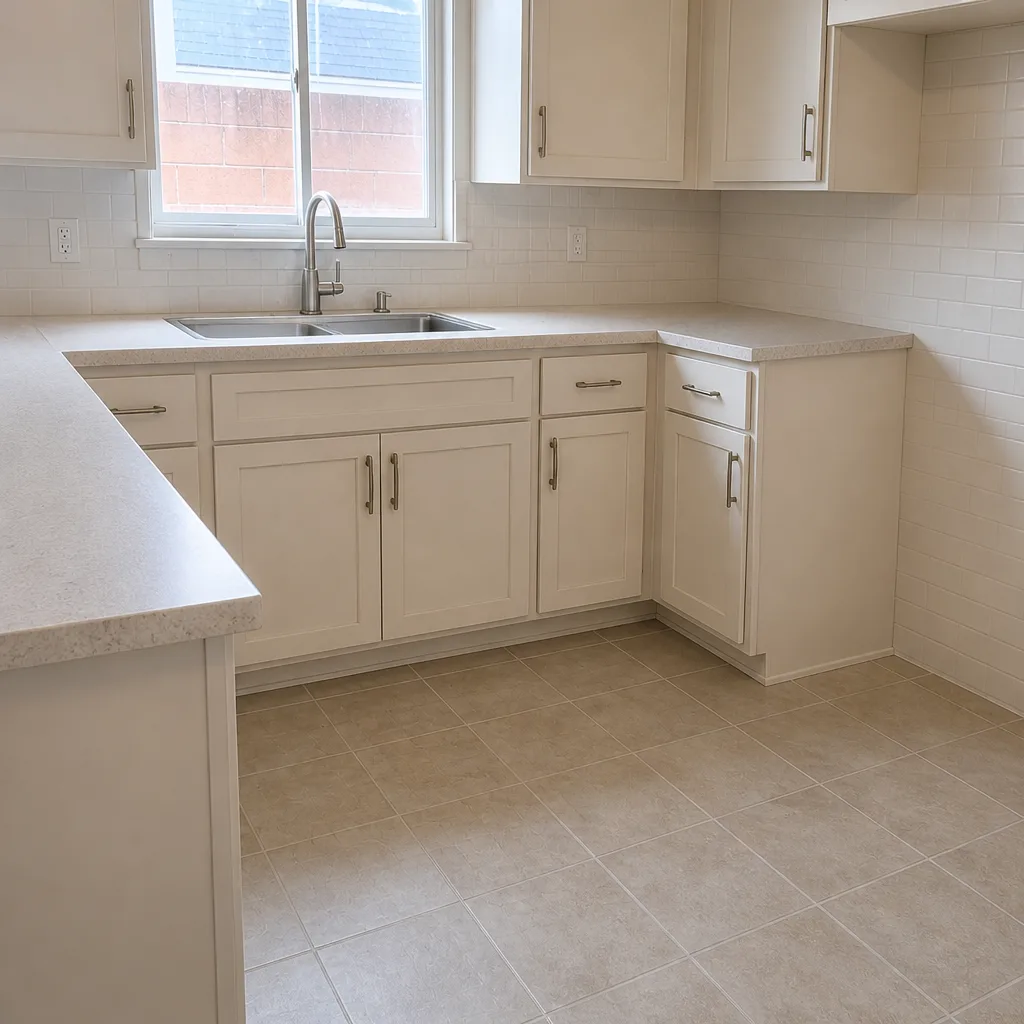
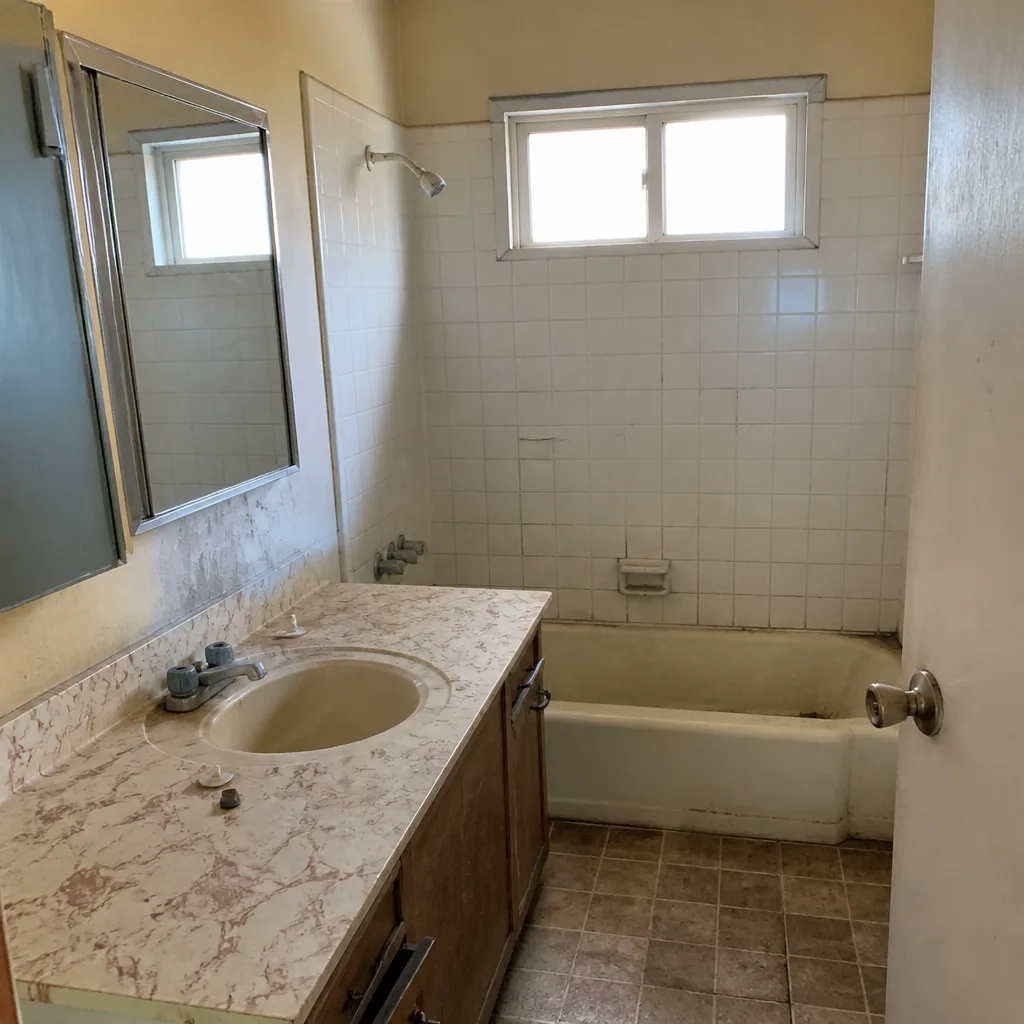
See the difference
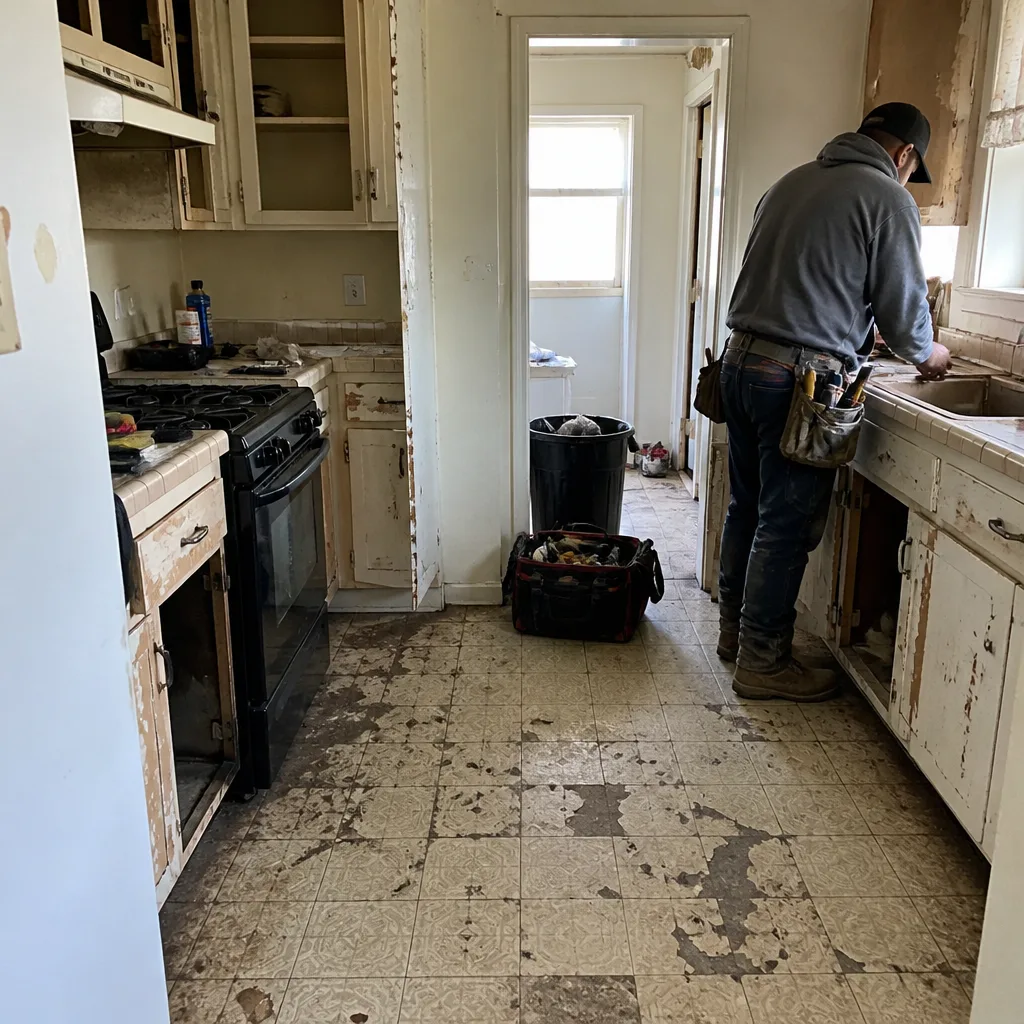 Before
 After
 Before
 After
 Before
 After
When to Call a Professional
Call a professional if you’re replacing a failed driveway, adding impervious surface, or dealing with water that pools against the garage or street. Those are the projects where base depth, drainage, and permits decide the outcome, and where the wrong build fails fast on Westminster clay. It’s also the time to call if your project crosses into fencing, windows, or an accessory unit, because those need to be planned with the driveway, not after it. Denali Contractors offers free estimates in Westminster – call (833) 749-1562. We answer 24/7. Fast dispatch from 7am to 7pm, Sunday through Friday. We put the numbers in a written line-item quote, and the written estimate sets the final price.
Frequently Asked Questions
A typical installed paver driveway in Westminster runs roughly $12 to $28 per square foot, depending on material and base depth, with the written estimate setting the final price. Call (833) 749-1562 for an exact quote – estimates are free.
Because Westminster’s expansive clay soil swells and shrinks seasonally, and a deeper compacted aggregate base spreads vehicle loads and buffers that movement. The national minimum is written for stable subgrades; a 6-inch compacted base is the local standard for good reason.
Maybe. A straight replacement often doesn’t, but adding impervious surface, changing grading, or touching the public right-of-way can trigger a grading or stormwater review. Ask the city’s building department and get the answer in writing before work starts. Call (833) 749-1562 and we’ll walk through what your project likely needs.
Not with a written line-item quote that separates base prep, material, and installation – what you approve is what you pay. Fixed pricing with no change orders applies unless you approve a scope change. Call (833) 749-1562 for a free estimate.
Most residential driveway projects take several days, split between demolition, base prep, and paver installation, with base prep taking the largest share. The exact timeline goes in your written estimate. Call (833) 749-1562 to schedule a free estimate.
Many Westminster communities restrict color, material, and finish, and some name approved product lines. Read your CC&Rs, submit an architectural request, and confirm approval before ordering. Call (833) 749-1562 and we’ll help you find a compliant product within our brand range.
The Bottom Line
Westminster driveways live or die on what’s under them. The clay soil demands a deeper compacted base, an actual drainage plan, and separation fabric – and the deeper base is the cheapest part of the build to get right and the most expensive to skip. Once the base is right, concrete pavers, travertine, and permeable systems all have their place, and real material choice within brands you already trust makes the decision easier. Check your HOA and permit status first, ask for a line-item quote that separates base from pavers, and keep the joints and drainage maintained after install. Call (833) 749-1562 to schedule your free estimate; we answer 24/7, with fast dispatch from 7am to 7pm, Sunday through Friday.
Written by the team at Denali Contractors.