
Last updated November 17, 2026
 Kitchen remodeling
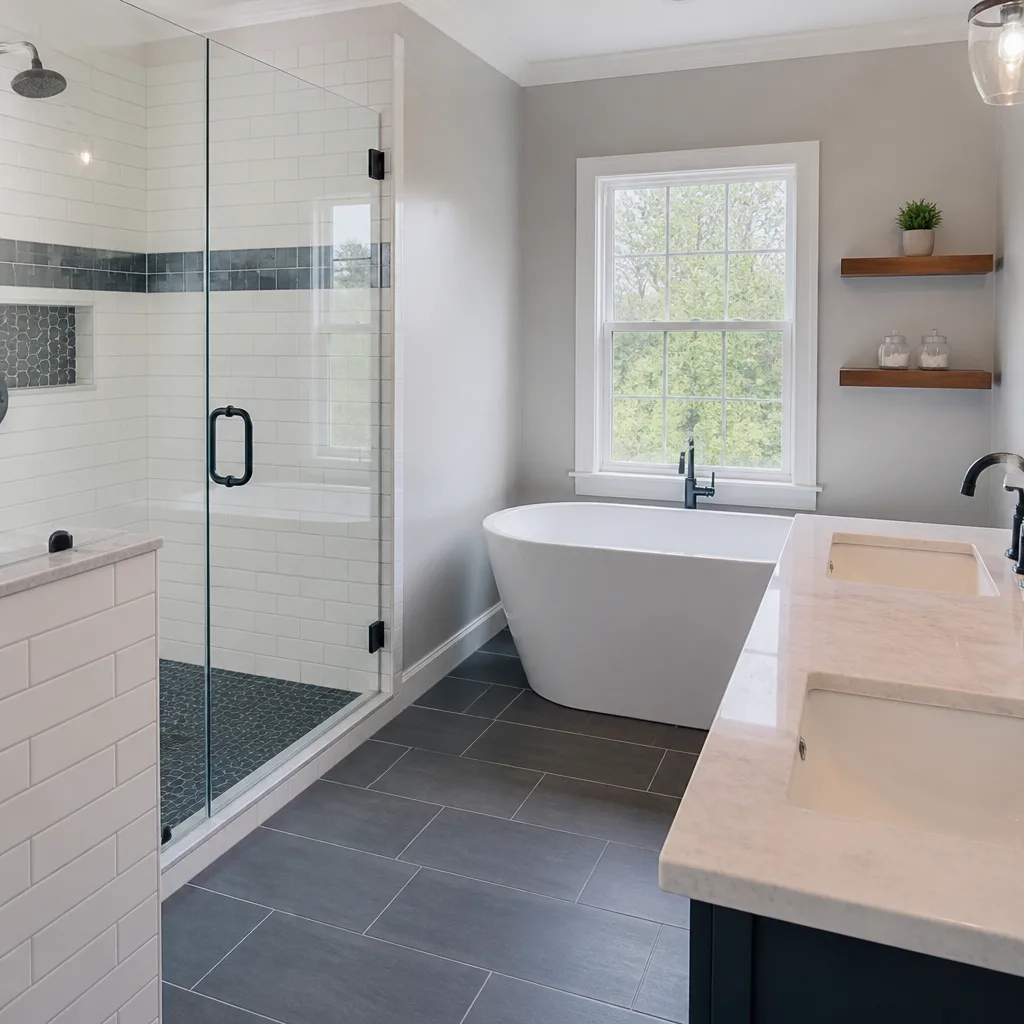 Bathroom remodeling
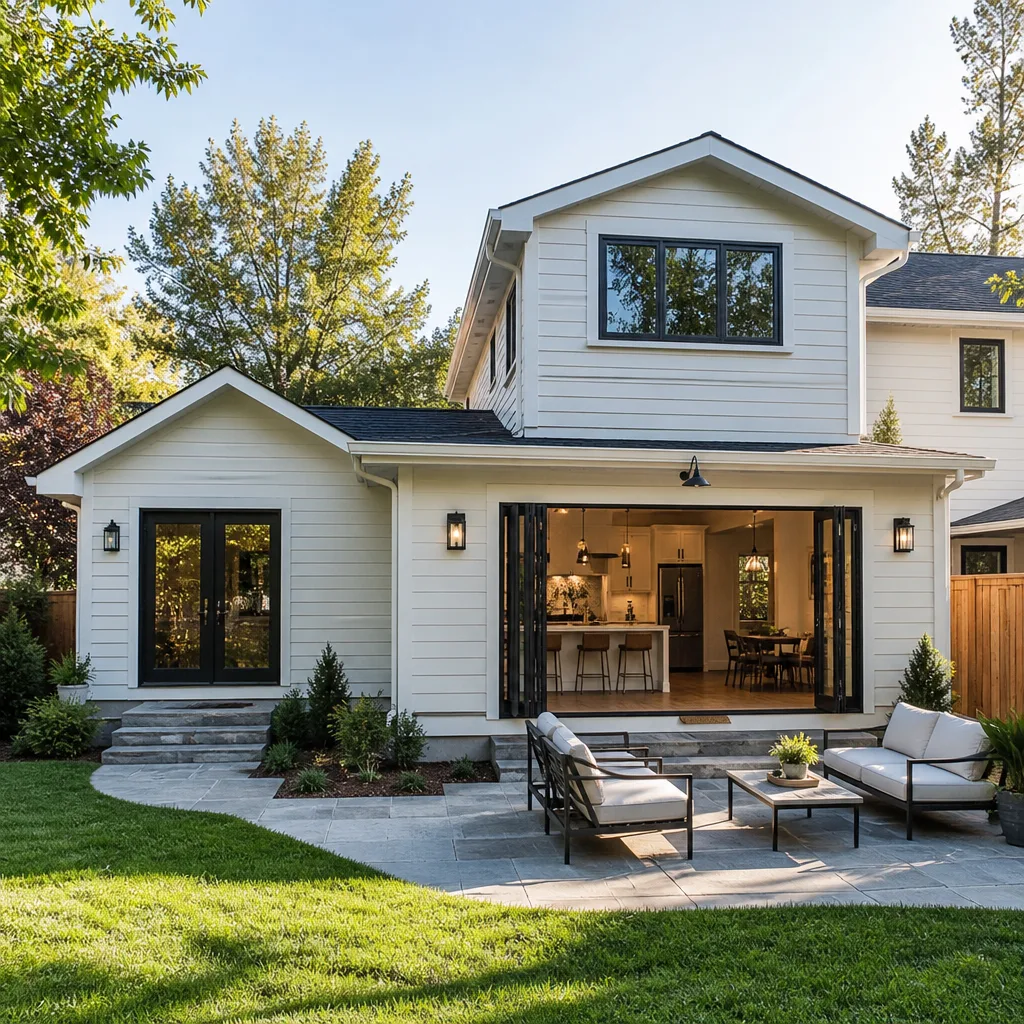 Home additions & ADU
 Roofing
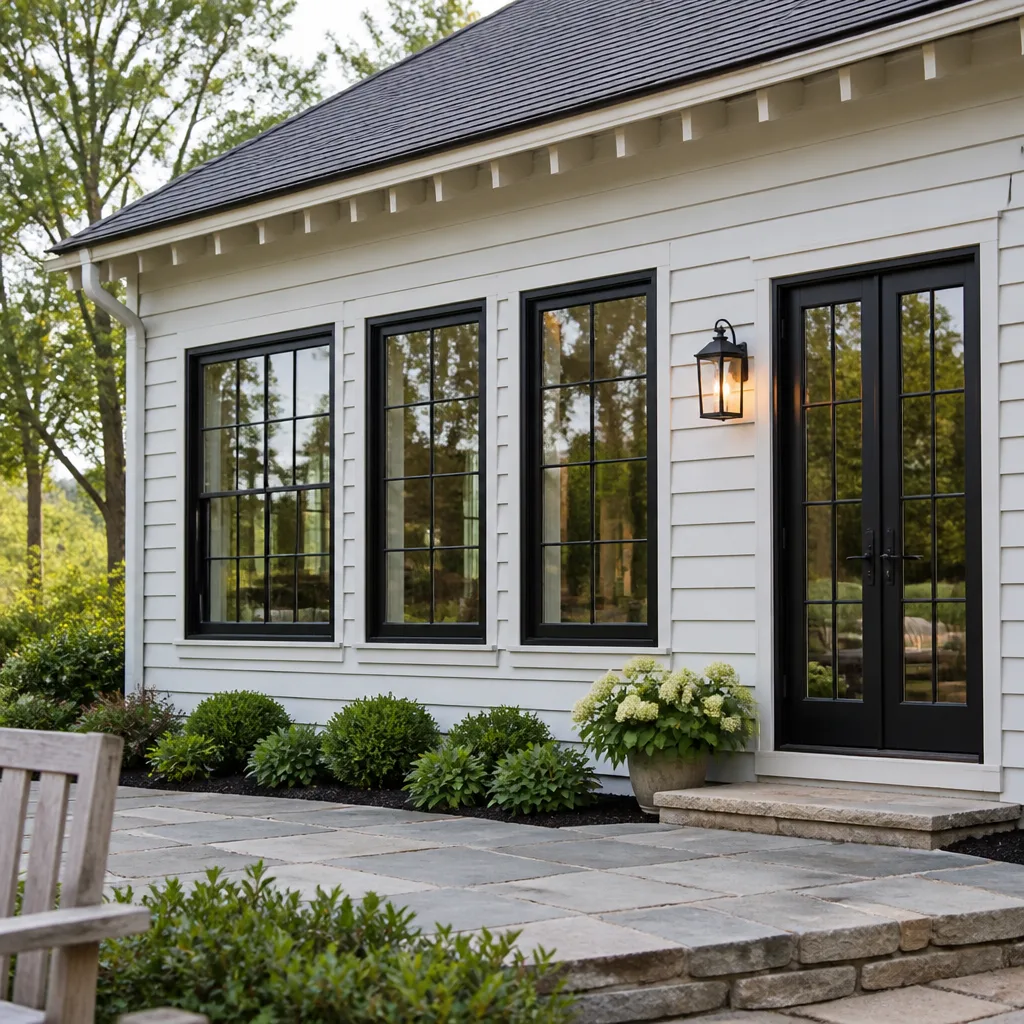 Windows & doors
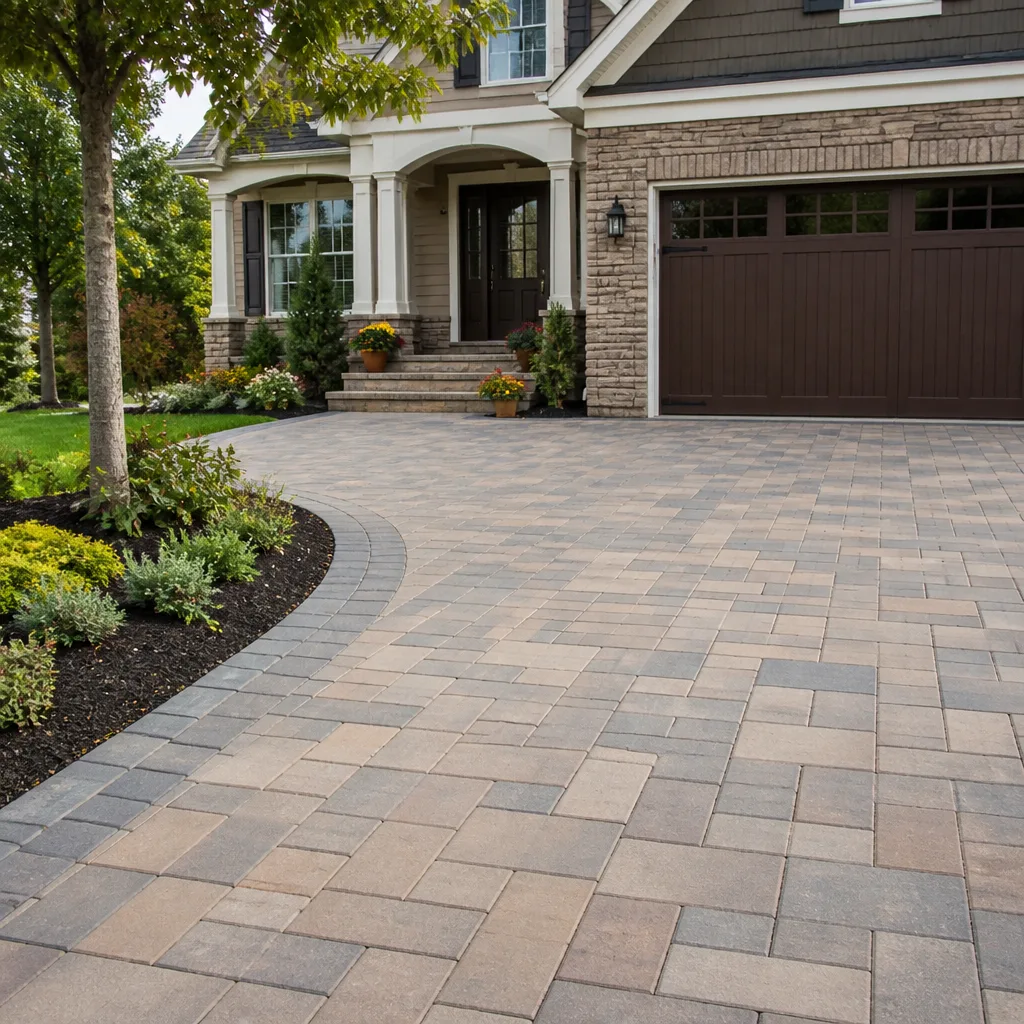 Driveway & pavers
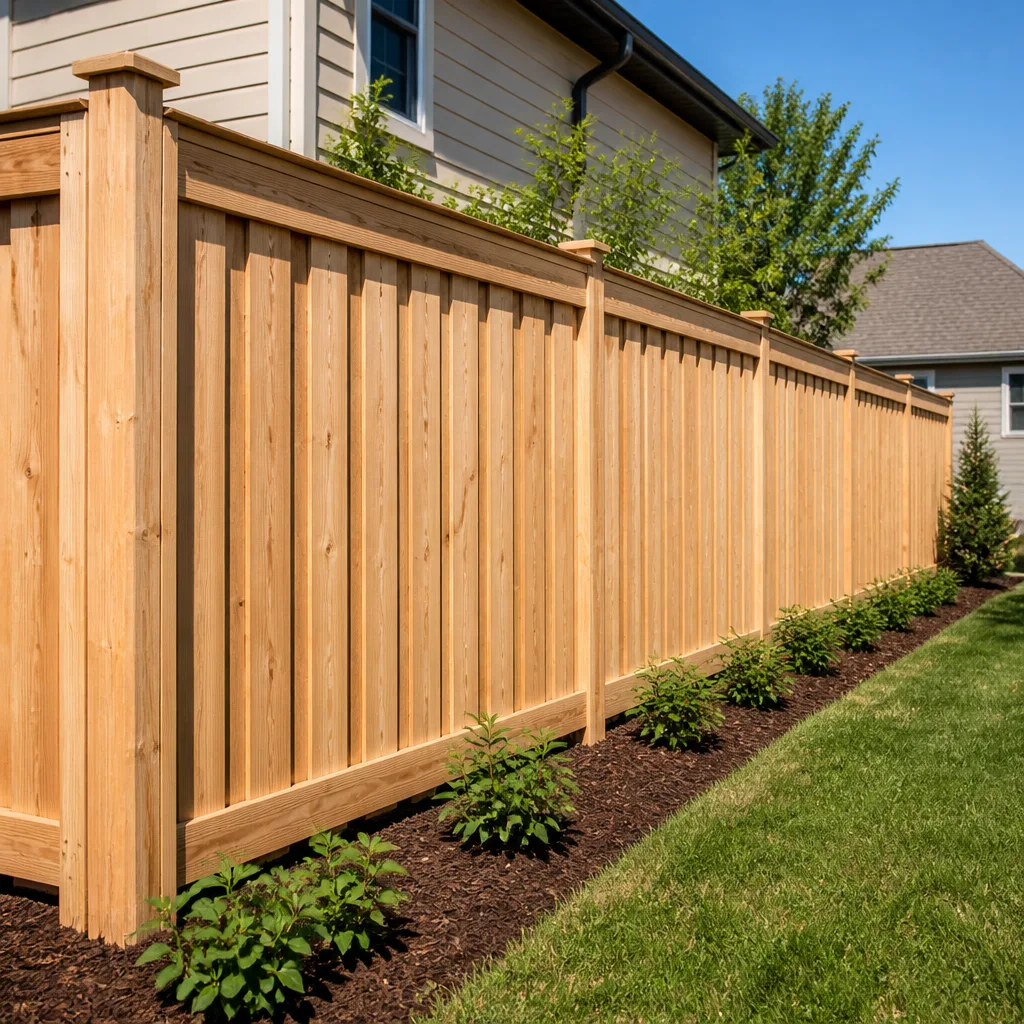 Fence
Free written scope consultation - allowances, timeline, and change-order rules on paper before a single trade is scheduled
Choosing the Right Construction Brand: A Buyer’s Guide for Westminster
The most-advertised shingle in the country is built to self-clean: it’s formulated for climates with regular rainfall that washes granules and particulate off the roof on a predictable schedule. Westminster doesn’t give a roof that courtesy. Our dry, sun-heavy year means the same shingle holds dust and debris differently, and the performance it was designed for doesn’t arrive the way the national warranty implies. That gap between marketing and local performance is what this guide is about. By the end, you’ll know how to judge a construction brand on metrics that actually matter in Westminster, and how to tell when a contractor is recommending a material for the job versus for the margin.
Quick Answer
The right construction brand in Westminster is the one whose published specifications match our climate: high UV exposure, wide daily temperature swings, alkaline soil, and low-pitch roofs common across local tract housing. Judge brands on UV resistance ratings, thermal cycling tolerance, humidity performance in cabinets and fixtures, and paver suitability for our soil, not on advertising reach or showroom polish. A contractor who can explain those specifications and connect them to your specific project is recommending a material, not a logo.
Styles & brands we work with
- Kitchen remodeling
- Bathroom remodeling
- Home additions & ADU
- Roofing
- Windows & doors
- Driveway & pavers
- Fence
Table of Contents
- How to read material specs for Westminster’s climate
- Roofing brands and low-pitch performance
- Cabinets and fixtures: humidity, not aesthetics
- Pavers, concrete, and Westminster soil
- Why contractor recommendations outweigh review sites
- The questions that expose a bad recommendation
- Why one contractor for the whole property works better
- Frequently asked questions
How to Read Material Specs for Westminster’s Climate
A construction brand’s spec sheet is written for a national audience, which means it averages across every climate in the country. Westminster doesn’t get that average treatment. Our inland-adjacent Southern California position gives us long stretches of intense sun, day-to-night temperature swings that work materials through repeated expansion and contraction, soil that runs alkaline, and a housing stock dominated by low-pitch roofs. Each of those conditions pulls on a product differently, and the brands that perform here are the ones that publish data a homeowner can check against those conditions.
Here’s what to look for when you read a spec sheet, in plain terms:
- UV resistance ratings. Any exterior product, from roofing to paint to paver finish, should list how it holds up under sustained sun exposure. A material with a strong UV rating resists chalking, fading, and surface degradation longer in Westminster’s climate.
- Thermal cycling tolerance. This describes how a material handles repeated expansion and contraction. Our temperature swings are the daily stress test, and products rated for it develop fewer cracks, seams, and joint failures over the years.
- Humidity and moisture performance. Interior products in kitchens and baths take on steam and moisture cycling. A cabinet line or fixture finish should name its moisture resistance, not just its look.
- Soil and substrate compatibility. For pavers and hardscape, the manufacturer should address how the product performs on alkaline soils and in our temperature range. That’s a real spec, not a marketing line.
If your contractor can’t point you to a spec on the actual product, that’s a signal. A real recommendation can be backed by a published number or rating. A verbal one can’t.
Roofing Brands and Low-Pitch Performance
Westminster’s tract housing means low-slope and low-pitch roofs are the norm, not the exception. That matters for brand selection because a shingle designed for a steep pitch doesn’t perform the same way on a shallow one. Wind uplift, water shedding, and debris accumulation all behave differently on a low pitch, and a brand with a strong steep-slope reputation may not have the same depth of product for the roofs that actually sit over most Westminster homes.
When you evaluate a roofing brand, these are the questions that separate a good recommendation from a convenient one:
- Does the brand publish low-pitch or low-slope performance data? Not just steep-slope specs. Ask for the rating for your actual roof pitch.
- How does the granule and surface system hold up under high UV and low rainfall? Self-cleaning claims assume rain. In a dry climate, ask how the product manages particulate buildup.
- Does the brand’s warranty address your climate? A national warranty written around rainfall self-cleaning may not address the conditions that actually age a Westminster roof.
- Is the brand’s manufacturing consistent enough to order matching replacement material years later? Roof repairs need color and profile continuity, and a brand with deep, stable production makes that easier.
Brands like GAF, CertainTeed, and Tamko all publish product data across their lines, and the right pick depends on your specific roof pitch and exposure, not on the biggest ad. Our Denali Contractors team can walk you through which roofing lines fit a low-pitch Westminster roof, and why. If you’re also rethinking your driveway while the roof is up, that’s a whole-property decision worth planning together.
Cabinets and Fixtures: Humidity, Not Aesthetics
Showrooms sell finishes. Kitchens and bathrooms actually live or die on humidity cycles, moisture exposure, and mechanical durability. A cabinet line that looks identical to another at the showroom door can age very differently once it’s behind a steam-producing range hood and beside a running shower. In Westminster, where our dry climate still produces plenty of interior moisture cycling in kitchens and bathrooms, the difference is measurable over years.
Here’s how to evaluate cabinet and fixture brands on performance rather than looks:
- Cabinet construction: Ask about the box material, the shelf construction, and the drawer glide and hinge ratings. A brand like KraftMaid or Wellborn publishes those specs. A cabinet that doesn’t have them is a question mark, not a bargain.
- Finish durability: A cabinet finish should be rated for moisture and for cleaning, not just for color. Finishes that fail in wet zones show up at the edge seams and around the sink base first.
- Fixture brand tiers: Kohler, Grohe, Toto, Moen, and Blanco build across multiple price tiers, and the spec tier matters more than the name. A brand’s entry-level faucet and its premium faucet share a logo but not a cartridge, valve, or finish process.
- Replacement part availability: Ask how long the brand supports parts and finishes. A beautiful fixture with no parts path in five years is a fixture you’ll replace.
The pattern should be familiar by now: a real benchmark the manufacturer publishes, and a contractor who can point you to it. When our team recommends a bathroom or kitchen fixture line, we can tie the recommendation to the published spec that applies to your room.
Pavers, Concrete, and Westminster Soil
Pavers are where climate and soil converge into the sharpest test. Westminster’s soil profile is alkaline, and our temperature swings work hard on any hardscape. A paver that’s fine on a neutral-soil lot somewhere else in the country can develop efflorescence, finish degradation, or freeze-crack issues in a broader climate. Here there’s no freeze, but the thermal movement and alkaline soil are real stressors, and the paver brand should have a product line built for those.
What to check on a paver brand before you commit:
- Thermal expansion data. The product should specify how much it moves with temperature change. Lower movement means fewer joint failures and a driveway that stays flat.
- Alkaline soil compatibility. Ask the manufacturer’s position on efflorescence and chemical resistance in alkaline conditions. A brand with a documented position is a brand that has thought about it.
- Compressive strength and absorption ratings. Those are the objective markers of whether a paver is a driveway-grade product or a decorative accent.
- Color stability. Our UV exposure is the long test, and a paver finish should be rated for fade resistance, not just for a pretty installed photo.
Belgard, Unilock, Techo-Bloc, Tremron, and Cambridge Pavers all publish product data across their lines, and the right pick for your Westminster property depends on which line matches our soil and swing profile, not on which one has the biggest display at the hardscape yard. Our driveway & pavers service is where we put that selection to work.
Why Contractor Recommendations Outweigh Review Sites
Online review sites are excellent at telling you whether a contractor showed up on time and cleaned up well. They are terrible at telling you whether a specific product brand will perform on your soil and in your climate. Reviews measure experience, not engineering. A five-star review for a paver install in a different climate is exactly that: a five-star install somewhere else.
A contractor’s material recommendation carries more weight than a review site because a good contractor has seen the product age, not just arrive. Here’s how to tell whether the recommendation is for performance or for margin:
- Performance recommendation: The contractor can cite the spec, name the rating, and explain why the product fits your specific conditions. They may recommend a brand you’ve never heard of if the data supports it. They’ll also offer an alternative and explain the tradeoff.
- Margin recommendation: The contractor pushes one brand hard, dismisses every alternative as “not as good,” and can’t cite a single spec number. They talk about the brand’s reputation, not the product’s data. They may steer you away from a brand you asked about without a specific reason.
One more practical test: does the contractor’s brand access extend across your whole project? A single-source contractor who can work with more than 50 vetted manufacturer brands across roofing, windows, kitchens, bathrooms, pavers, fencing, and ADU systems has no reason to push one line. A contractor locked to two brands has a very clear reason to.
The Questions That Expose a Bad Recommendation
You don’t have to become a materials engineer to protect yourself. You just need five questions and the willingness to ask them before you sign. The way a contractor answers separates the ones who know their products from the ones who know their sales pitch.
- “What’s the published spec on this product for UV exposure and thermal cycling?” A confident answer names the rating. A vague answer means the recommendation was never based on data.
- “Why this brand over the two obvious alternatives?” They should have a specific answer. “It’s what we always use” isn’t one.
- “How does this product perform on our low-pitch roof / alkaline soil / dry climate?” The question is local, and so should the answer be.
- “What’s the parts and warranty path on this product in five to ten years?” A brand that stands behind its products publicly can be checked. A brand with no path is a risk.
- “Can I see the written line-item spec before I commit?” A written estimate that names the product and line is a contractor who has nothing to hide.
Ask these before every material decision, not just the big one. The pattern of answers across a whole project tells you more than any single one does.
Why One Contractor for the Whole Property Makes Brand Selection Easier
Most Westminster homeowners end up juggling three or four specialty contractors on a meaningful project: one for the roof, one for the paver driveway, one for the kitchen, one for the windows. Each of those contractors has a different brand access, a different recommendation pattern, and a different incentive. And each one will tell you the other’s material was the wrong call. The coordination overhead is real, and so is the material inconsistency that comes with it.
A single contractor handling the full envelope changes the calculus. When one relationship covers fence installation, a home additions & ADU, a full kitchen remodel, window and door replacement, and the roofing and driveway work, the brand recommendation comes from someone who has to live with the outcome on all of it. There’s no incentive to push you toward a product that performs on one surface and fails on another. The alignment is built into the scope.
That’s the pattern our brand access is designed around. You get real material choice instead of a take-it-or-leave-it spec sheet, and the recommendation is tied to the whole property.
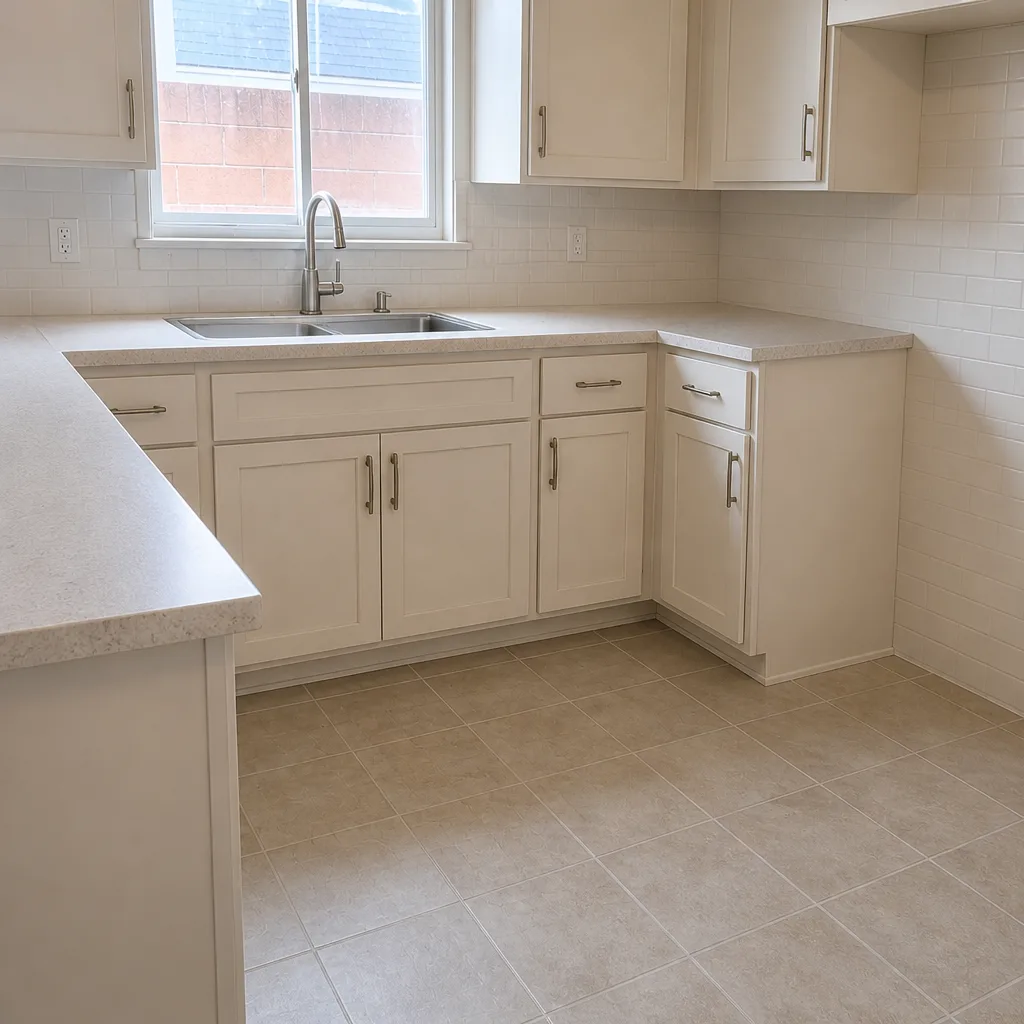
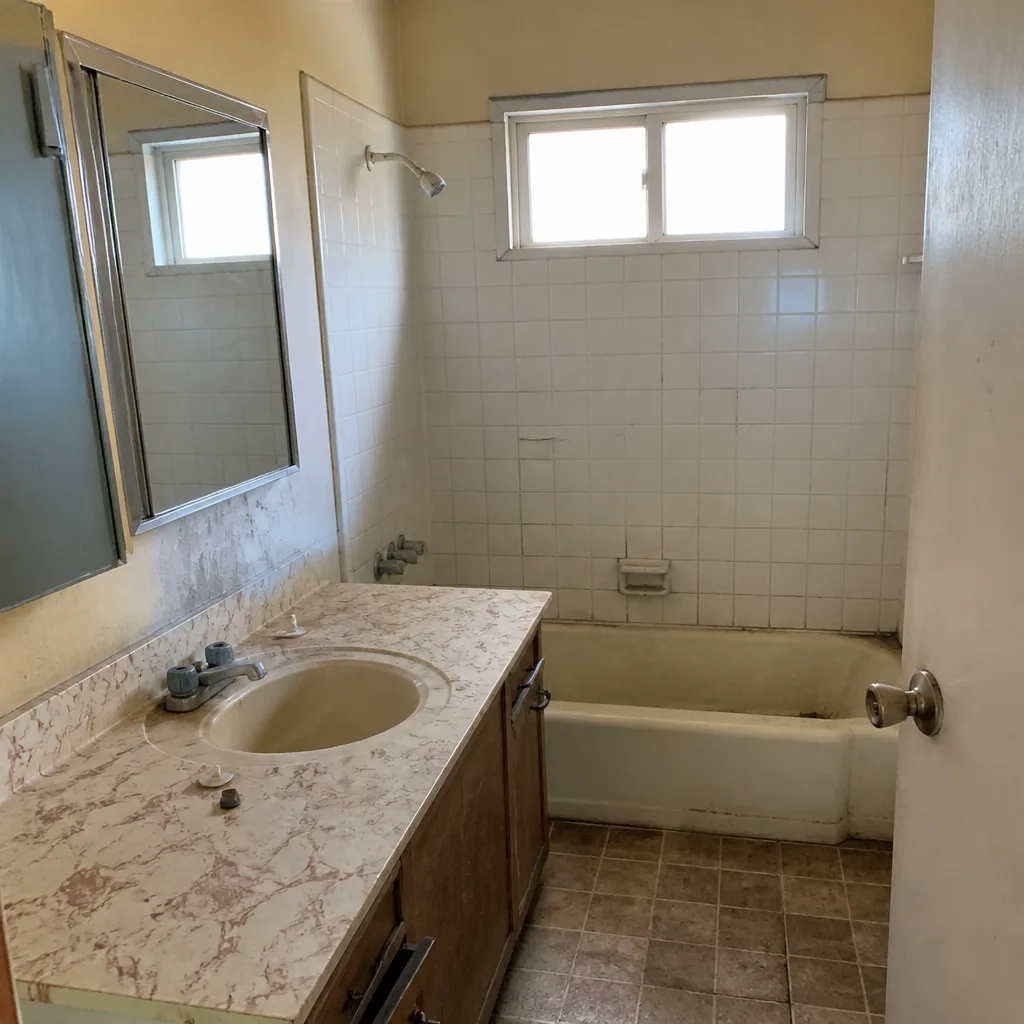
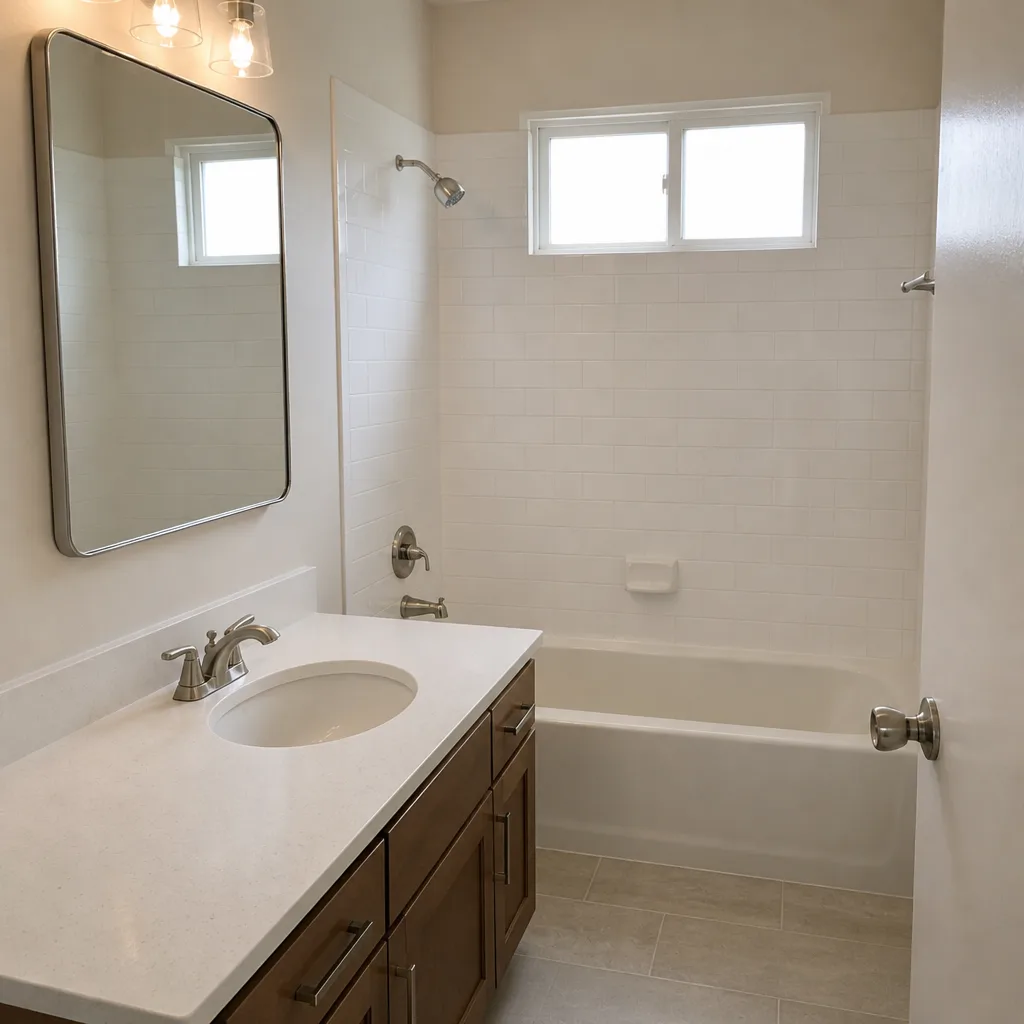
See the difference
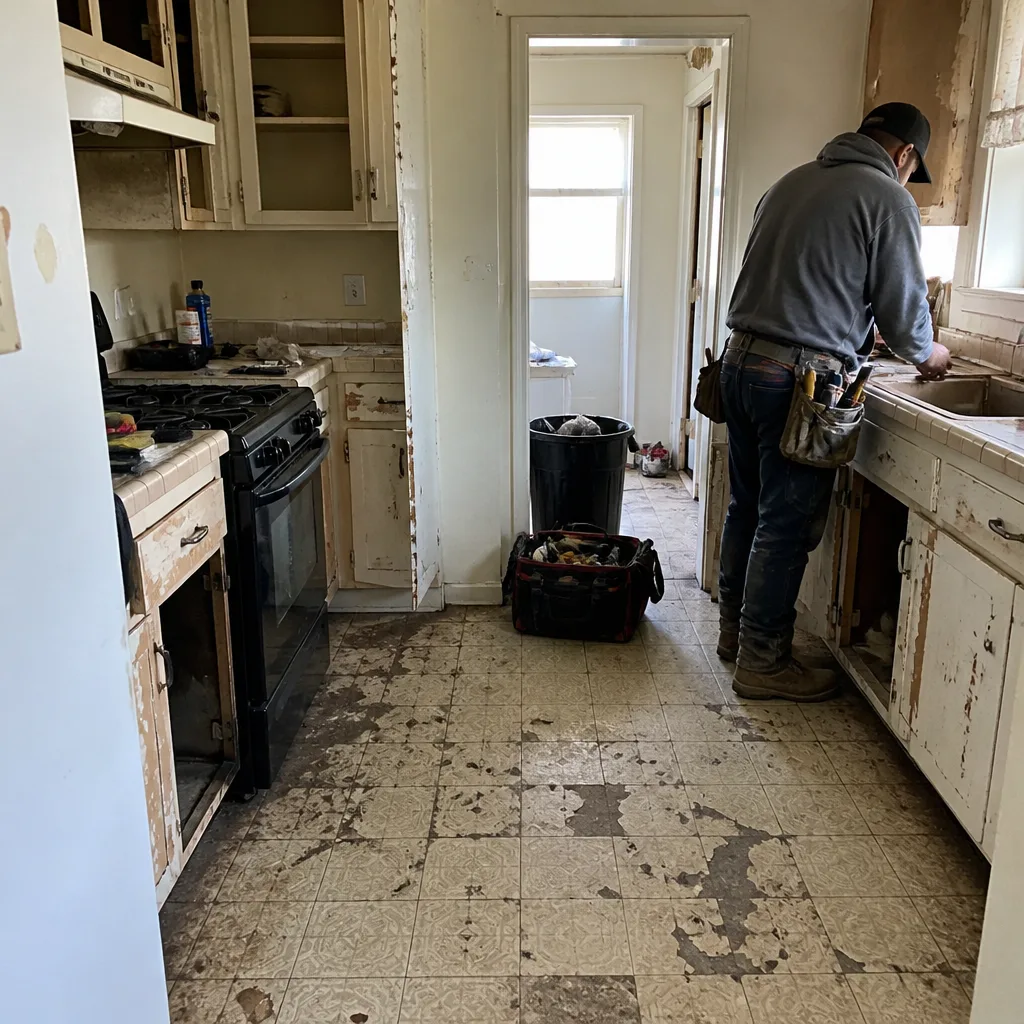 Before
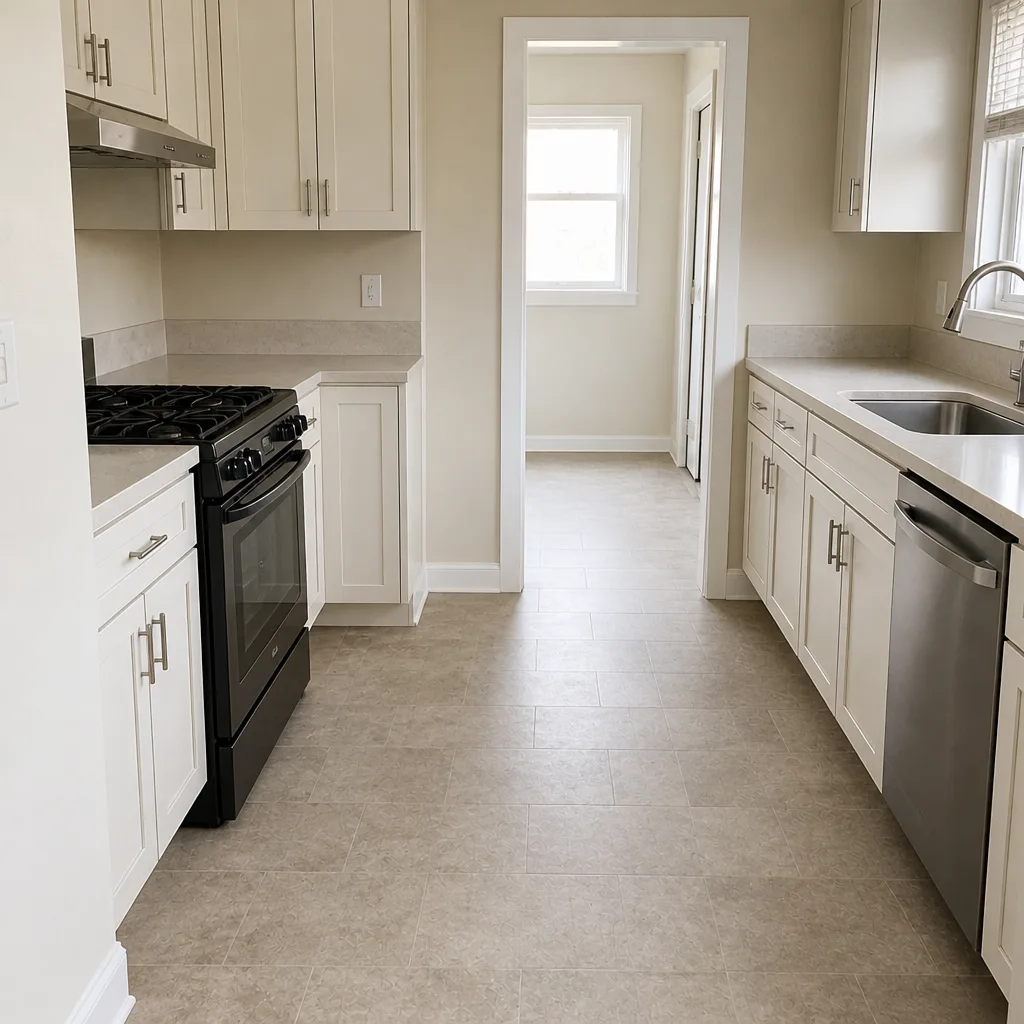 After
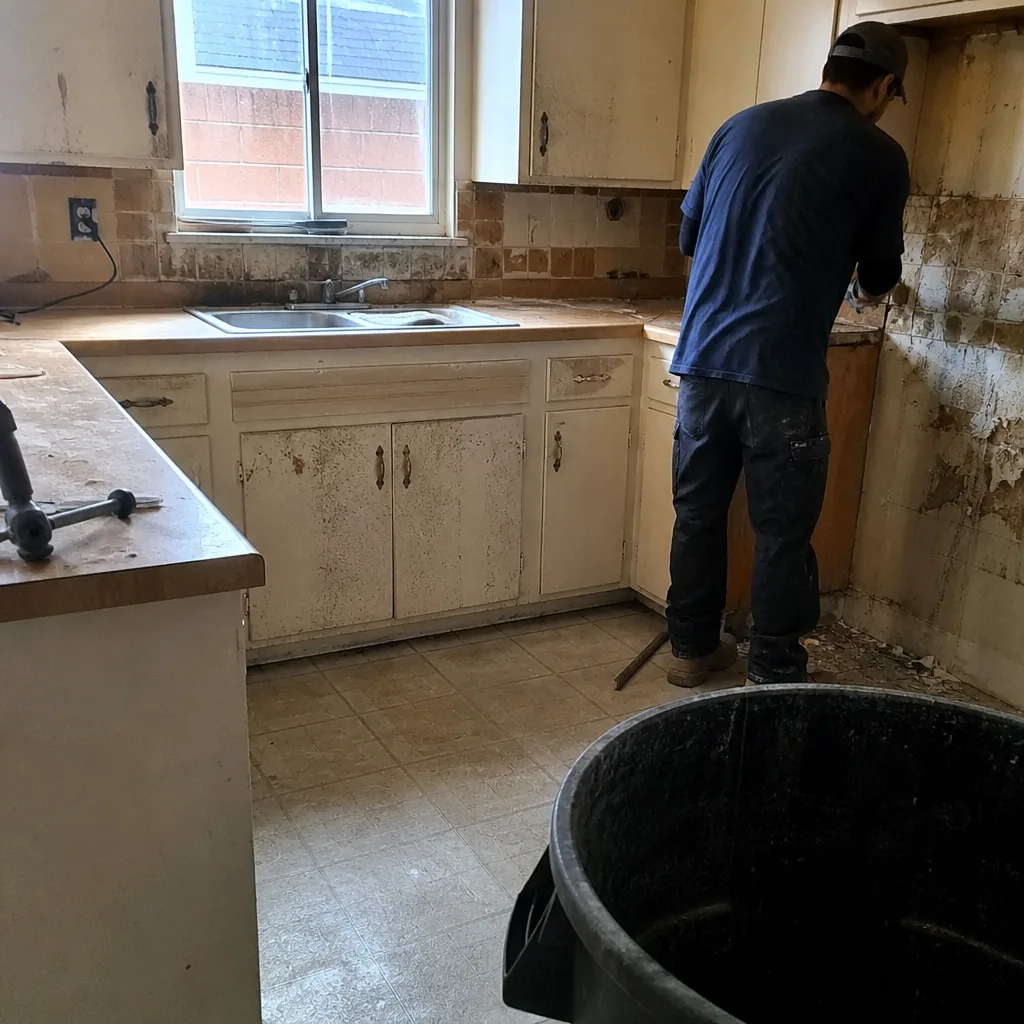 Before
 After
 Before
 After
Common Mistakes to Avoid
- Choosing a brand by advertising reach. The most-marketed roofing brand is not automatically the best-performing brand on a low-pitch Westminster roof. The ad budget and the local performance data are two different things.
- Judging cabinets by the showroom finish. A cabinet line’s box construction, glide rating, and moisture handling determine how it ages in a steam-heavy kitchen. The finish is the last thing that fails.
- Assuming pavers are interchangeable. Alkaline soil and our temperature swings make paver selection a spec decision. Two pavers that look the same installed can age very differently on the same driveway.
- Treating a review site as a materials guide. Reviews measure contractor experience, not product engineering. A five-star paver install in another climate tells you nothing about a Westminster driveway.
- Skipping the written spec. A verbal material recommendation is unverifiable. A written line-item estimate that names the product and the line is the only version you can actually hold someone to.
- Mixing specialists without a shared material plan. When the roofer, the paver crew, and the kitchen contractor each pick their own brand independently, the property ends up with mismatched materials and no single accountability.
- Ignoring the parts and warranty path. A brand with no replacement parts path in five years turns a minor repair into a full replacement. Ask before you commit.
When to Call a Professional
Call a professional the moment you’re making a material decision you can’t verify on your own. If a contractor has recommended a specific brand and you can’t find the published spec, that’s the call. If your project spans multiple surfaces (a roof, a driveway, a kitchen, a fence line), that’s the call. If you’re comparing a low-pitch roof product against a national warranty that doesn’t address our climate, that’s the call. If you’ve been handed three conflicting recommendations from three specialists, that’s the call.
Denali Contractors offers free estimates in Westminster, with written line-item quotes that name the product and the line so you can verify every recommendation. We work with over 50 vetted manufacturer brands across the full property. Call (833) 749-1562. We answer 24/7. Fast dispatch from 7am to 7pm, Sunday through Friday. The estimate is free, and the written estimate sets the final price.
Frequently Asked Questions
There isn’t a single best brand, and any contractor who tells you there is hasn’t read the spec sheet. The right brand depends on your project’s specific climate exposures: UV strength, thermal cycling, soil alkalinity, roof pitch, and interior moisture. A brand should be judged on its published performance data for your conditions, not its advertising. Call (833) 749-1562 for a free estimate, and we’ll walk you through which brands fit your specific project in Westminster.
National warranties are often written around a climate with regular rainfall that self-cleans granules and particulate off the roof. Westminster’s dry, sun-heavy year doesn’t deliver that self-cleaning, so the product ages differently than the warranty anticipates. The warranty covers materials, not climate performance. Ask your contractor how the product manages particulate buildup in a dry climate before you commit.
Ask for the published spec. A performance recommendation cites a rating, names the tradeoff against an alternative, and can be verified. A margin recommendation pushes one brand hard, dismisses alternatives vaguely, and can’t name a single spec number. The written line-item estimate is the tell: a contractor who names the product and the line has nothing to hide. Call (833) 749-1562 to schedule a free estimate, and we’ll show you the specs behind every material we recommend.
Yes, and the difference shows up in efflorescence, joint failure, and finish degradation over the years. Our alkaline soil and daily temperature swings put real stress on any hardscape product. Belgrad, Unilock, Techo-Bloc, Tremron, and Cambridge Pavers all publish the ratings you need to compare: thermal expansion, absorption, compressive strength, and color stability. Ask for those numbers, not the installed photo. Call (833) 749-1562 for a free estimate on a paver project in Westminster.
One contractor can handle all of it, and that’s usually the better path. When one team covers the roof, the driveway, the kitchen, the bathroom, the windows, the fence, and any ADU or addition, the brand recommendation is made by someone accountable for the whole property. That eliminates the coordination overhead and the mismatched materials that come from juggling specialists. Our team works with more than 50 vetted brands across every service line so the recommendation is never locked to one vendor. Call (833) 749-1562 to schedule a free estimate.
No, the written estimate sets the price. We give you a free, written line-item quote that names the product and the line for every material, so there are no change orders on brands you already approved. If you want a different product line mid-project, we’ll quote the change in writing before any work moves forward. Call (833) 749-1562 for a free estimate, and we’ll put the material spec in writing.
The Bottom Line
The construction brand on the box, the shingle, or the showroom display is the least useful thing to judge a product by. What matters in Westminster is the spec that sits behind the logo: how the material handles our UV, our temperature swings, our alkaline soil, and our low-pitch roofs. Judge cabinet lines on moisture performance, roof brands on low-slope data, paver brands on soil and thermal ratings. Watch how your contractor recommends a brand and whether they can cite a spec. And when you’re ready to take the guesswork out of the material decision, call (833) 749-1562 for a free estimate with a written, line-item quote.
Written by the team at Denali Contractors.