
Last updated November 17, 2026
 Home additions & ADU
 Kitchen remodeling
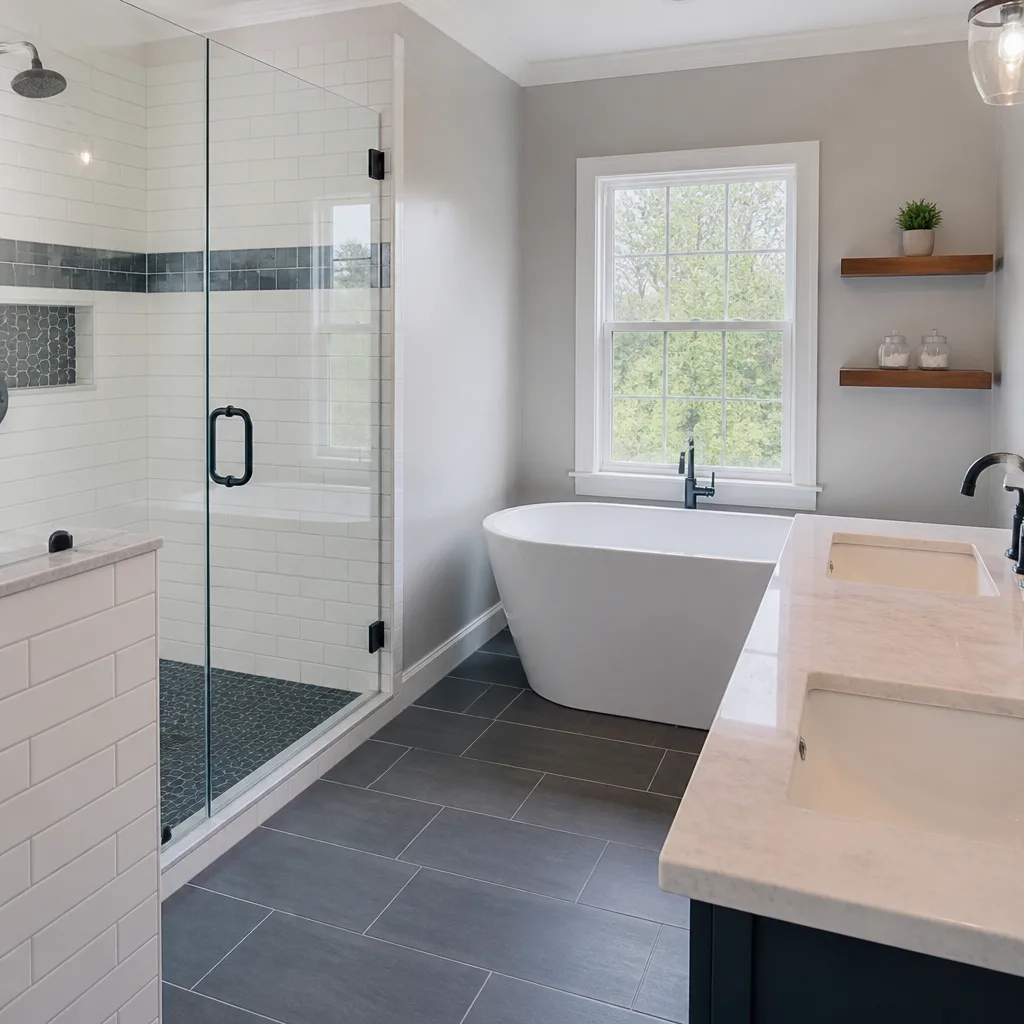 Bathroom remodeling
 Roofing
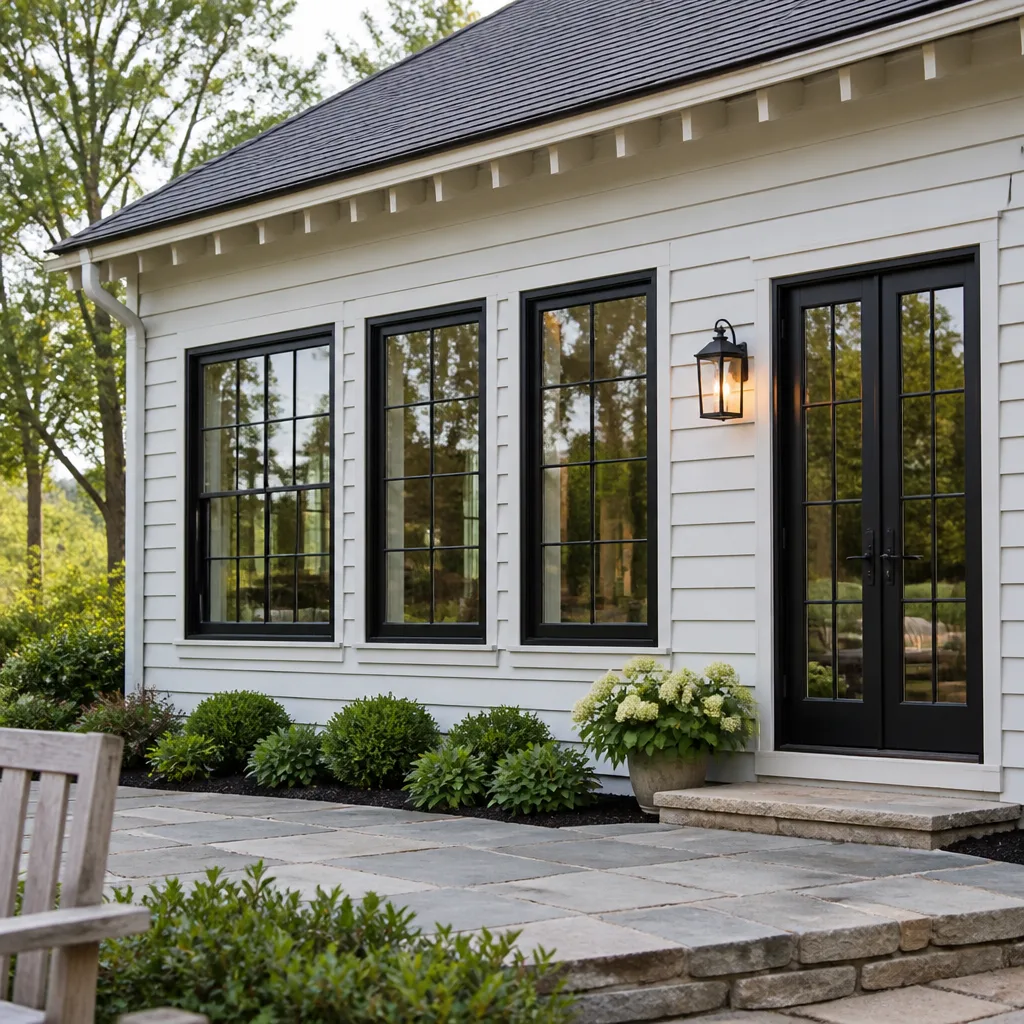 Windows & doors
 Driveway & pavers
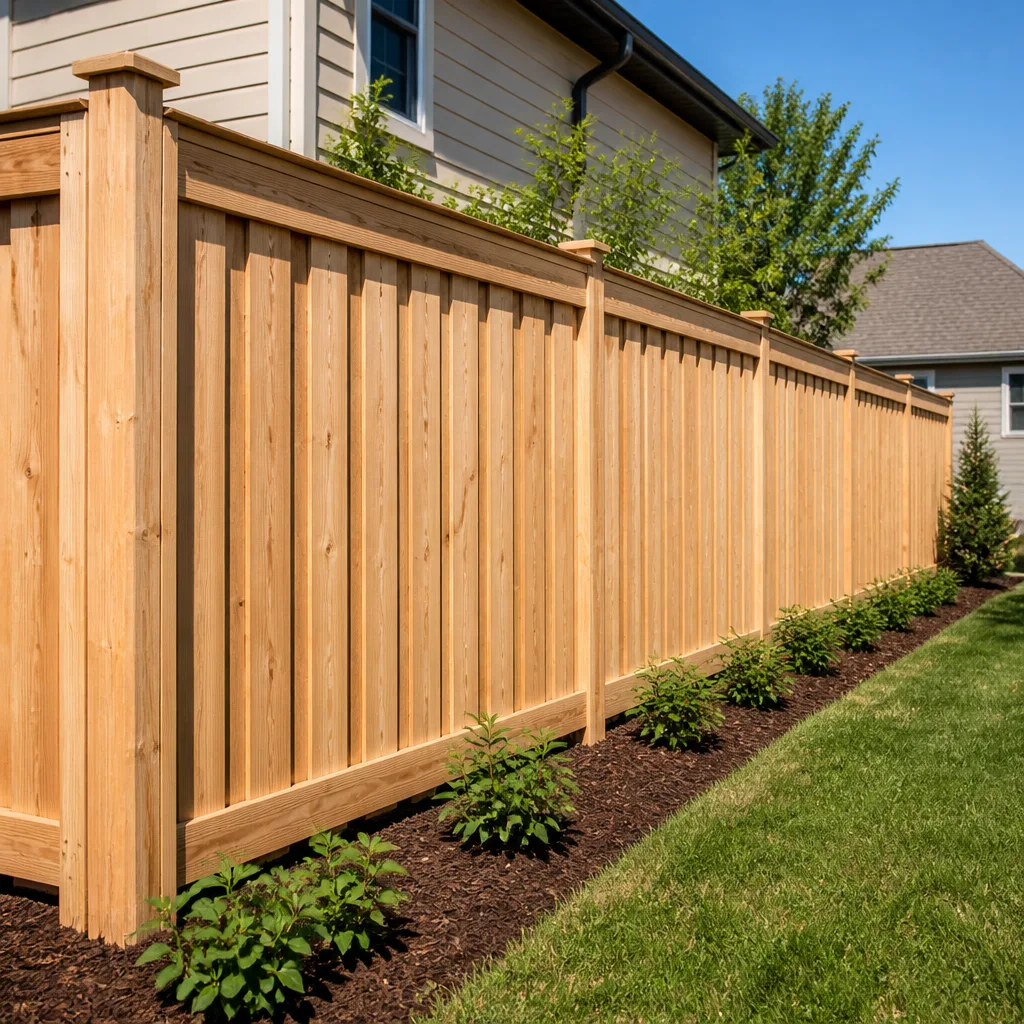 Fence
Free written scope consultation - allowances, timeline, and change-order rules on paper before a single trade is scheduled
Seasonal Construction Care for Westminster: Year-Round Homeowner’s Guide
Most seasonal maintenance advice was written for a place with four distinct seasons, and it doesn’t fit Westminster. Here, the weather doesn’t announce itself. Rain is scarce, summer heat is steady rather than dramatic, and the marine layer rolling in overnight does quiet work on wood and paint that nobody notices until a fence board softens or caulk pulls away from stucco. The damage in this climate is cumulative and slow, which is exactly why it gets skipped. This guide reframes home care around Westminster’s real climate triggers – the dry stretch, the intense rain bursts, the humidity cycle – so you know what to inspect and when, and how to schedule work before a small problem becomes a project.
Quick Answer
The highest-leverage time to prepare a Westminster home is October through November, before the short, intense rainy window that runs roughly December through March. That’s when roofing, gutters, and drainage deserve a close look. Spring and early summer are the better windows for exterior painting, concrete sealing, and fence work, when temperatures are mild and the marine layer has settled into a predictable rhythm. Everything else – inspection, logging, planning – fits in the dry months in between.
Styles & brands we work with
- Kitchen remodeling
- Bathroom remodeling
- Home additions & ADU
- Roofing
- Windows & doors
- Driveway & pavers
- Fence
Table of Contents
- Why Westminster’s Climate Changes the Maintenance Calendar
- The Pre-Rain Window: October and November
- Summer UV and Heat: What a Hot Season Does to Your Exterior
- The Marine Layer and Your Home’s Wood, Stucco, and Caulking
- Spring: The Best Window for Paint, Concrete, and Fencing
- Building an Annual Maintenance Log That Actually Gets Used
- How Each Project Type Fits the Seasonal Calendar
- When to Call a Professional
Why Westminster’s Climate Changes the Maintenance Calendar
Westminster receives fewer than 15 inches of rain in a typical year, and almost none of it falls between April and November. That sounds like a gift. In practice, it means exterior surfaces spend roughly eight months baking in sun and drying out, then get hit by concentrated rain in short, heavy bursts. A roof that sheds a slow drizzle with no trouble can leak under an inch of rain in an afternoon. A driveway that looks fine in August can show standing water in January because the soil underneath has shifted.
This pattern shapes everything about how we think about seasonal care in Westminster. The usual maintenance calendar – designed for places with snow, frost, and a long wet spring – tells you to worry about things that simply don’t happen here. It also tells you to ignore the things that do. The local climate triggers that matter most are:
- Prolonged dry heat from late spring through fall, which stresses roofing membranes, paint, sealers, and wood.
- Short, intense rain between December and March, which tests every drainage path on the property at once.
- Overnight marine layer humidity in the warmer months, which keeps wood and stucco damp for hours before the sun burns it off.
- Mild temperatures most of the year, which make exterior work comfortable and materials easier to work with – but also mean deterioration is gradual and easy to overlook.
Westminster sits in a part of Southern California where these factors overlap, and that overlap is the whole story. You’re not preparing for a hard freeze or a heavy snowpack. You’re preparing for a dry season followed by a short, sharp wet one, with a humidity cycle running quietly in the background the entire time.
The Pre-Rain Window: October and November
If you do nothing else on this list, use October and November well. This is the single highest-leverage maintenance period for any Westminster home. The rain that falls between December and March rarely arrives gently. It comes in concentrated storms that overwhelm roofs, gutters, and drainage systems that have spent months dry and untested. Two months of preparation can prevent most of the water damage that shows up in January.
Here’s how we’d structure the pre-rain inspection, whether you’re doing the walkthrough yourself or having a professional out:
- Check the roof surface and flashing. Look for lifted, cracked, or missing shingles, and pay close attention to the metal flashing around chimneys, vents, and skylights. Flashing is where most leaks begin, not the field of the roof.
- Clear the gutters and downspouts. In a dry climate, gutters fill with dust, leaf litter, and granules from aging shingles. A clogged gutter doesn’t just overflow – it sends water into the fascia and the wall behind it.
- Walk the drainage paths. Confirm that water leaving the downspouts flows away from the foundation and doesn’t pool against the house. Look for soil that has settled or eroded over the dry season.
- Inspect the driveway and hardscape. Check paver joints for missing sand, look for cracks that open over the summer, and note any low spots where water will collect. A driveway & pavers review in fall catches settling before the rain turns it into a pond.
- Examine the fence line. Look for loose posts, leaning panels, and wood that has dried and shrunk over the summer. A fence installation conversation in October is far cheaper than a repair after a winter storm.
- Test every window and door. Open and close each one, check the weatherstripping, and look at the seals. This is your last easy chance before the rain reveals a leak.
Two months is enough time to schedule repairs and replacements without rushing. Call it in December and you’re already behind. Call it in October and you have options.
Safety note: If your pre-rain inspection turns up anything that involves getting on the roof itself – especially around steep pitch or high sections – leave that to a trained professional. Roof work is one of the most dangerous parts of home maintenance, and the view from a ladder isn’t worth the risk.
Summer UV and Heat: What a Hot Season Does to Your Exterior
Summer in Westminster doesn’t usually bring extreme heat, but it does bring months of steady sun with almost no rain. That combination is harder on exterior surfaces than a short heat wave would be. The sun is doing damage every day, and the dry season means nothing washes the dust and grit off. Roofing membranes, exterior paint, and driveway sealers all age faster in an unusually dry, high-UV climate than they would in a wetter one.
What we look for after a hot season in Westminster:
- Roofing: shingle granules washing down the gutters are the clearest sign of aging. Also check for blistering, cracking around pipe boots, and any shingle that has begun to curl at the edges.
- Exterior paint: chalky residue on your hand when you touch a painted surface, visible fading on the sunny side of the house, and hairline cracking near trim and joints.
- Driveway sealers: faded color, water no longer beading on the surface, and loose sand in the joints of a paver installation.
- Wood: graying, splintering, and small cracks in fence boards and decking that open up when wood dries out.
- Caulk and seals: shrinking, pulling away from the joint, or cracking at the base of stucco and around windows and doors.
The smart move is to schedule your post-summer inspection for late September or early October, right before the pre-rain window. That’s when you catch everything the hot season did, and you still have time to fix it before winter. If the paint or roofing has reached the end of its life, that’s when a real conversation about replacement happens – not in the middle of a rainstorm.
Many Westminster homeowners are surprised to hear that their roof doesn’t show its age in the wet season. It shows it in the dry one. The rain just reveals what the sun already did.
The Marine Layer and Your Home’s Wood, Stucco, and Caulking
Westminster’s proximity to the coast means overnight and early-morning humidity cycles that most of Southern California doesn’t see. The marine layer rolls in, keeps the surface of your home damp for hours, then burns off. That cycle repeats for months at a time in the warmer half of the year. Wood, stucco, and exterior caulking all react to it differently than they would in a truly dry desert climate or a wet coastal one.
A few things we’ve seen in our work around Westminster:
- Wood fencing and trim take on moisture at night and dry during the day. That expansion and contraction cycle, repeated hundreds of times a year, stresses the wood. Fence boards that look tight and solid in August can soften at the bottom over time if a post is holding moisture near the soil line.
- Stucco walls on the shaded side of a home – the north and east elevations – stay damp longer after the marine layer burns off. That’s where you see staining, mildew, and cracks that don’t appear on the sunny side.
- Exterior caulking around windows, doors, and trim is the first line of defense. When caulk fails in a marine-layer climate, moisture gets behind the wall assembly, and repairs get expensive quickly.
The practical answer is different from what works in a desert. In a very dry climate, the advice is often to add moisture to wood. Here, the advice is to keep water moving and surfaces breathing. That means checking caulk joints once a year, making sure fence posts and wood siding can dry out rather than staying wet, and choosing materials that handle a humidity cycle well.
For windows and doors, this is where product choice genuinely matters. We work with brands like Therma-Tru and Mr-Glass for door and glazing systems that hold up to a cycling humidity environment. It’s the kind of decision that pays off quietly for a decade, not something you notice in the first month. If you’re planning window or door replacement, do it in spring, when the conditions for installation and sealing are most forgiving.
Spring: The Best Window for Paint, Concrete, and Fencing
Spring is when a Westminster home gives you its best working conditions. Temperatures are mild, the marine layer has settled into a predictable pattern, and there’s still no rain in the forecast for months. That combination makes April and May the ideal window for exterior painting, concrete sealing, and fence work. Materials behave better in this range than they do in the heat of August, and you’re not racing a December storm.
If you’re planning a spring exterior project, here’s the order that works best:
- Start with fencing. Repair or replace fence panels and posts first, because fresh paint and stain need to go on after the structure is sound.
- Move to the concrete and hardscape. Seal driveways and patios once the weather is reliably mild and dry. Sealer needs a clean, dry surface and a forecast that won’t turn wet in the first 48 hours.
- Paint the exterior. Do the painting after the fencing and hardscape, so you’re not painting near fresh work that could get overspray or dust on it. Choose a stretch when the marine layer isn’t lingering too long in the morning.
- Finish with caulking and detail work. Re-caulk windows, doors, and trim once the painting is done. This is the step most homeowners skip, and it’s the one that protects everything you just paid for.
Spring is also the right time to look at your windows and doors, if they haven’t been addressed in years. Westminster homes built decades ago often have original windows that have lost their seals and don’t hold up to the local humidity cycle. A spring replacement schedule means you’re not doing the work in the rain and you’re not trying to heat or cool a house through failing glass.
We work with brands like Boral for exterior trim and ViewLux for window and door systems, and spring is when we see the best outcomes from both. If you’re considering a larger upgrade – a bathroom, kitchen, or an home additions & ADU project – spring is the right season to plan it, because design and permitting take time and you want construction to land in the dry months. It also helps to understand the sequence of a full-property upgrade and how the trades fit together; our guide on Denali Contractors services walks through the seven project types we handle.
Building an Annual Maintenance Log That Actually Gets Used
Most maintenance logs fail because they’re too complicated to maintain. A simple one works. The goal isn’t to track everything – it’s to connect what you observe each season to a contractor schedule before a small issue becomes an emergency. Here’s a structure that holds up in practice for a Westminster home.
Create a single page, physical or digital, with four sections: Roof and Drainage, Hardscape and Driveway, Fencing and Wood, and Windows, Doors, and Caulking. Every entry gets three fields:
- What you saw – a short note and the date. “Gutter full of granules, southeast corner, October.”
- What it likely means – your working theory. “Shingle aging, schedule a roofing inspection.”
- What you did about it – the action and the date. “Roofing inspection booked, estimate received, repair scheduled for November.”
Then set four dated checkpoints in your calendar:
- Late September: post-summer walkthrough, log everything the hot season revealed.
- October: book the pre-rain fixes – roofing, gutters, drainage, window seals.
- March or April: post-rain walkthrough, note what the wet season showed and what needs to change.
- April or May: schedule spring work – painting, sealing, fence, and any larger projects like a bathroom or kitchen remodel.
The point of the log is to give you a record that makes decisions easier. When a contractor asks how long a problem has been going on, you have an answer. When you’re deciding whether to repair or replace, you have a timeline. And when you’re scheduling seasonal work, you’re not guessing – you’re working from what your own home has been telling you for a year.
How Each Project Type Fits the Seasonal Calendar
Different parts of a home respond to Westminster’s seasons in different ways. Here’s how each project type fits the calendar, without forcing the whole property into one annual cycle.
Roofing. Schedule inspections in late September and any repairs in October, before the rainy window. Roof replacement is best planned for spring or early summer, when the dry forecast is reliable and materials cure cleanly. If your roof is nearing replacement, don’t wait for a leak to force the issue.
Windows and doors. Spring is the ideal season for replacement, because installation and sealing work best when temperatures are mild and the marine layer isn’t lingering all morning. Check seals in October so you know what spring needs.
Driveways and pavers. Pre-rain inspection in October, sealing and repair in spring. Paver joints should be re-sanded before winter if sand has washed out over the dry season.
Fencing. Spring for installation or major repair, October for inspection and small fixes. Wood fencing takes the most punishment from the humidity cycle, so check it twice a year.
Exterior painting. Spring is the best window. Late summer is fine if the forecast is stable and you’re not racing a rain pattern. Avoid painting in the middle of the marine-layer season if you’re working with materials that need to cure quickly.
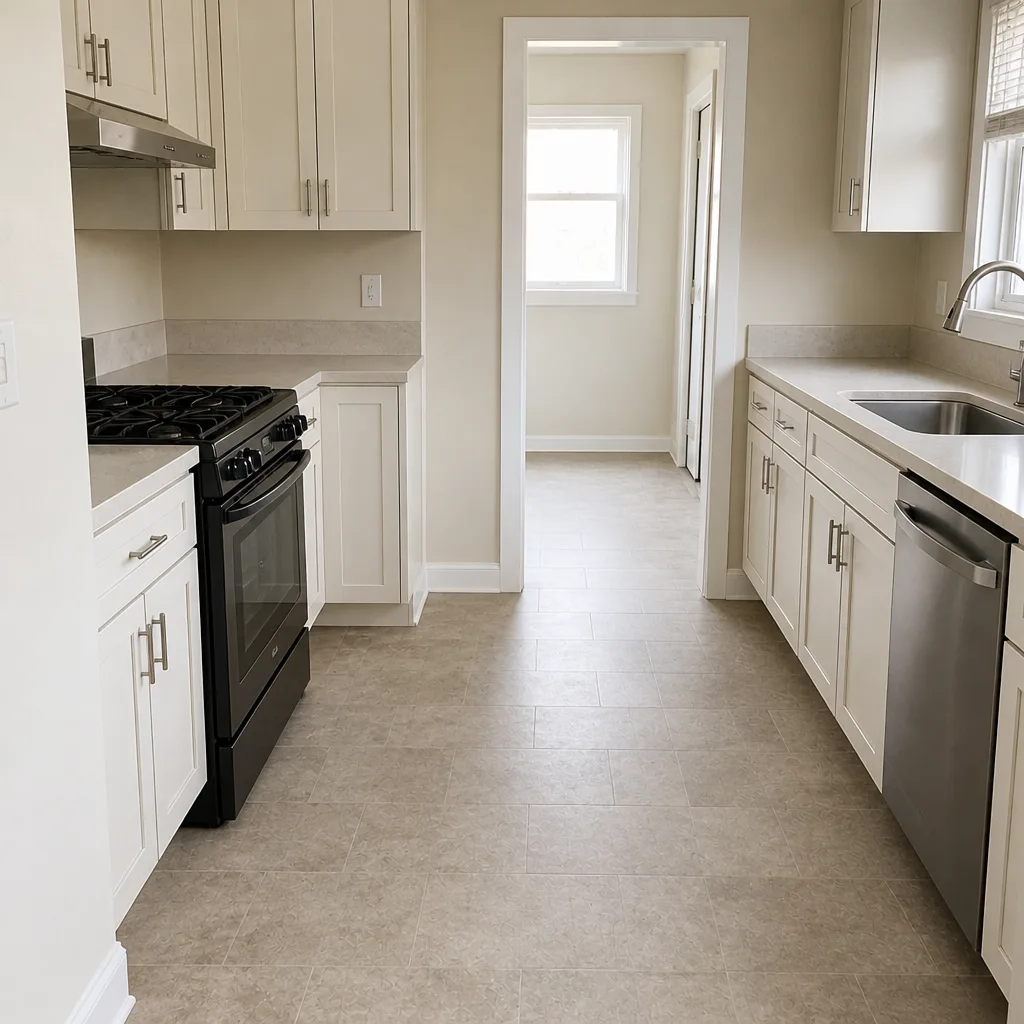
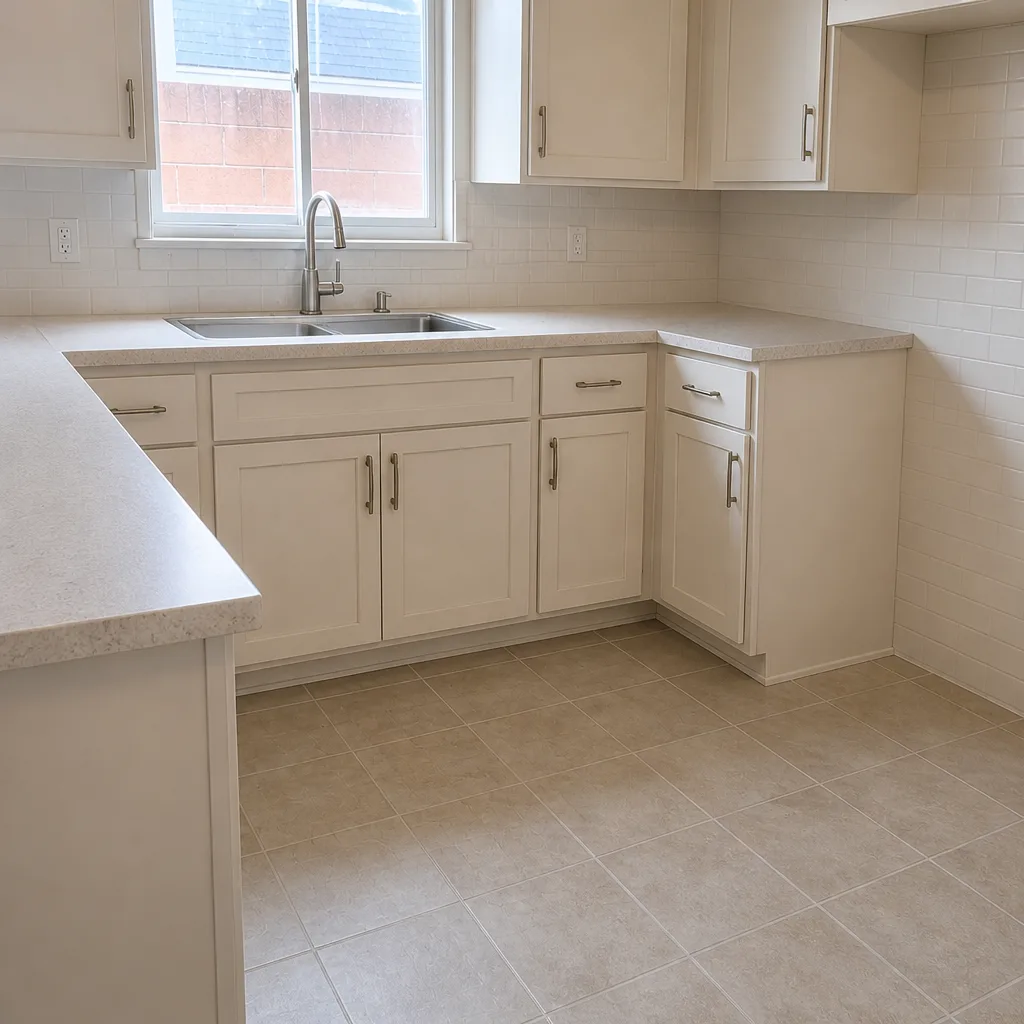
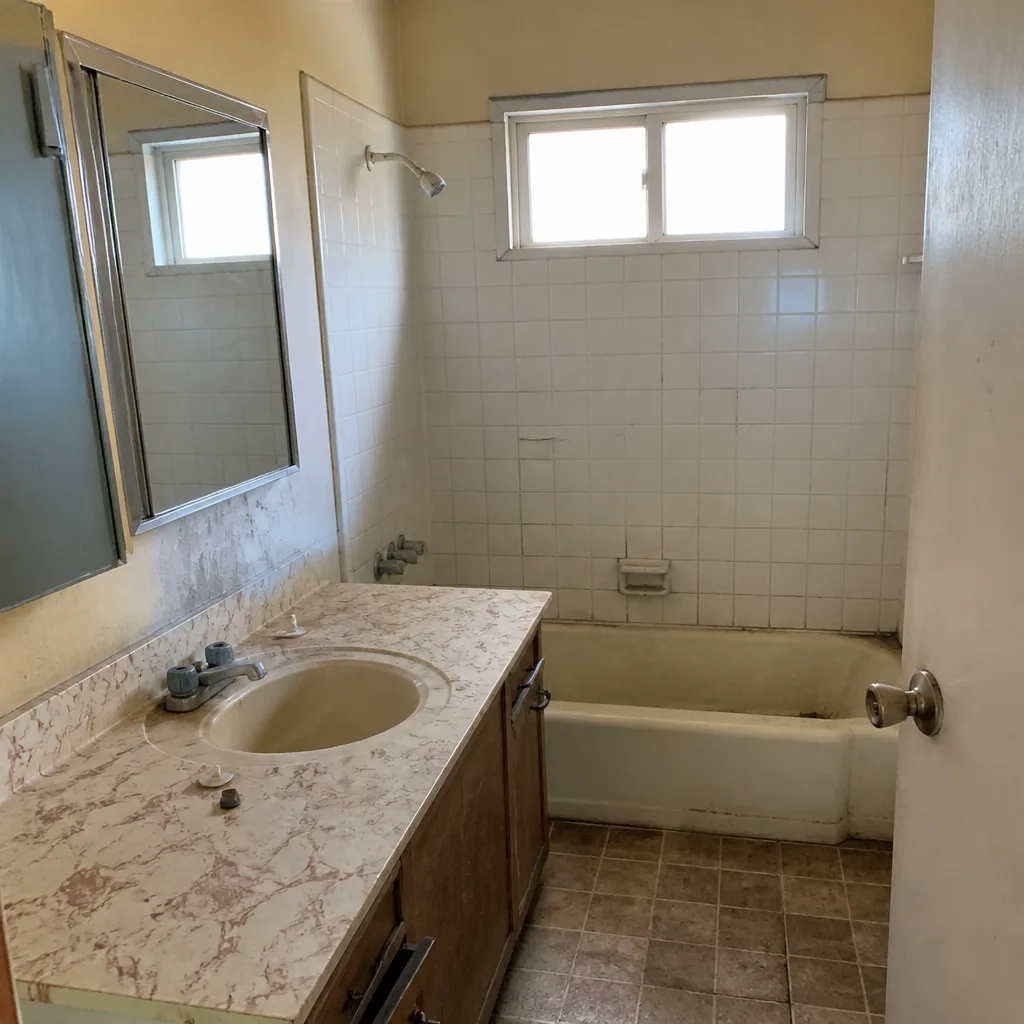
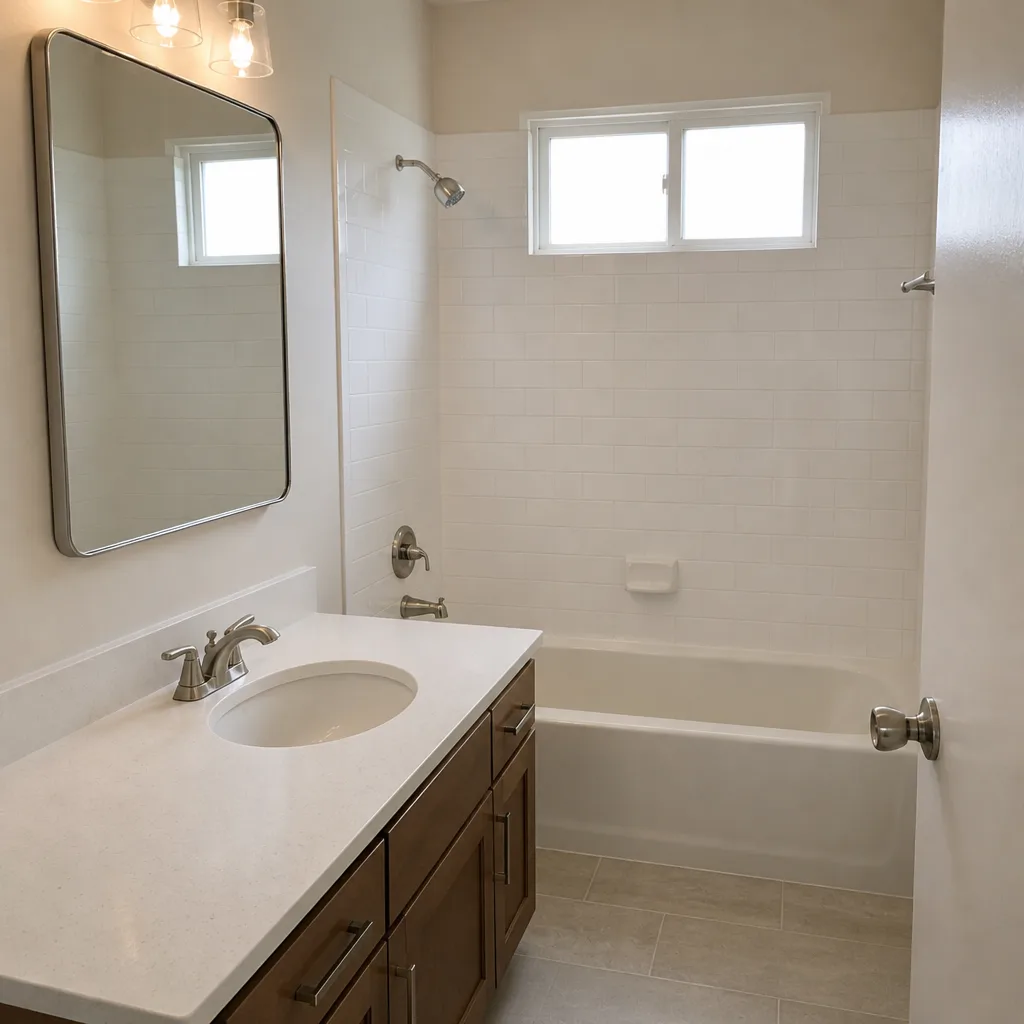
Kitchens and bathrooms. Interior projects are seasonal only in the sense that they’re easier to plan when exterior work is already scheduled. Spring and fall are the natural windows, because the light is good for finish work and the dry season gives you reliable scheduling.
ADUs and additions. Plan in winter, design and permit in spring, build through the dry months. A Westminster ADU project has fewer weather delays if construction starts in late spring or early summer. It also takes longer than most homeowners expect, so starting in the right season matters. Our guide on home additions & ADU work covers how the phases typically fit together.
If you’re planning to work on several areas in one year – and a lot of Westminster homeowners are – one contractor can sequence the work around the seasons. That’s the practical argument for a full-envelope approach: roofing, fencing, driveways, and window work all follow the same calendar, and coordinating them with a single contract is simpler than stitching together specialty vendors.
Common Mistakes to Avoid
- Treating seasonal maintenance like a project, not a habit. One big fall walkthrough feels productive, but it misses the small shifts between seasons. The homeowners who avoid big repairs are the ones who check things twice a year, not the ones who do a heroic clean-out every third year.
- Waiting for visible damage. In a dry climate, the earliest signs of roof wear are in the gutter, not on the roof. Granules in the downspout, a few curled shingles, a hint of chalk on your hand – those are the signals. Waiting for a stain on the ceiling means the damage is already inside.
- Skipping the caulking. Caulk joints around windows, doors, and trim are the cheapest thing to maintain and the most expensive thing to ignore. Once moisture gets behind the wall assembly, the repair goes well past the cost of a tube of caulk.
- Letting the marine layer win on the north side. Westminster’s shaded elevations stay damp longer, and that’s where stucco staining, mildew, and wood rot show up first. If you’re only inspecting the sunny side of the house, you’re checking half the problem.
- Sealing concrete without checking the forecast. Sealer needs a clean, dry surface and a window of stable weather after application. Westminister’s spring is usually forgiving, but a sealer applied too close to a late rain event often fails, and you end up paying for the work twice.
- Planning exterior painting in the wrong season. Painting in the middle of the marine layer or in the heat of August costs more and lasts less. Spring is a better window, and scheduling it six weeks out gives you more flexibility than calling during the first dry spell.
- Skipping the log. If you don’t write down what you saw and when, you’ll be guessing in two years. The record is the whole point – it turns a walkthrough into a plan and a plan into a schedule.
See the difference
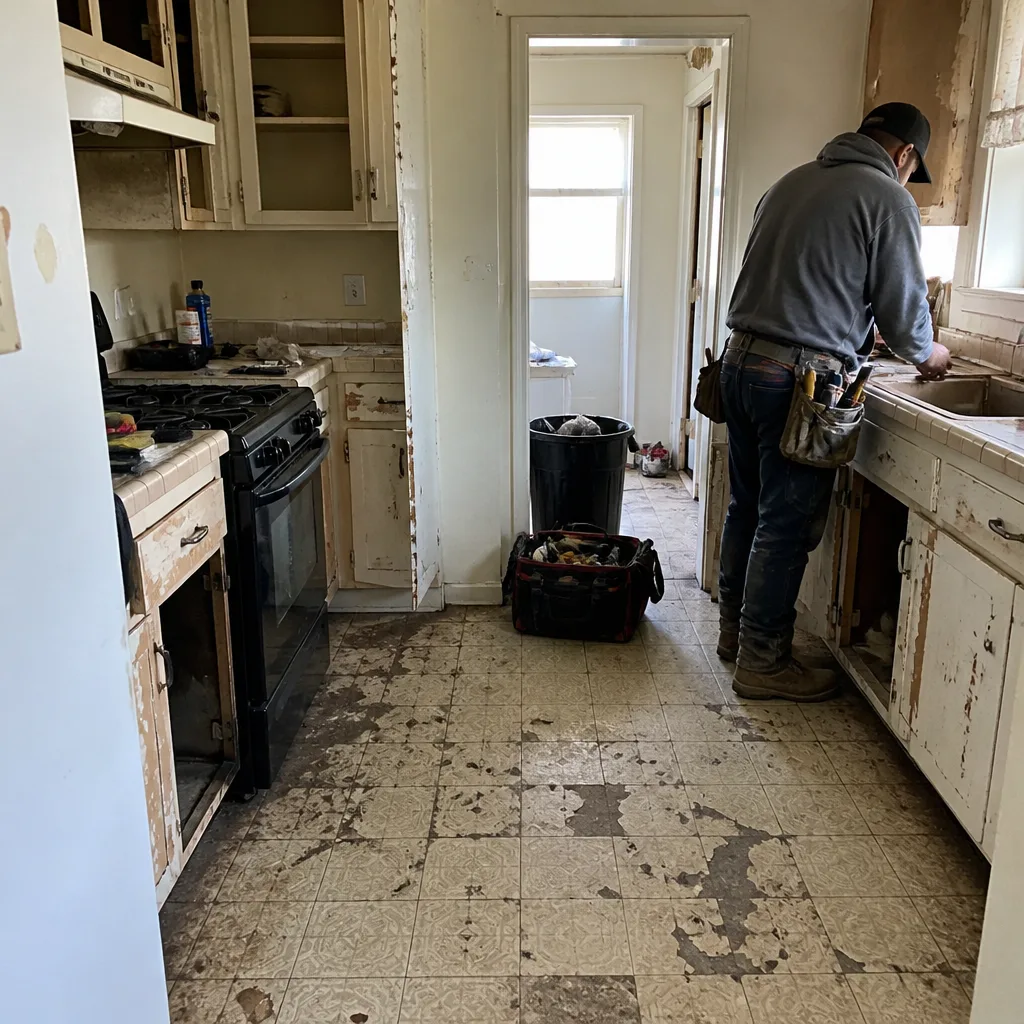 Before
 After
 Before
 After
 Before
 After
When to Call a Professional
Some seasonal care is a homeowner’s job: clearing gutters, checking caulk, walking the property, keeping the log. Other situations call for a trained professional, and it’s worth knowing where that line is. If your inspection turns up missing shingles, flashing that has pulled away, a soft spot on the roof deck, or water stains on the underside of the sheathing, that’s a roofing inspection. If your fence posts are wobbling, a section is leaning, or you’re seeing rot at the base, that’s a fencing conversation. Driveway cracks that have widened, pavers that have shifted, or drainage that pools toward the foundation all call for a hardscape review. Window seals that have fogged, doors that no longer close cleanly, or stucco cracks near openings are also worth a professional look.
Denali Contractors offers free estimates in Westminster – call (833) 749-1562. The estimate is free, the price is set per job by the written estimate, and we can put a line-item quote in front of you before any work starts.
Frequently Asked Questions
October and November are the highest-leverage months. The rainy window typically runs December through March, and the storms that come are short and intense, so getting the roof, gutters, and drainage inspected in the fall gives you time to fix problems before the rain tests them. Call (833) 749-1562 for a free estimate if your pre-rain inspection turns up anything you’re not sure about.
Yes, and it’s easy to underestimate. Months of steady sun and almost no rain dry out shingles, paint, sealers, and wood. Then the rain arrives in concentrated bursts and stresses surfaces that haven’t been tested all year. The damage is cumulative, which is why it gets skipped – nothing feels urgent until it does.
Look at the base of every post, the shaded side of the fence line, and the bottom edge of each panel. Marine layer humidity keeps wood damp overnight and dries it during the day, and that cycle warms wood up over time. If posts are wobbling or the base is soft, schedule a fence inspection before the next rainy season.
Spring is usually the better window because temperatures are mild and the marine layer has settled into a predictable rhythm. Fall can work after the heat breaks, but you need a reliable dry window before the rainy season starts. Call (833) 749-1562 to schedule a free estimate and we’ll help you pick the right window.
Cracks that have widened through the dry season, pavers that have shifted visibly, and low spots where water pools all point to a problem worth reviewing. Small fixes in fall are far cheaper than a rebuild after a wet winter. A driveway & pavers assessment in October is the right time to plan the work.
No – the written estimate sets the final price. We put together a line-item quote before work begins, and that’s what the job costs. If you want a clear number for roofing, fencing, driveways, windows, or a larger project, call (833) 749-1562 for a free estimate.
The Bottom Line
Westminster’s climate doesn’t force maintenance on you the way a place with snow and a wet spring does. That’s the trap. The dry months hide the wear, the rain arrives concentrated, and the marine layer does its quiet work on wood and caulk in between. The fix is a simple calendar: post-summer inspection in late September, pre-rain repairs in October, a post-rain walkthrough in spring, and exterior projects scheduled in April and May. Keep a log. Check the gutters, the caulk, the fence posts, and the shaded side of the house twice a year. From the driveway to the roofline, one contractor can sequence the work around the seasons and give you a written estimate before anything starts.
Denali Contractors works with the brands you already trust across roofing, windows, kitchens, bathrooms, pavers, fencing, and ADU systems, and we handle the full envelope of a home under one contract. Call (833) 749-1562 to schedule your free estimate. We answer 24/7. Fast dispatch from 7am to 7pm, Sunday through Friday.
Written by the team at Denali Contractors.