
Last updated November 17, 2026
 Kitchen remodeling
 Bathroom remodeling
 Home additions & ADU
 Roofing
 Windows & doors
 Driveway & pavers
 Fence
Free written scope consultation - allowances, timeline, and change-order rules on paper before a single trade is scheduled
How to Hire a Construction Contractor in Westminster: A Step-by-Step Guide
Most Westminster homeowners approach hiring backwards. They call three contractors, collect three bids, and pick the middle number, believing they’ve done their due diligence. But construction isn’t a commodity purchase. Two bids on the same project can differ by tens of thousands of dollars not because one contractor is overcharging, but because they’re pricing entirely different scopes of work. The middle bid tells you nothing if the three contractors interpreted your project three different ways. This guide flips the sequence: define the scope, learn what licensing actually verifies, then screen the field. By the end, you’ll know how to compare bids that are genuinely comparable, what California’s contractor license lookup does and doesn’t reveal, and why a full-service contractor changes the math on multi-scope projects in Westminster.
Quick Answer
Hiring a construction contractor in Westminster means defining your scope in writing before you request any bids, verifying the contractor’s California license through the CSLB, confirming insurance and workers’ compensation coverage, reviewing a sample contract and change-order policy, and checking references from similar local projects. The right sequence matters more than the number of bids you collect.
Styles & brands we work with
- Kitchen remodeling
- Bathroom remodeling
- Home additions & ADU
- Roofing
- Windows & doors
- Driveway & pavers
- Fence
Table of Contents
- Why Scope Definition Comes Before Bidding
- What the CSLB Lookup Tells You (and What It Doesn’t)
- Red Flags Specific to California Residential Contractors
- Full-Service Contractor vs. Assembling Specialists
- Questions to Ask Before You Sign
- The Contract, Payment Schedule, and Lien Waivers
- What’s Different About Building in Westminster
- Common Mistakes to Avoid
Why Scope Definition Comes Before Bidding
The single most important step in hiring a contractor happens before you call anyone. It’s writing down exactly what you want built, changed, or repaired, in enough detail that a contractor can price it. Skip this and every bid you receive is a guess dressed up as a number.
Here’s why it matters so much. When a homeowner says “remodel my bathroom,” one contractor hears a cosmetic refresh: new vanity, tile, fixtures. Another hears a full gut with relocated plumbing and a reworked floor plan. Both write bids. Both bids look professional. But you’re comparing a $12,000 job to a $45,000 job, and the numbers are meaningless side by side.
A written scope should cover:
- Exact boundaries of the work. Which rooms, which exterior areas, which structures. “Bathroom” is not a boundary. “Hall bathroom, roughly 8 by 10 feet, full replacement of tub, tile surround, vanity, and flooring” is.
- What’s staying and what’s going. If the cabinets are being reused, say so. If the tub is cast iron and needs hauling out, say that too.
- Material expectations. Builder-grade or premium? You don’t need to pick brands yet, but a contractor needs to know whether to price a stock vanity or a custom one.
- Structural or mechanical changes. Moving a wall, relocating a drain, adding a window, upgrading an electrical panel. These change the permit picture and the price significantly.
- Who handles permits. In most Westminster projects, the contractor should pull the permits. Put that expectation in writing.
Having worked across Denali Contractors project types that range from a driveway pad to a kitchen gut, we’ve seen how much variation lives inside a single project description. The homeowners who get clean, comparable bids are the ones who spent an hour putting their scope in writing first.
A well-defined scope does three things: it lets contractors bid the same job, it surfaces questions you didn’t know to answer, and it protects you later when someone claims a given task “wasn’t included.”
What the CSLB Lookup Tells You (and What It Doesn’t)
The Contractors State License Board (CSLB) runs a public license lookup at cslb.ca.gov. Every homeowner in California should use it, but it’s important to understand what you’re actually verifying and what remains a question mark.
What the CSLB lookup confirms:
- Whether the license is active or expired, suspended, or revoked.
- The license classification. A general building contractor holds a B license. Specialty trades hold C-classifications. For a whole-home or multi-trade project, the classification matters because a B-license holder can take on work across multiple trades under one contract.
- Whether there’s a bond on file. California requires contractors to carry a contractor’s bond as a condition of licensure.
- Whether the CSLB has recorded complaints, citations, or disciplinary actions against the license.
- The name on the license. This tells you who’s legally accountable, and whether the person at your kitchen table matches the license holder.
What the CSLB lookup doesn’t tell you:
- Whether the contractor’s actual work is good. A clean record and quality craftsmanship are two separate questions.
- Whether the crew that shows up on your job is competent, or whether the licensed principal is spread thin across multiple jobs.
- Whether the contractor has experience with your specific project type. A licensed B contractor may have built twenty ADUs and zero kitchens, or the reverse.
- Whether their subcontractors are properly insured.
That’s where local references come in. In Westminster, a contractor’s reputation lives in the neighborhoods where they’ve worked: Little Saigon, Westminster Village, the streets around Sigler Park, the older single-family homes near the Civic Center. Ask for references from projects like yours, in the area, and actually call them. Ask what the reference would change about the experience if they could. That one question tells you more than any online review.
Red Flags Specific to California Residential Contractors
Every trade has words that should make your ears prick up. In California residential construction, here are the ones we’d flag hardest.
No written change order process
Change orders are normal. A wall opens up and reveals old galvanized plumbing; the homeowner decides mid-project to add a window. Real contractors price those changes in writing, signed by both parties, before the work proceeds. If a contractor can’t show you a change order template or describes change orders as “we’ll work it out,” walk away. Unwritten changes are how budgets spiral.
No lien waiver process
California’s mechanics’ lien rules protect contractors, subcontractors, and suppliers who go unpaid. If a general contractor collects your payments but doesn’t pay their subs, those subs can file a lien against your property, sometimes after you’ve moved back in. A professional operation uses conditional and unconditional lien waivers tied to each payment. Ask to see how they handle them.
Payment schedules front-loaded past 10%
California law limits a down payment on a home improvement contract to 10% of the contract price or $1,000, whichever is less, and prohibits collecting more than the value of work completed at any point. A contractor who asks for 20%, 30%, or 50% up front isn’t just aggressive, they’re out of step with the law and putting your money at risk. Payment should track progress: a modest deposit, then payments tied to completed, inspected milestones.
Pressure to skip permits
Permits exist for a reason. An unpermitted addition, ADU, or structural remodel can complicate a future sale, trigger a code enforcement issue, and void insurance coverage for related damage. In Westminster, the city’s building department reviews plans and inspects completed work for a reason. A contractor who shrugs off permitting as an annoyance is telling you how they operate.
No verifiable subcontractor insurance
Many contractors bring in subs for electrical, plumbing, and HVAC work. Those subs should carry their own liability insurance and workers’ comp. Ask for current certificates. A general contractor with no process for collecting them is transferring that risk to you.
Full-Service Contractor vs. Assembling Specialists
Here’s where a lot of homeowners in Westminster leave money and time on the table. For a project with multiple scopes, like a kitchen remodel plus a new roof plus a paver driveway, the instinct is to hire a specialist for each trade. Sometimes that’s the right call. Often it isn’t.
When you hire separately, you become the project manager. You’re scheduling the roofer around the window installer, coordinating the kitchen contractor’s timeline with the paver crew, and fielding the finger-pointing when something goes wrong. You’re also absorbing every one of those companies’ overhead and margin as a separate line item in your budget.
A full-service contractor spreads the overhead of scheduling, project management, permits, and quality control across the whole scope. The math usually favors the single contractor for two reasons:
- Shared overhead. One contract, one project management layer, one insurance certificate to verify. That’s less administrative cost baked into your price.
- Better sequencing. Exterior work and interior work have real dependencies. Roofing before solar, rough plumbing before tile, windows before siding trim. A single contractor plans the order; separate contractors negotiate it.
Where specialists still win is on pure technical depth. If your project is a highly specialized structural retrofit or a one-trade job, a specialist may be the better value. But for projects spanning multiple trades, one contractor, every corner of your home, is usually the cleaner arrangement.
Our own approach at Denali Contractors reflects this: seven project categories handled under one relationship. If you’re doing a whole-property overhaul, from the driveway & pavers through the roof and into the kitchen, you’re managing one point of accountability instead of four.
Questions to Ask Before You Sign
Screening a contractor is about finding out how they actually run a job. Here’s the list we’d bring to the first meeting.
- Who is on-site day to day? Is it the licensed principal, a dedicated foreman, or a rotating crew? How often will the person running the job check in with you?
- Do you use subcontractors, and for what? Most general contractors do. The real question is how they vet them and who’s responsible for subpar work.
- Can I see current certificates of insurance? Ask for general liability and workers’ compensation for the general contractor, plus certificates for any subs.
- Who pulls the permit? The answer should be the contractor, and the permit should be posted on the job.
- What does your change order process look like? You want a written, signed process. Ask for an example.
- How do you handle lien waivers? If they don’t know what you’re asking, that’s a problem.
- Can I have three references from projects similar to mine? Similar scope, ideally in Westminster or nearby. Call all three.
- Who’s the point of contact if there’s an issue? You want a name and a phone number, not a project email inbox.
- What’s the warranty on the work? Ask specifically about workmanship warranty versus manufacturer warranty. The two are different.
- What’s the realistic timeline, and what would push it out? A contractor who gives you one date with no acknowledgment of the variables isn’t being straight with you.
Notice what’s not on this list: “What’s your lowest price?” That question is answered by your scope, not by the contractor.
The Contract, Payment Schedule, and Lien Waivers
For projects above $500, California requires a written home improvement contract with specific disclosures. What a good contract actually includes goes beyond the legal minimums.
Look for these contract elements:
- A detailed scope of work, itemized enough that it doubles as a checklist.
- The payment schedule tied to milestones or completed work, not just calendar dates.
- A stated down payment within the legal 10% or $1,000 cap.
- Change order procedures, in writing.
- A three-day right to cancel (required for home solicitation contracts in California).
- Warranty language separating workmanship from manufacturer warranties.
- Permit responsibility explicitly assigned to the contractor.
- Cleanup and debris removal responsibilities.
- A disclosure that the contractor is licensed, with the license number shown.
The payment schedule is where homeowners get hurt. A responsible schedule looks something like: a small deposit at signing, a progress payment when framing or rough-in is complete, another when tile or finish materials go in, and final payment on substantial completion after the final inspection. Every payment should be tied to work you can see and verify. And every payment should come with a conditional lien waiver from the contractor and their subs, releasing their lien rights for that amount once the check clears.
If a contractor proposes a payment schedule that puts most of the money up front, or resists putting the change order process in the contract, you have your answer about how the job will go.
What’s Different About Building in Westminster
Westminster has its own rhythm, and the contractors who work here know it. The city has a mix of housing stock: mid-century single-family homes built in the decades after World War II, a large stock of tract housing, and a substantial number of properties that have been remodeled or added to over the years. That mix affects what a typical job looks like.
Older Westminster homes often have original electrical, original plumbing, and sometimes unpermitted past additions that show up on inspection. Contractors who work here regularly learn to expect those surprises, plan for the contingencies, and quote accordingly. A contractor from outside the area might price the visible scope and then hand you a change order the first week.
The climate is mild by most of the country’s standards. Winters are gentle and summers are warm, which means exteriors take less seasonal beating than in harsher climates, and outdoor projects are workable for more of the year. That’s a real advantage when your project spans both exterior and interior work: a fence installation can proceed alongside a bathroom remodel without colliding over weather windows.
Westminster’s ADU rules have also changed over recent years in line with state law. Homeowners pursuing an home additions & ADU should confirm current local requirements and setback rules with the city’s planning department before committing to a design, and the contractor you hire should be familiar with submitting plans in this jurisdiction. The type of ADU you choose matters too: a stick-built addition gives you site-specific design flexibility, while a prefab or modular system (Abodu, Dvele, Mighty Buildings, Boxabl, among others) can shorten the build timeline and simplify the permit path. A contractor who can walk you through both puts you in a stronger position.
Building in Westminster also means building near neighbors, often on narrow lots. Site access, parking, and material delivery logistics are real planning concerns. A contractor who asks about them before signing is a contractor who’s thought about your job site.
Common Mistakes to Avoid
- Soliciting bids without a written scope. You’ll get a pile of numbers that can’t be compared. Write the scope first, share it with every bidder, and ask them to price the same job.
- Choosing on price alone. The cheapest bid on the same scope usually signals either a scope gap, an unlicensed operator cutting corners, or a contractor who plans to sell you change orders after the contract is signed.
- Skipping the license lookup. Five minutes on the CSLB site tells you whether the contractor is licensed, whether the bond is current, and whether there’s any disciplinary history. It’s not the whole story, but it’s a non-negotiable first step.
- Not verifying subcontractor insurance. Your contractor’s own insurance won’t necessarily cover a sub who gets hurt on your property. Ask for certificates and follow up if they’re expiring mid-project.
- Accepting a front-loaded payment schedule. California puts legal limits on down payments for a reason. If a contractor asks for more than 10% up front, that’s a serious red flag, not a “how it’s done” in this business.
- Choosing a specialist when you need a general contractor. If your project touches three or more trades, hiring a specialist for each one puts the coordination burden on you. Evaluate whether one full-scope contractor is actually cheaper before you go that route.
- Not asking for change order and lien waiver process up front. These are the two areas where money gets lost. Ask for the process in writing before the first check.
When to Call a Professional
Some projects are DIY-friendly. Others absolutely aren’t, even for the handy homeowner. Call a licensed professional when the scope touches structural elements, electrical service or panel work, gas lines, plumbing rough-in, roofing, or any project that requires a permit. All of those have real safety and code consequences, and mistakes are expensive to undo.
Call us too when the project is multi-trade and you’d rather not manage the sequencing yourself. If the roof needs replacing and the kitchen needs a gut and the driveway needs repaving, one contract beats three. Our technicians have up to 9 years of experience across the seven project categories we handle, and we work with over 50 vetted manufacturer brands so you can choose your materials, we handle the rest.
Denali Contractors offers free estimates in Westminster. Call (833) 749-1562. We answer 24/7. Fast dispatch from 7am to 7pm, Sunday through Friday.
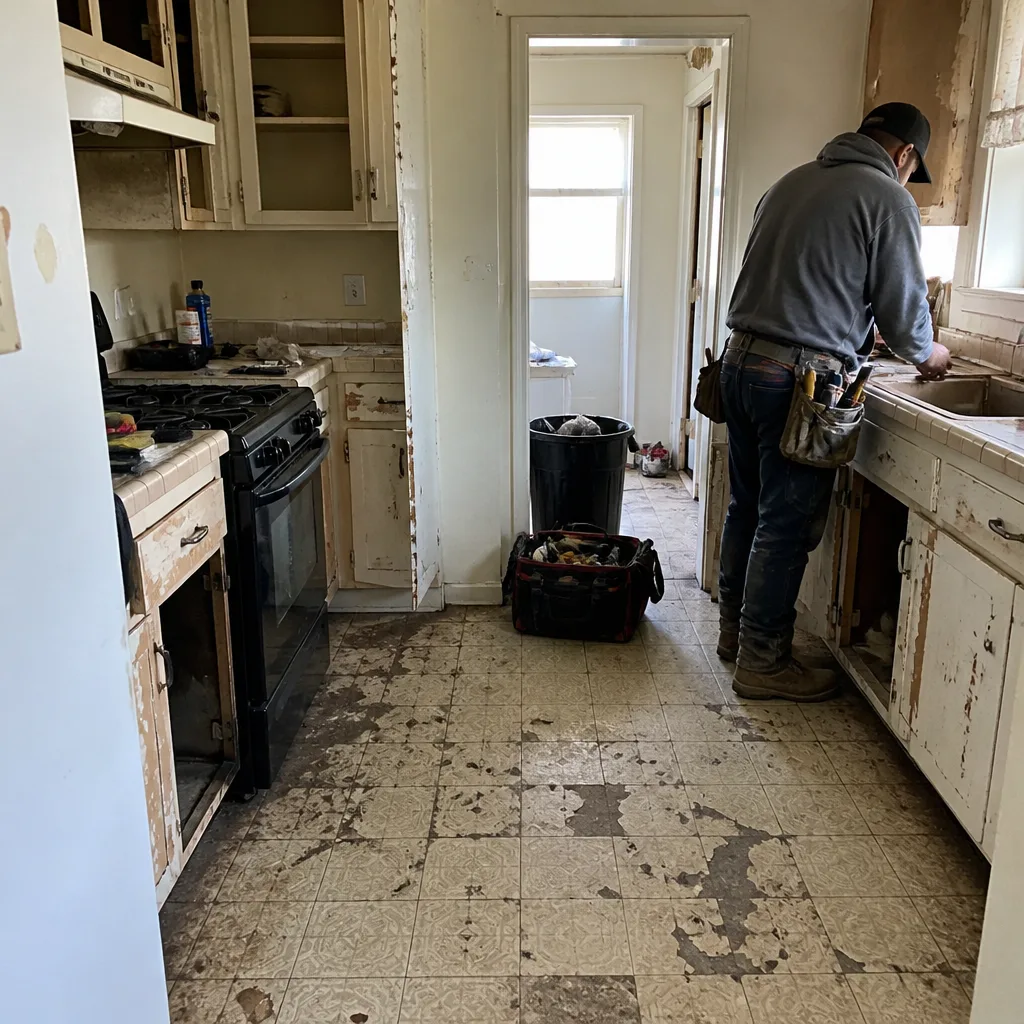
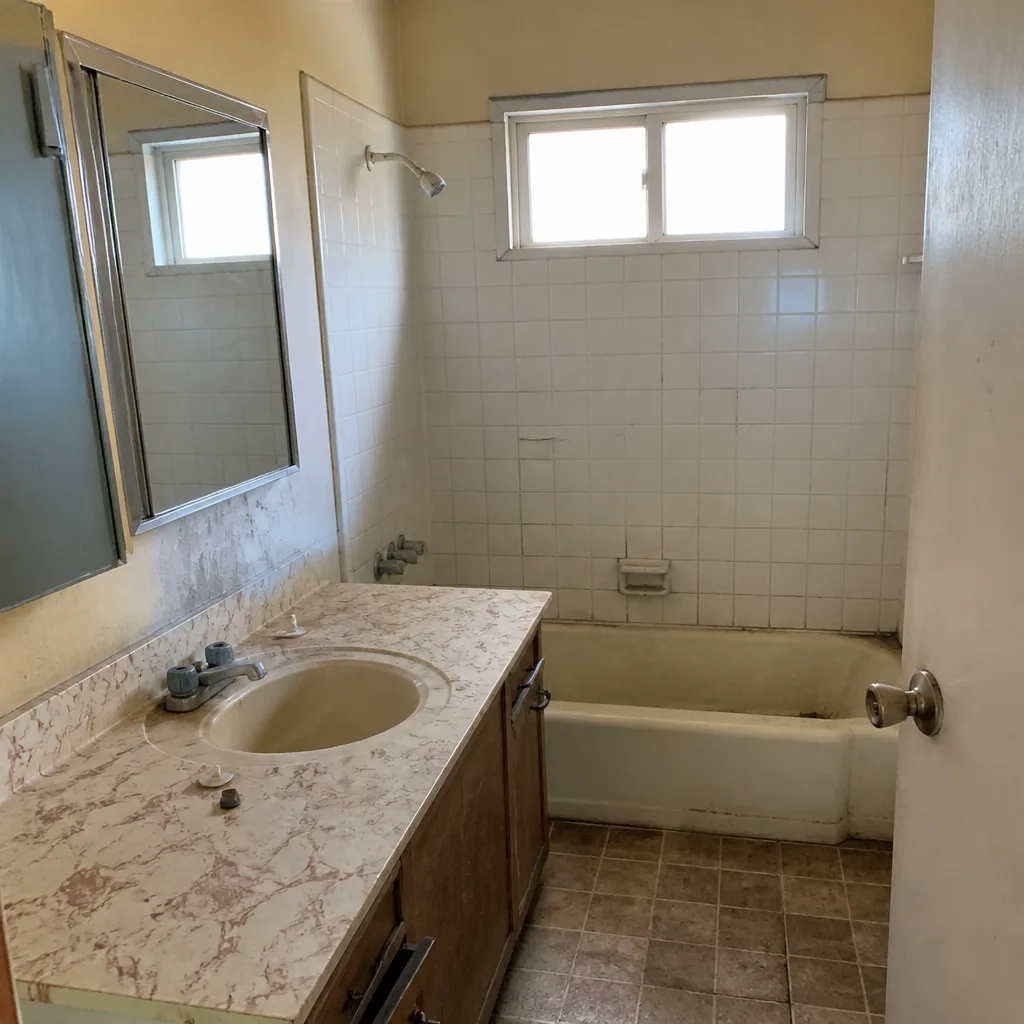
See the difference
 Before
 After
 Before
 After
 Before
 After
Frequently Asked Questions
Yes, for any work requiring a permit or over $500 in labor and materials in California. Most remodels, additions, roof replacements, and window installations fall into this category. Check every contractor’s license at cslb.ca.gov before hiring.
Three bids is standard, but only if all three are pricing the same written scope. Two bids on a clear scope tell you more than five bids on a vague one. Don’t collect bids until your scope is documented.
A general building contractor (B license) can take on projects spanning multiple trades under one contract. Specialty contractors hold a C-classification for one specific trade. For a multi-scope project, a B-license holder can serve as the single point of accountability.
Ask for current certificates of general liability and workers’ compensation coverage. Contact the insurance carrier directly to confirm the policy is active. For subcontractors, ask the general contractor for their certificates as well.
No. California limits a home improvement contract down payment to the lesser of 10% of the contract price or $1,000. Subsequent payments must be tied to the value of work completed. A payment schedule that doesn’t track progress is a red flag.
It depends on scope. A bathroom remodel typically runs several weeks; a kitchen longer; an ADU or addition several months. Ask your contractor to break the timeline down by phase and to explain what would push the completion date.
The Bottom Line
Hiring a construction contractor in Westminster isn’t about generating the most bids or picking the middle number. It’s about sequencing the work correctly: write your scope, verify the license through the CSLB, screen for California-specific red flags, check insurance and subcontractor arrangements, and review the contract, payment schedule, and lien waiver process before you sign. The right order protects your budget and gives you the confidence that the contractor on your project is running a real operation. Whether you’re choosing bathroom and kitchen work, exterior projects like fencing and pavers in a Therma-Tru or Barrette-grade finish, or an ADU, the vetting process is the same. And if you want a single contractor to handle the whole scope, from the driveway to the roofline, we’re built for that.
Call Denali Contractors at (833) 749-1562 for a free estimate. We answer 24/7. Fast dispatch from 7am to 7pm, Sunday through Friday.
Written by the team at Denali Contractors.